
Film lookbook for AI films: the 6 parts, a template and a real example
A film lookbook is a director's set of references that settles a film's look before anything is shot: style, color, characters, places and key shots. In an AI film it has a second reader, the model. Its pictures become the reference images you attach to each shot, and its decisions become lines you paste into every prompt.
Featured film: Xenogenesis by Gertywood (Flick Residency)
Start your film's lookbook in Flick
Write your look line, make your first character sheet, then call it by name in a shot.
What is a film lookbook?
A film lookbook is the set of decisions about how a film looks, shown with pictures and short notes.
Gertywood puts it simply: "even in traditional filmmaking, you must have a lookbook as a director." You build it like research in a film library: "you pick visual styles, color, what this character looks like. And you find reference after reference after reference."
In an AI film, the lookbook is also what the model sees. In Xenogenesis (counted from the film's public workflow on Flick, 20 October 2026):
- One look line appears in 327 of the 420 video prompts. A look line is a sentence that describes the film's look, pasted into every prompt so each shot matches.
- Voice references appear in 175 of the 420.
- A "Forbidden" line, a list of things the shot must not show, appears in 209 of the 420.
What goes in a film lookbook
A film lookbook has six sections, each one a decision the model needs on every shot. Every example comes from the Xenogenesis canvas unless a different film is named.
1. The look line
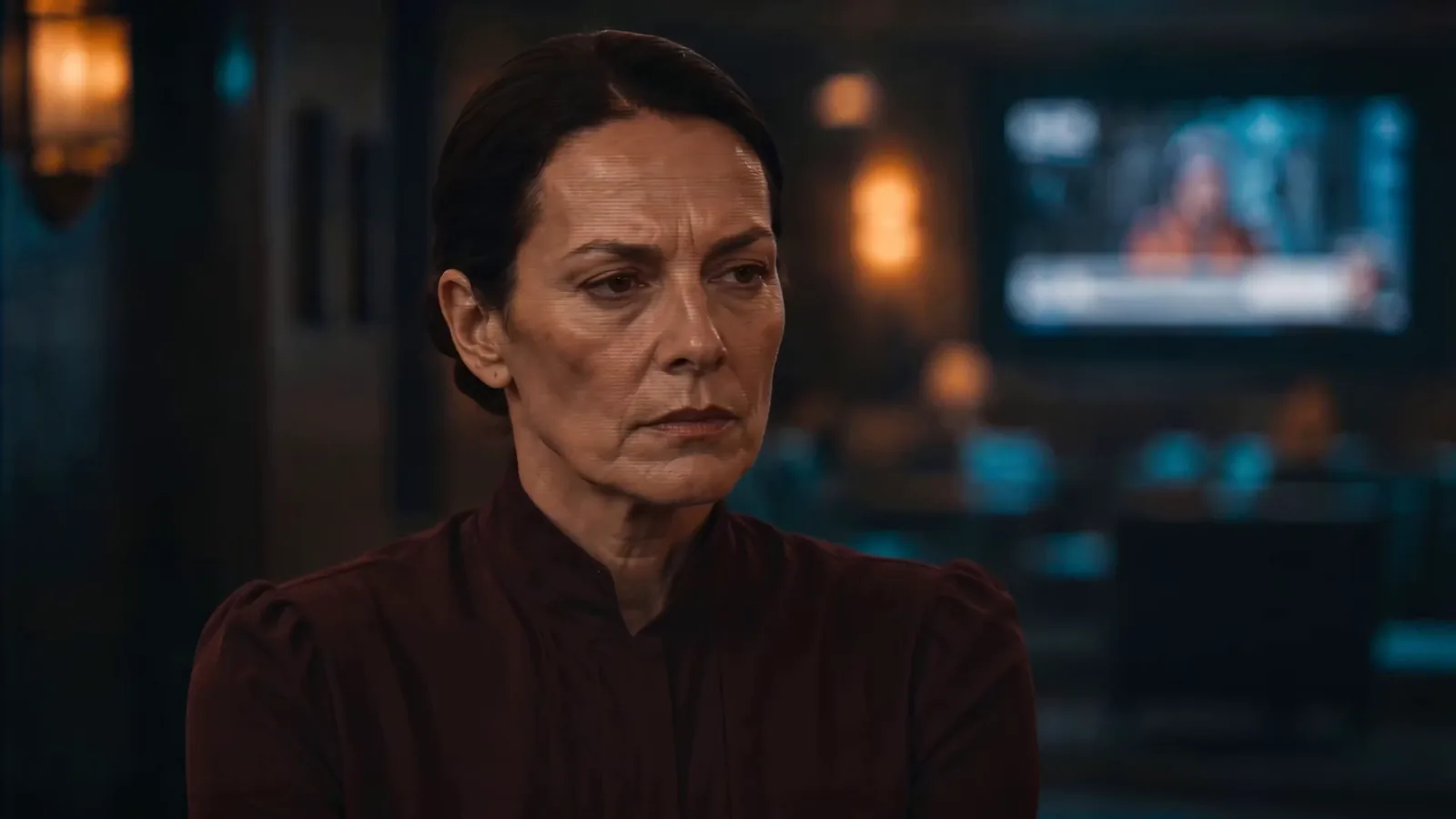
What it is
What it settles: The camera, lens, film stock and light that every shot shares.
Why it matters: Each generation starts from zero. The same words in every prompt give you the same look; new words give you a new look.
How to build it
Write the long version once: Gertywood's style doc opens with a base for all scenes: "Shot on ARRI Alexa Mini LF, Panavision anamorphic, Tiffen Black Pro-Mist 1/4." In the video prompts he pasted a shorter line instead.
Words that do the work: "35mm film emulation" sets the film look. "halation" (a soft glow around bright lights) and "bloom" soften the highlights. "hexagonal bokeh" shapes the out-of-focus lights.
Change the camera, keep the look: The words before the line change by scene: "handheld, shaky camera, cinéma vérité" in 88 of the 420 video prompts, "smooth and methodical camera movement" in 51. A director's name works too: "David Fincher" is in 47.
Model: Seedance 2.0 (reference to video)
Style: David Fincher … clinical, precise, methodical, voyeuristic. 35mm film emulation, halation, bloom, shallow depth of field with hexagonal bokeh.2. Color palette and grade
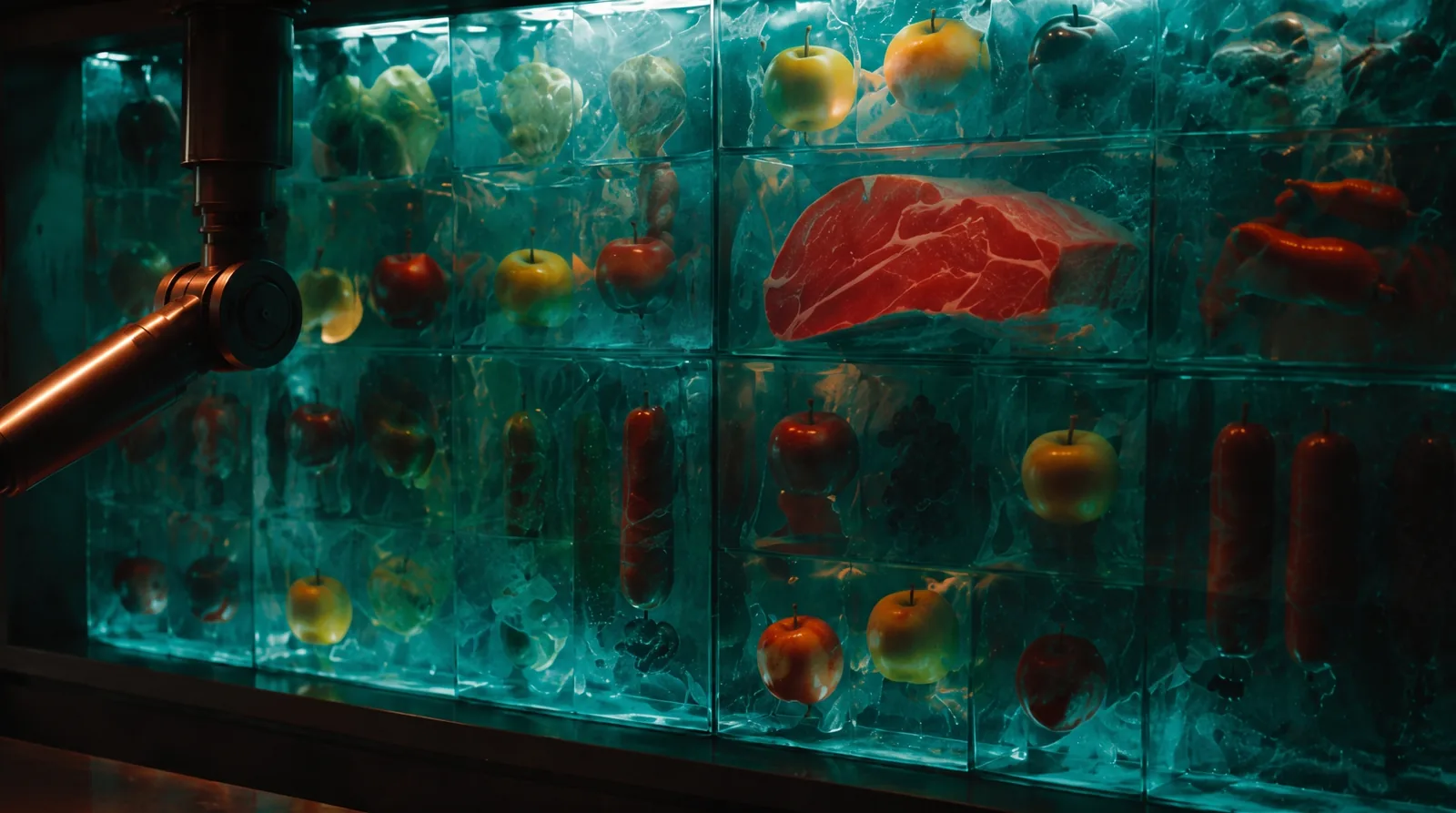
What it is
What it settles: Which colors lead, which stay small, and how shadows and skin look. That color treatment over the whole image is called the grade.
Why it matters: A change of grade tells the audience something changed. Xenogenesis has two: a cool grade for the human world, used by default, and a warm grade only for scenes with the alien, Lua.
How to build it
Name each grade and when it applies: Cool: "Deep teal and blue dominant shadow fill, face and subjects lit with cool blue as the key." Warm: "Deep amber and honey gold as the dominant tone."
Give the mix as a ratio: The Little Fox's Dream by Jaime Yao (Flick team) puts numbers on it, in the prompt below.
Keep one picture per grade: The Xenogenesis asset panel has a "STYLE REFS" group with three: "EXT. BLUE STYLE", "INT. BLUE STYLE" and "INT. LUA STYLE".
Model: Wan 2.5
…color mix ≈ 70% blue-teal, 30% warm gold; water splashes are soft and small. Do not change the fox model or palette.3. Characters
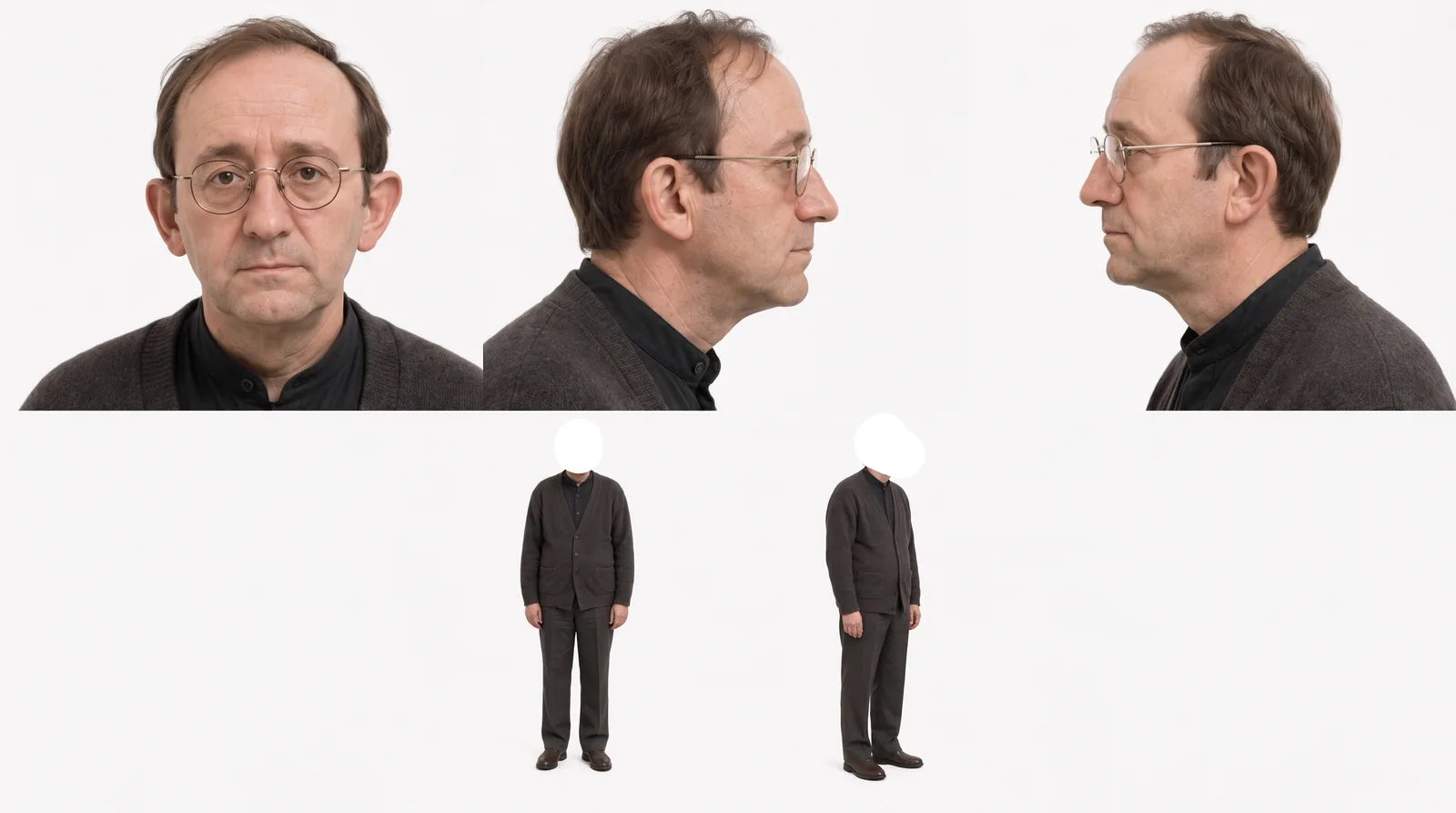
What it is
What it settles: What each character looks like and wears, in words and in one picture.
Why it matters: A picture pins down a face in a way words can't. A character sheet is that picture: one image of the same character from several angles on a plain background.
How to build it
Write a profile first: Describe what a model can draw: materials, fit and small details. From Dad's profile: "Round wire-frame glasses. … A heavy wool cardigan over it, worn like a second skin. … Probably wears a watch he's had for twenty years."
Then make the sheet: List the angles and keep the background and light plain, so only the character carries information.
Model: GPT Image 2
…Four angles on the same sheet: front view full body, side profile full body, three quarter view face closeup, and back view full body. Pure white background, flat even studio lighting, no shadows, …Watch for: Characters who change during the story. The lead in Xenogenesis has six sheets, named by how far into the story each one is, from "Cole 0%" to "Cole 100%", so every scene calls the right stage.
4. Locations
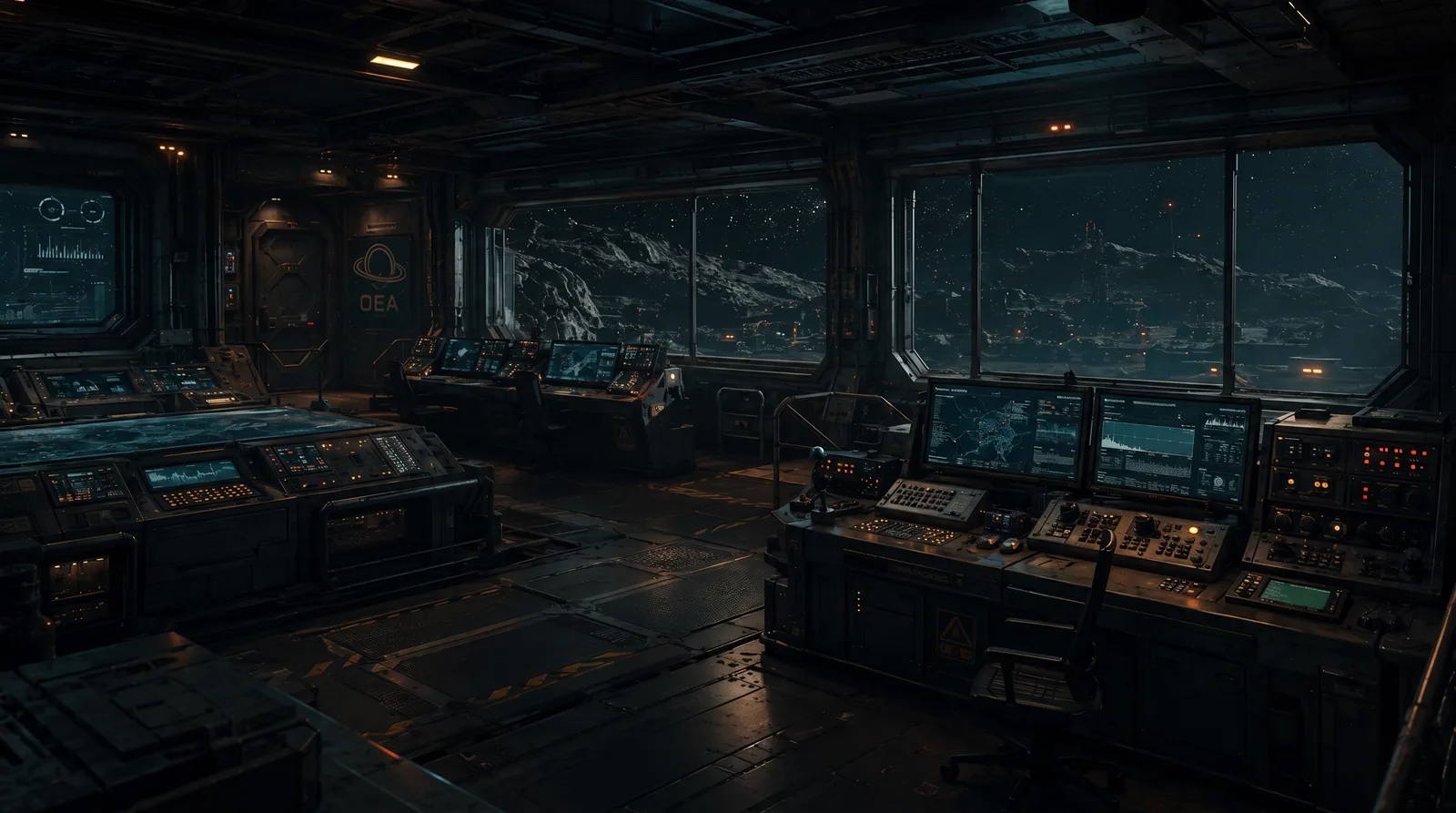
What it is
What it settles: Every place the story goes, as a plate: a picture of the location with nobody in it, used as the set or background of a shot.
Why it matters: Plates keep a room the same from shot to shot. Keep them empty so the people come from the character sheets, not from the plate.
How to build it
Start from a real place: In 'twixt Vows by Jaime Yao (Flick Residency) describes its land as one real place: "a late-autumn upland ridge in northern Britain near Hadrian’s Wall".
Name plates like scene headings: "EXT. Cole House" uses screenplay style (EXT. means exterior). It is called in 25 of the film's 437 prompts.
Say what the plate does in the shot: A background through a window and a full set are different jobs, so the prompt names the job.
Model: Seedance 2.0 (reference to video)
use @EXT. Cole House as the background through the windows of the car.
Use @REGRADE Avery Car interior as the visual reference for the car interior.
5. Voices
What it is
What it settles: How each character sounds: accent, pitch and attitude.
Why it matters: The video model makes the dialogue too, so voice belongs in the lookbook. A voice reference gives the model one sound to match, the way a sheet gives it one face.
How to build it
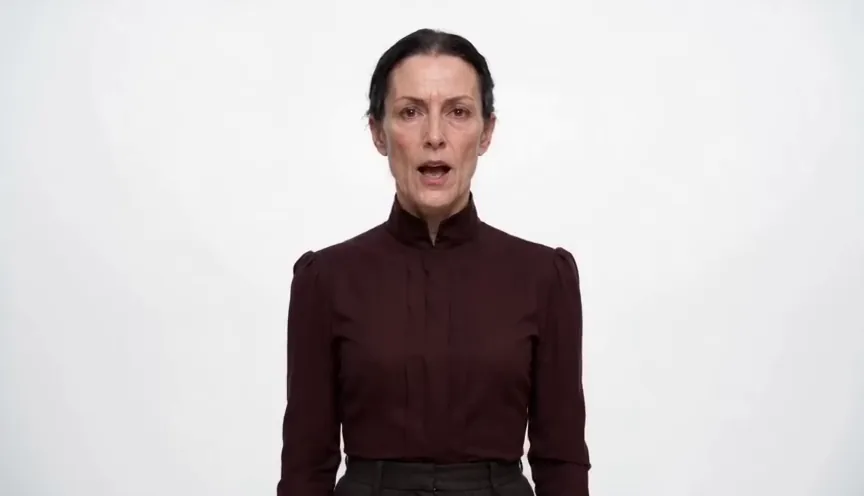
Cast with a screen test: A screen test is a short clip of an actor before casting. Here it is a 4 second clip of the character saying one line to camera, in a plain room.
Keep one voice clip per character: The canvas has 10, called by name: "use @Mom Voice as reference for what mom's voice sounds like." Cole's Voice alone is in 143 of the film's 437 prompts.
Model: Seedance 2.0 (reference to video)
use @Mom Character Sheet Final as the woman. forbidden: white blobs over the character's face.
medium shot: The woman is in a studio with a white backdrop, looking directly at camera. She says, with a stern American corporate voice, "hi my name is mom and this is my voice."
Style: Hollywood screen test.
Camera: Locked off static.
Audio: No music. No sound effects. Woman's voice is captured naturally as if in a room with the appropriate reverb.
Watch for: Leaving it all to the clip. Gertywood also describes voices in words: "with a stern American corporate voice", "with a commanding gruff voice".
6. What you don't want

What it is
What it settles: The mistakes you have already seen and won't accept again.
Why it matters: Gertywood: "I don't really know all the 100% of the time of what I want. But you know what I do know? I know what I don't want." Every failed take tells you one more thing to rule out.
How to build it
Turn each failed take into a rule: Several of his sheets cover the faces on the full-body views with white discs. That is the likely source of his most common rule. 134 of the 420 video prompts carry exactly "Forbidden: no white blobs on the character's faces."
Keep one line, and add to it: One "Forbidden:" line per prompt. When a new problem shows up, add it to that line: "slow motion", "morphing walls".
Used in: 11 of the 420 video prompts, word for word
Forbidden: no white blobs on the character's faces. no hand-drawn art style. no drifting of eye color.Already have sheets and plates? Turn them into a shot with Flick's reference to video tool.
How to make a film lookbook
You make a film lookbook by deciding the look first, collecting references by section and turning each decision into one named file.
- Decide the look before the first shot. Flick's docs say it plainly: "Choose the style before the first shot." Write your look line first, even a rough one.
- Collect references by section, not in one pile. One folder or canvas group each for look, color, characters, places and voices. Flickpedia visual styles has 900+ curated styles to start from, and Classic Film Scenes lets you add a film still to your project's lookbook.
- Rule things out. Gertywood's advice is to talk to the agent, an AI chat assistant, not so it decides for you, but as someone to bounce ideas off. Reject what's wrong until what's left is what you want.
- Make one file per decision. A sheet per character, a plate per location, a clip per voice, a picture per grade, an image per key prop. Xenogenesis keeps one for Dad's phone, called in 33 of the film's 437 prompts.
- Name each file the way you'll call it. "Mom Character Sheet Final" and "EXT. Cole House" read clearly inside a prompt. "image_042" doesn't.
- Write the words down next to the pictures. A style doc with your look line and grades, plus a short profile per character, as text notes on the same canvas.
- Pin a style if words aren't enough. In Flick, "Create My Style" builds a style from up to 5 of your reference images, and "Save as Style" turns your best frame into one (how styles work).
- Update it after every failed take. New rule, new line in the Forbidden list.
For a hands-on version of steps 2 and 6, try Flick Academy's Build your visual world.
How to prompt from a film lookbook
Call the lookbook first, then describe the shot, then repeat the look line, then the Forbidden line. In Flick you type @ to mention a connected reference, then say its job: "as the visual reference for", "as the background through the windows". Seedance 2.0 takes up to 9 reference images per shot, so attach only what the shot needs.
Here is the Xenogenesis dinner scene with the lookbook parts kept and the shot description trimmed:
Model: Seedance 2.0 (reference to video)
Use @Mom Character Sheet Final as the visual reference for Mom.
Use @Dad Character Sheet Final as the visual reference for Dad.
use @Mom Voice as reference for what mom's voice sounds like. use @Dad's Voice as reference for what Dad's voice sounds like. use @Dad's phone as the visual reference for the phone. …
Action: Shot 1 … close-up on Mom. She subtly shakes her head, a controlled expression of quiet disapproval, then turns her gaze to frame right with a very hard expectant look. …
Camera: static entire time. Style: David Fincher … clinical, precise, methodical, voyeuristic. 35mm film emulation, halation, bloom, shallow depth of field with hexagonal bokeh. Audio: no music, no score. the ambient clink of cutlery on plates, quiet dining room tone. …
Forbidden: no white blobs on the character's faces.
How the dinner prompt maps to the lookbook
| Part of the prompt | Lookbook section | What it tells the model |
|---|---|---|
| "Use @Mom Character Sheet Final as the visual reference for Mom." | Characters | Which picture is Mom |
| "use @Mom Voice as reference for what mom's voice sounds like." | Voices | Which clip is her voice |
| "use @Dad's phone as the visual reference for the phone." | Props | What the phone looks like |
| "Style: David Fincher … clinical, precise, methodical, voyeuristic." | Look line (camera part) | How the camera behaves in this scene |
| "35mm film emulation, halation, bloom, shallow depth of field with hexagonal bokeh." | Look line (fixed part) | The film look every shot shares |
| "Forbidden: no white blobs on the character's faces." | What you don't want | The mistake not to repeat |
Film lookbook template
A film lookbook template gives each decision one row, with an example and a blank for your film. Copy this table into your own doc or canvas and fill in the last column.
Film lookbook template with Xenogenesis examples
| Section | What to decide | Example from Xenogenesis | Your film |
|---|---|---|---|
| Look line | Camera, lens, film stock and light, in one sentence for every prompt | "35mm film emulation, halation, bloom, shallow depth of field with hexagonal bokeh." | |
| Camera by scene | How the camera moves in each kind of scene | "handheld, shaky camera, cinéma vérité" or "smooth and methodical camera movement" | |
| Palette and grade | Main colors, the grade and when each grade applies | Cool teal and blue by default; warm amber and honey gold for the alien's scenes | |
| Characters | A written profile and a sheet per character, one sheet per story stage if they change | 16 profiles; "Mom Character Sheet Final", "Cole 0%" to "Cole 100%" | |
| Locations | An empty plate per place, named like a scene heading | "EXT. Cole House", "Command Room" | |
| Props | A picture of every object the story needs to look the same | "Dad's phone" | |
| Voices | A voice clip per speaking character, plus a few words on how they sound | 10 voice clips; "a stern American corporate voice" | |
| Forbidden | What must never appear, added to after every failed take | "no white blobs on the character's faces. no hand-drawn art style. no drifting of eye color." |
Film lookbook example: Xenogenesis
Xenogenesis kept its lookbook on the Flick canvas next to the shots, never in a separate PDF. The lookbook holds a written style doc, 16 profiles, sheets, plates, voice clips and style pictures. 396 of the film's 437 prompts call at least one canvas file by name with @.
Ten Xenogenesis lookbook files and how many prompts call each
| Lookbook file | Section | Prompts that call it (of 437) |
|---|---|---|
| Cole Eyes | Characters (close-up) | 149 |
| Cole's Voice | Voices | 143 |
| Avery Character Profile (2) | Characters | 51 |
| Cole 20% (1) | Characters | 49 |
| Avery Voice | Voices | 45 |
| Dad's phone | Props | 33 |
| EXT. Cole House | Locations | 25 |
| Mom Voice | Voices | 25 |
| Command Room | Locations | 17 |
| Mom Character Sheet Final | Characters | 15 |
Counted from the film's public workflow on Flick, 20 October 2026.
The most-called file is not a full sheet but a close-up of the lead's eyes, used next to his sheets. When one detail keeps drifting, give it its own reference. Here that detail is eye color, which also shows up in his Forbidden line.
Film lookbook vs mood board
A mood board collects how a film should feel. A lookbook commits to how it will look.
- Mood board: loose, many images, often from other films and photos. It is where you explore.
- Lookbook: one decision per section, in your film's own pictures and words. It is what the crew, and in an AI film the model, works from.
Start with a mood board, then narrow it into a lookbook. In an AI film the lookbook is what you attach to shots, so keep only files you'd be happy to see copied into every frame.
Build your film's lookbook in Flick
Sign up, open a canvas and write the look line every prompt will share.
Every account gets 100 free credits when you sign up, and 100 more every Monday.
Create your free Flick account →
More on building a look
- Behind Xenogenesis Gertywood's interview on making the film.
- Build your visual world Flick Academy's lesson on a visual board that settles decisions you reuse across the film.
- Visual styles How to pin a style or save your own.
- Flickpedia Flick's library of visual styles and film scenes.
- Classic Film Scenes Study a film still's composition, lighting and camera angle.
- Reference to video Turn sheets, plates and voices into a shot.
About the author
Bilguun Bayarkhuu is a growth engineer at Flick. This guide is built from the Xenogenesis workflow and the filmmakers' own prompts.
Frequently Asked Questions
What is a lookbook in film?
A film lookbook is a set of pictures and short notes that shows how a film will look: its style, color, characters, locations and key shots. Directors make it before the shoot to pitch the film and to keep everyone working toward one look.
What is the purpose of a lookbook?
A lookbook turns taste into decisions. In live action it lines up producers and crew. In an AI film it also feeds the model: its character sheets, location plates and voice clips become references, and its look line goes into every prompt.
Is a lookbook the same as a pitch deck?
A pitch deck sells the project: story, team, budget and why now. A lookbook shows how the film will look. Pitch decks often include a few lookbook pages.
Can you provide an example of a film lookbook?
Xenogenesis, a Flick Residency film by Gertywood, kept its lookbook on the Flick canvas: a written style doc, 16 character and world profiles, character sheets, empty location plates and 10 voice clips. Its look line is in 327 of its 420 video prompts (counted 20 October 2026).
What should a film mood board include?
Images for the feel of the film: light, color, texture, places, clothing and frames from films you admire. It doesn't need decisions yet. Narrow it into a lookbook before you generate shots.
How do I create my own lookbook?
Write your look line first: one sentence on the film's look that goes into every prompt. Then collect references by section, rule out what you don't want, and make one named file per decision: a sheet per character, a plate per place, a clip per voice.