Hinter „Happy Souls Alive"
Sep 2026
Bevor ich mit „Happy Souls Alive" begann, kam ich immer wieder auf eine einfache Frage zurück:
Was lässt uns wertvoll fühlen?
Reicht es, an unseren eigenen Wert zu glauben, oder brauchen wir auch andere Menschen, die daran glauben?
Ich interessierte mich für die Idee, dass manchmal das bloße Sein von etwas nicht ausreicht. Wir suchen nach Wegen, es zu beweisen: dass wir erfolgreich, interessant, schön, mutig, talentiert oder irgendwie anders als alle anderen sind. Und sobald Wert einen Beweis braucht, taucht eine weitere Frage auf:
Was sind wir bereit, an uns selbst zu ändern, um geglaubt zu werden?
Das wurde der Ausgangspunkt für Happy Souls Alive.
Der Film spielt in einer Kleinstadt, in die drei Reisende mit außergewöhnlichen Geschichten über eine Hexe zurückkehren. Jeder behauptet, eine unmögliche Reise überlebt zu haben und von ihr einen gewöhnlichen Gegenstand als Beweis dafür erhalten zu haben, dass er wertvoll ist.
Ihre Geschichten widersprechen einander, aber das spielt keine wirkliche Rolle. Die Stadt glaubt ihnen.
Bald will jeder seinen eigenen Beweis.
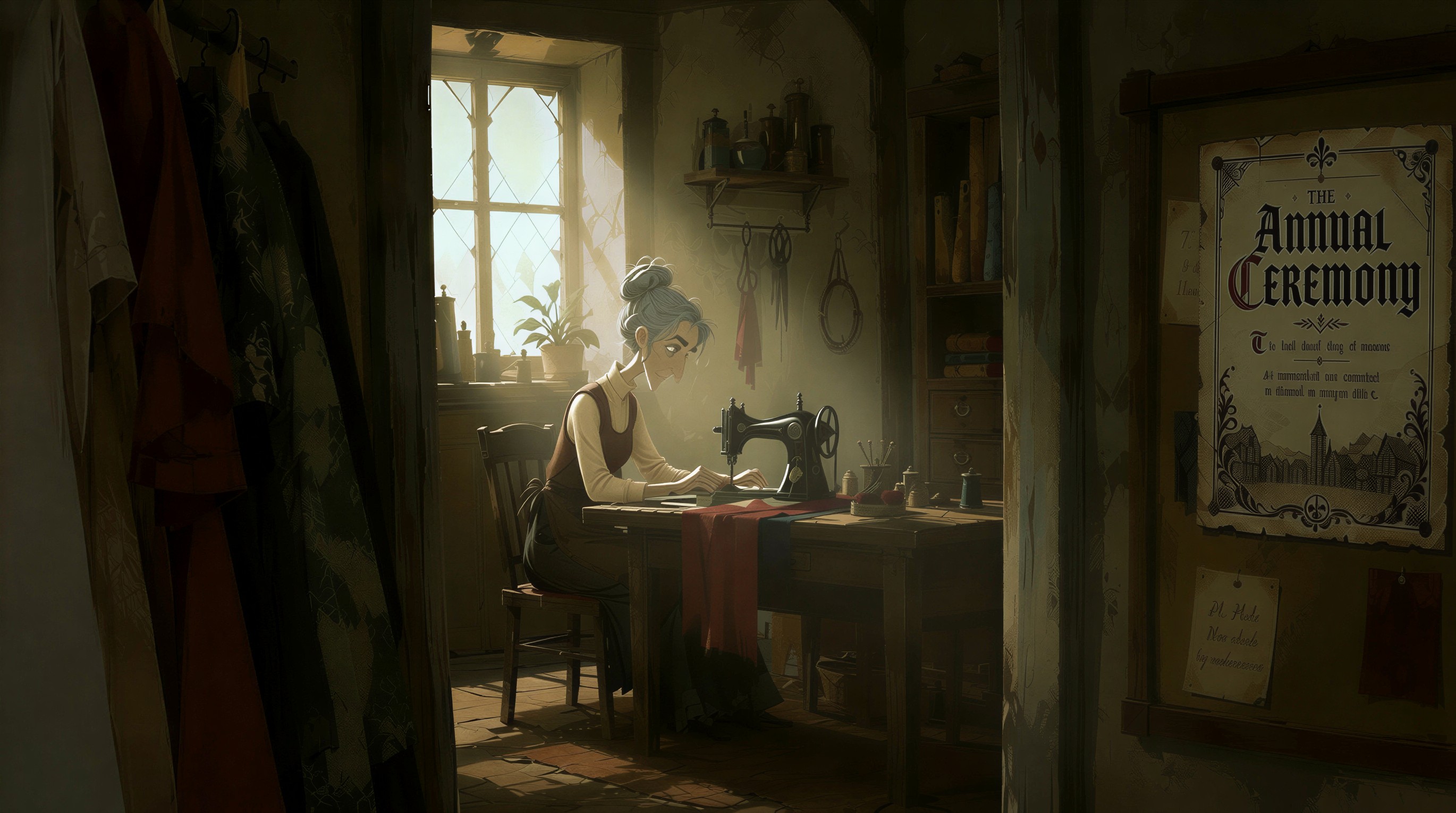
Sie beginnen, seltsame Objekte zur örtlichen Schneiderin zu bringen und bitten sie, daraus aufwendige Kleidungsstücke zu fertigen: physische Beweise für Schönheit, Tapferkeit, Intelligenz, Wichtigkeit oder welche Geschichte auch immer sie anderen glauben machen wollen.
Je überzeugender die Geschichte wird, desto sichtbarer wird die Person.
Und während die Schneiderin allen anderen hilft, sichtbar zu werden, verschwindet sie selbst langsam im Hintergrund.
Dieser Widerspruch wurde zum Kern des Films.
Die Welt finden
Ich wollte, dass die Geschichte in einer lyrischen, fast märchenhaften Welt existiert. Das Verlangen, bemerkt, bewundert oder irgendwie von allen anderen abgehoben zu werden, ist nichts Neues. Menschen haben schon immer nach Wegen gesucht, zu kommunizieren, wer sie sind, und manchmal, wer sie nach Meinung anderer sein möchten. Das war einer der Gründe, warum ich die Geschichte nicht in der Gegenwart ansiedeln wollte. Stattdessen verortete ich dieses Gefühl an einem unerwarteten Ort: einer Kleinstadt in den 1790er Jahren.
Die Welt war teilweise von Grimms Märchen inspiriert. Ich wollte, dass sie sich skurril und handgefertigt anfühlt, aber mit etwas Dunklerem darunter. Es ist ein Ort, an dem alle verzweifelt versuchen, anders zu erscheinen, während sie langsam genau dasselbe Verhalten an den Tag legen.
Sobald ich die Welt verstanden hatte, begann ich nach der Figur zu suchen, die die Geschichte tragen könnte.
Ich musste immer wieder an das türkische Sprichwort denken: „Der Schneider kann seinen eigenen Riss nicht nähen." Es beschreibt jemanden, der allen anderen helfen kann, es aber irgendwie nicht für sich selbst tun kann.
Das wurde zur Grundlage der Schneiderin. Ihre Hände verwandeln alle in der Stadt. Sie leistet die Arbeit, erschafft die Kleidungsstücke und gibt den Geschichten, die die Menschen anderen über sich glauben machen wollen, eine physische Form. Doch die Arbeit selbst bleibt nahezu unsichtbar.
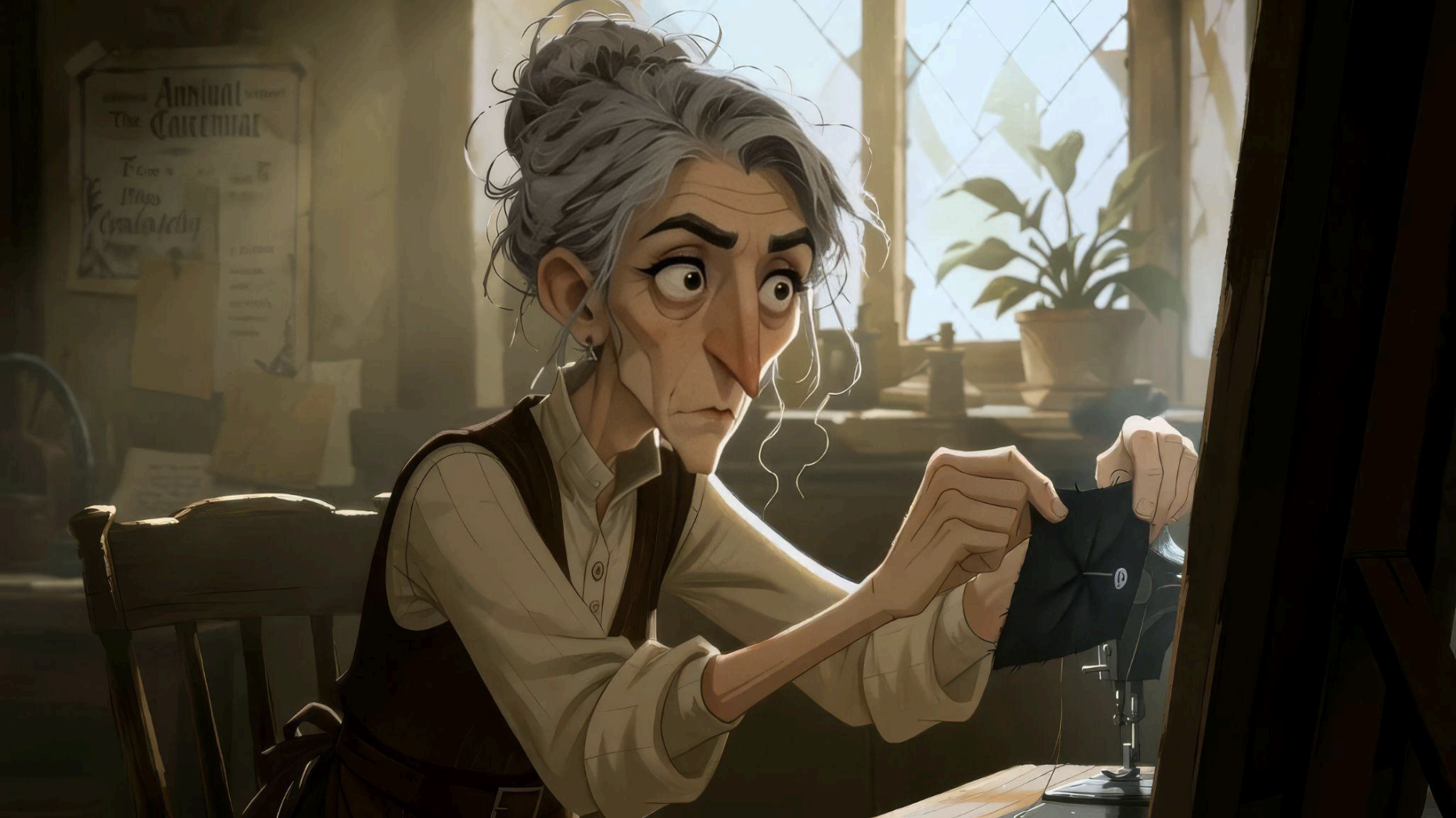
Die Stadtbewohner verlassen ihren Laden mit etwas, das zu sagen scheint:
Auch ich gehöre hierher. Auch ich bin es wert.
Währenddessen bleibt die Person, die all das möglich gemacht hat, im Hintergrund.
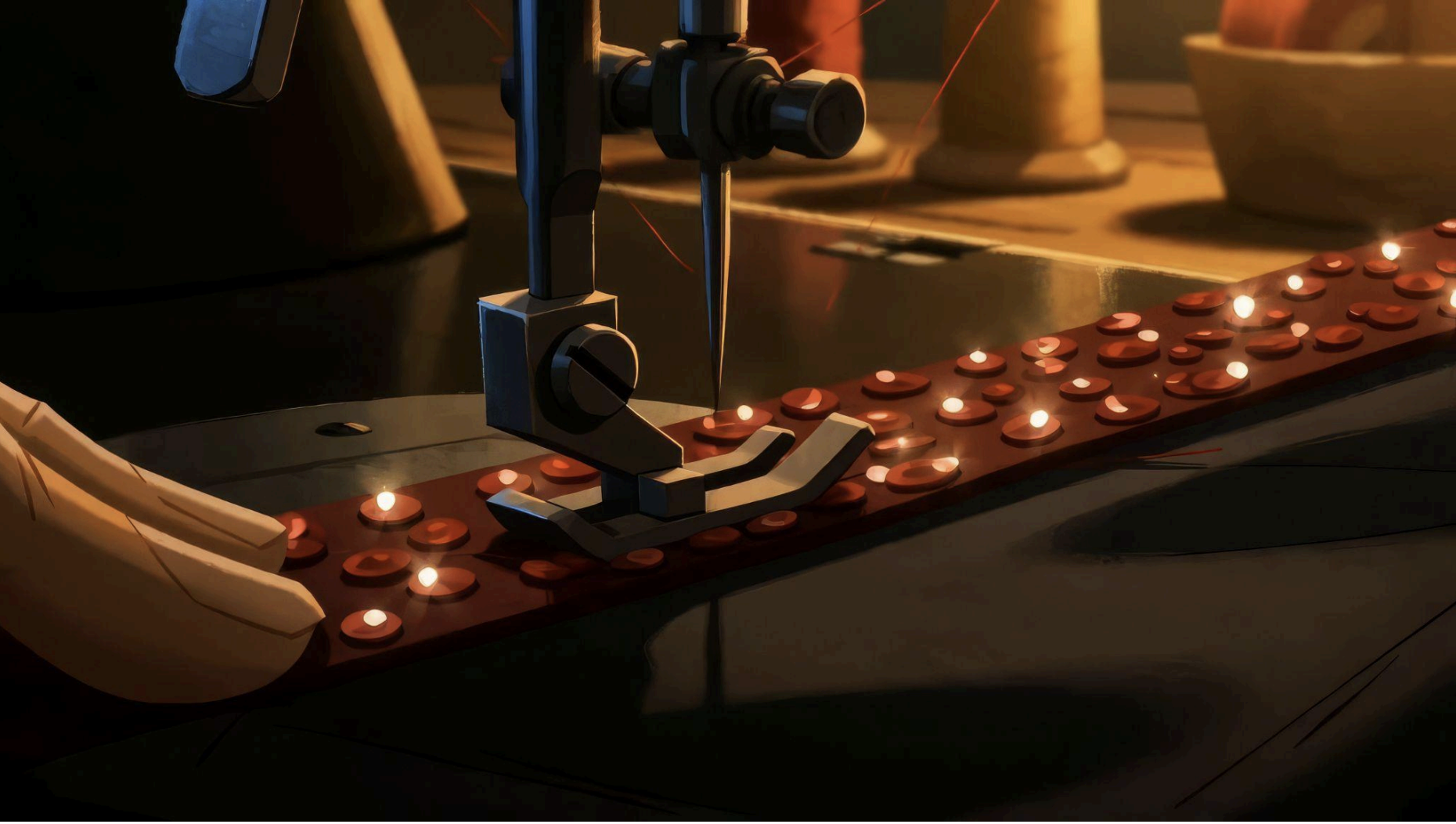
Die Schneiderin möchte ebenfalls gesehen werden. Zunächst fertigt sie still etwas Einfaches für sich selbst: eine handgemachte Rose. Doch als das nicht ausreicht, um ihr einen Platz unter den Menschen zu verschaffen, die sie eingekleidet hat, muss sie eine Entscheidung treffen:
Bleibt sie sie selbst, oder erschafft sie die gleiche Art von falschem Beweis, den sie für alle anderen erschaffen hat?
Das wurde zur treibenden Frage ihrer Transformation.
Regie mit KI
Eine der Sachen, die mir an der Arbeit mit KI gefallen, ist, dass das Ergebnis nicht immer genau so ankommt, wie ich es mir vorgestellt habe.
Ich beginne vielleicht mit einem bestimmten Bild oder einer Kamerabewegung im Kopf, aber manchmal erscheint etwas Unerwartetes im Prozess. Eine ungewöhnliche Komposition, eine unbeabsichtigte Geste oder eine andere Bewegung können eine Richtung vorschlagen, die ich vorher nicht in Betracht gezogen hatte.
Ich lernte, diese Momente nicht sofort abzulehnen. Stattdessen begann ich zu fragen, ob sie die Szene stärker machen könnten. Für mich bedeutet das nicht, die Kontrolle aufzugeben. Die Intention der Szene muss immer noch klar sein. Ich muss wissen, was die Figur fühlt, was das Publikum verstehen soll und was sich am Ende des Moments ändern muss. Was flexibel bleiben kann, ist wie ich dort ankomme.
KI wurde für mich nicht deshalb nützlich, weil sie diese Entscheidungen für mich traf, sondern weil sie mir manchmal unerwartete Möglichkeiten zur Auswahl gab.
Produktionsprozess und Kameraführung
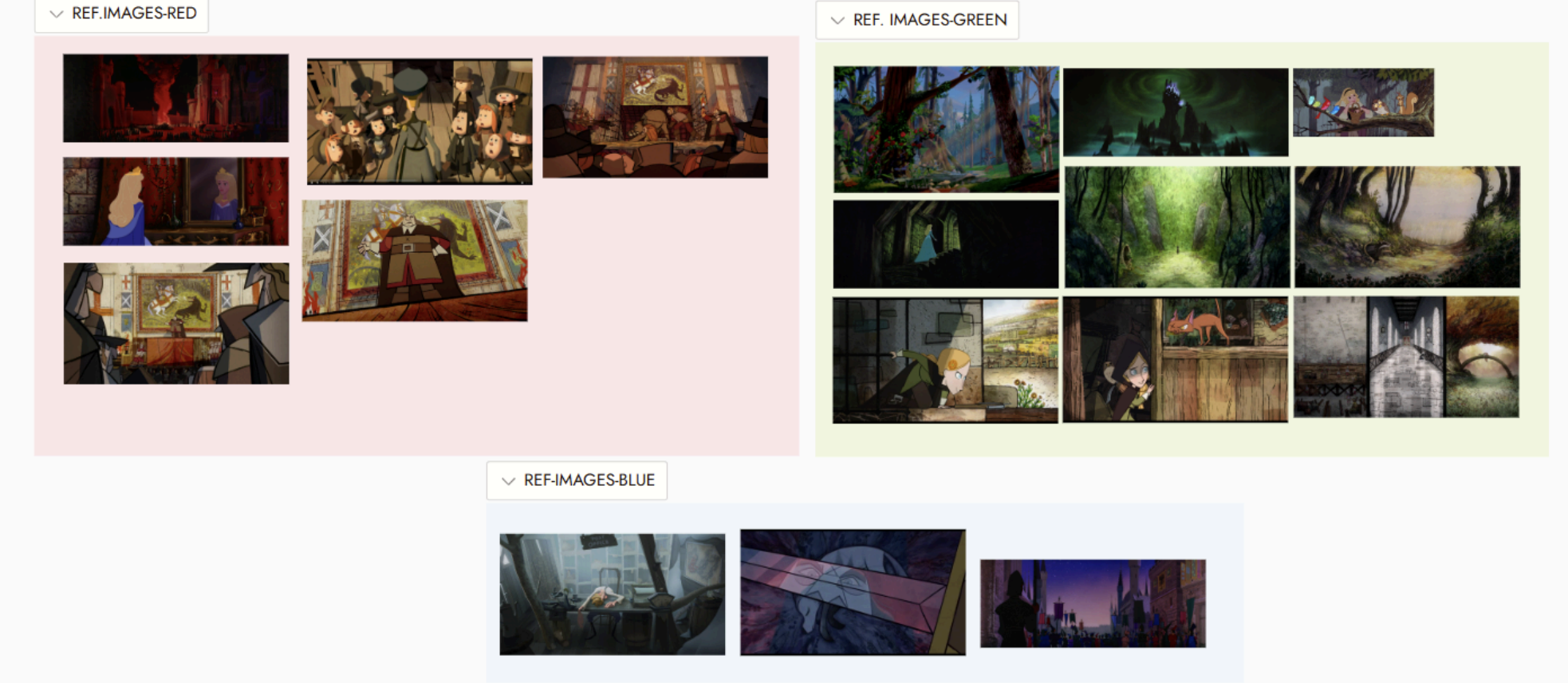
Die Produktion dauerte von Anfang bis Ende etwa vier bis fünf Wochen. Ich begann damit, das Drehbuch fertigzustellen, und bevor ich finale Bilder generierte, baute ich eine visuelle Referenzbibliothek in Flickpedia auf. Ich organisierte Referenzen nach Farbe und Stimmung, was mir half, die Welt zu verstehen, die ich erschaffen wollte.
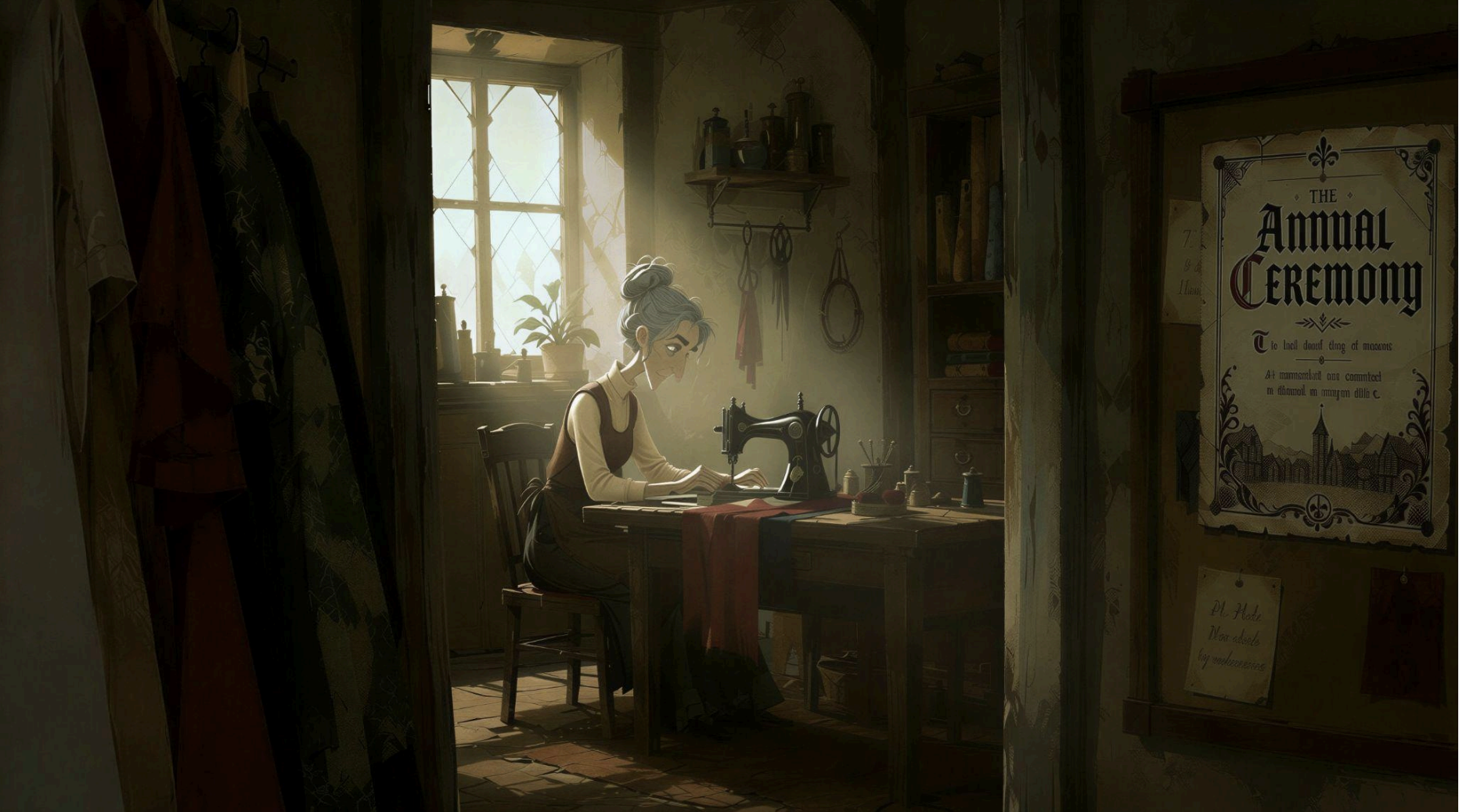
Ich erstellte sogar recht früh im Prozess ein Filmposter. Es war nicht unbedingt etwas, das ich für den fertigen Film brauchte, aber es half mir, den visuellen Ton zu etablieren. Ich wusste, dass die Geschichte skurril wirken musste, aber auch dunkel und leicht verstörend. Von dort aus fixierte ich den Gesamtstil und begann mit der Entwicklung der Charaktere und Umgebungen.
Eine der größten Herausforderungen war es, mehrere Sets zu bauen und dabei die Welt visuell konsistent zu halten. Ich lernte, dass es beim KI-Filmemachen einen enormen Unterschied macht, den Stil von Anfang an klar zu definieren. Je stärker und konsistenter die Referenzen sind, desto einfacher wird es, verschiedene Generierungstools zur gleichen visuellen Welt zu führen.
Ich versuchte auch, die Umgebungen eher wie ein Production Designer anzugehen, anstatt sie einfach als Hintergründe zu behandeln. Die Räume mussten sich für die Zeitperiode angemessen anfühlen, aber sie mussten auch Dinge kommunizieren, die im Drehbuch nie direkt erklärt wurden. Farbe, Architektur, Beleuchtung, Objekte und sogar die Menge an leerem Raum um eine Figur herum konnten dazu beitragen, was eine Szene aussagte. Für mich wurde das zu einem wichtigen Teil der Etablierung des emotionalen und visuellen Tons des Films.
Ein weiterer Teil des Prozesses, den ich wirklich genoss, war das Experimentieren mit Kamerasprache. Die Verwendung von Flicks 3D Stage ermöglichte es mir, spezifische Kamerawinkel und -bewegungen zu erkunden, bevor ich die finalen Aufnahmen generierte. Anstatt eine Kamerabewegung nur in einem Prompt zu beschreiben, konnte ich eine viel klarere visuelle Referenz für das erstellen, was ich wollte.
Ich habe unten ein kurzes Tutorial eingefügt, das zeigt, wie ich diesen Prozess für eine der Aufnahmen im Film verwendet habe.
Link: https://drive.google.com/file/d/1b7G5tz8AFWfEGC6nm-3zgNvlUN9EFWRs/view?usp=sharing
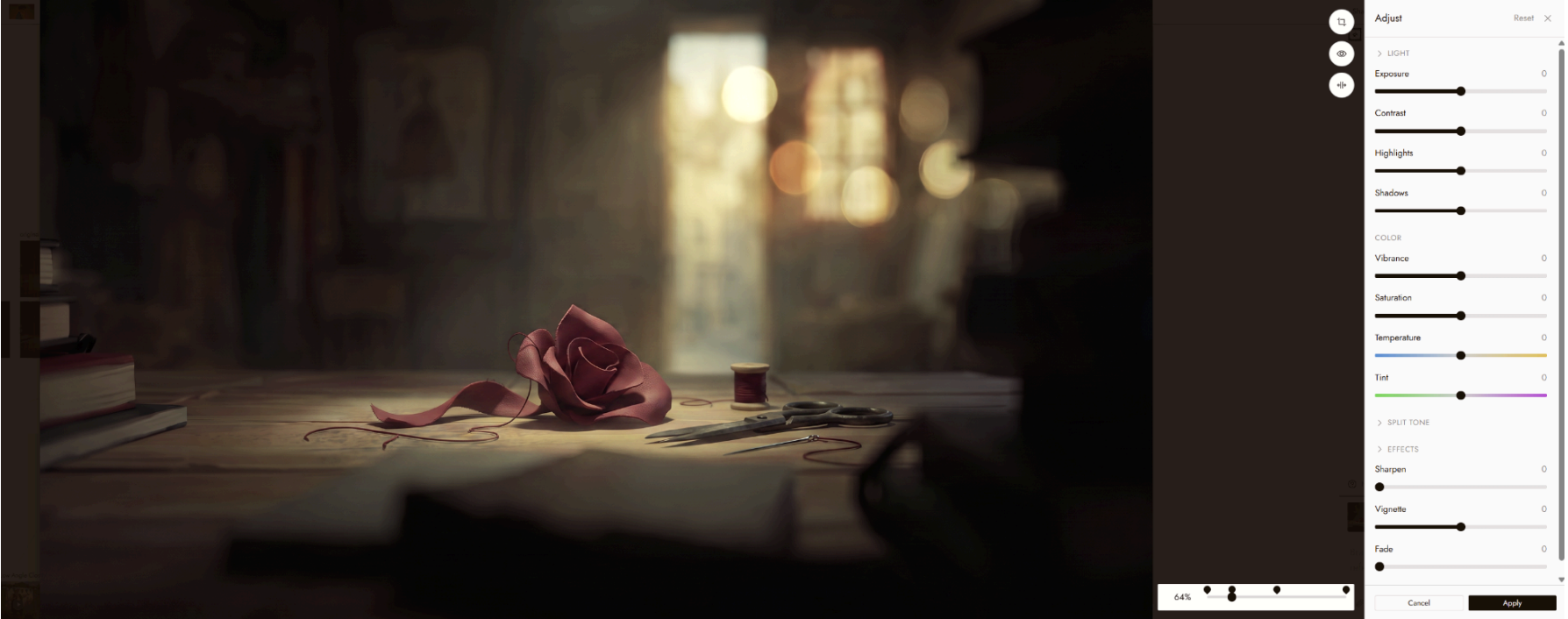
Außerdem waren die Farbkorrektur-Steuerelemente innerhalb von Flick, die im Workflow verfügbar waren, überraschend nützlich. Die Möglichkeit, während der Arbeit schnelle Anpassungen vorzunehmen, machte es einfacher, verschiedene Aufnahmen so aussehen zu lassen, als gehörten sie zum gleichen Film.
Der schwierigste Teil: Menschenmengen
Die größte technische Einschränkung, auf die ich stieß, war die Erstellung von Szenen mit Menschenmengen. Dies war schwierig bei der Standbildgenerierung und besonders bei der Videogenerierung. Wenn ich Seedance ein Referenzbild der Schneiderin gab, wollte es sie oft in der gesamten Menge replizieren oder Personen generieren, die ihr sehr ähnlich sahen. Das wurde zu einem Problem, weil die Geschichte davon abhängt, dass sich die Schneiderin visuell von den Stadtbewohnern abhebt.
Ich verbrachte deutlich mehr Zeit damit, starke Referenzbilder zu erstellen, die Platzierung der Charaktere zu kontrollieren und manchmal Einstellungen zu vereinfachen, bevor ich zur Videogenerierung überging.
Letztendlich führte diese Einschränkung den Film jedoch in eine stärkere Richtung.
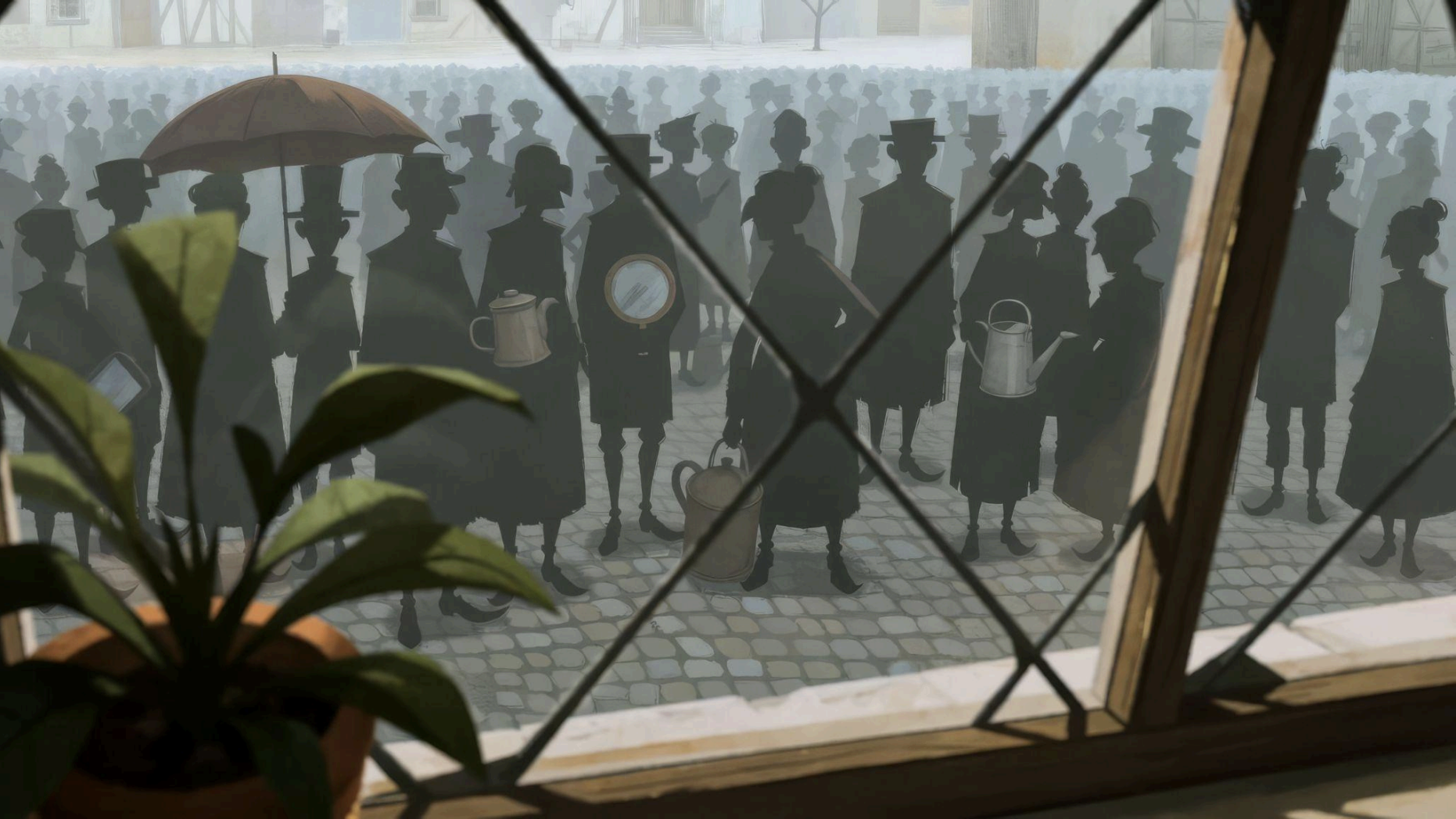
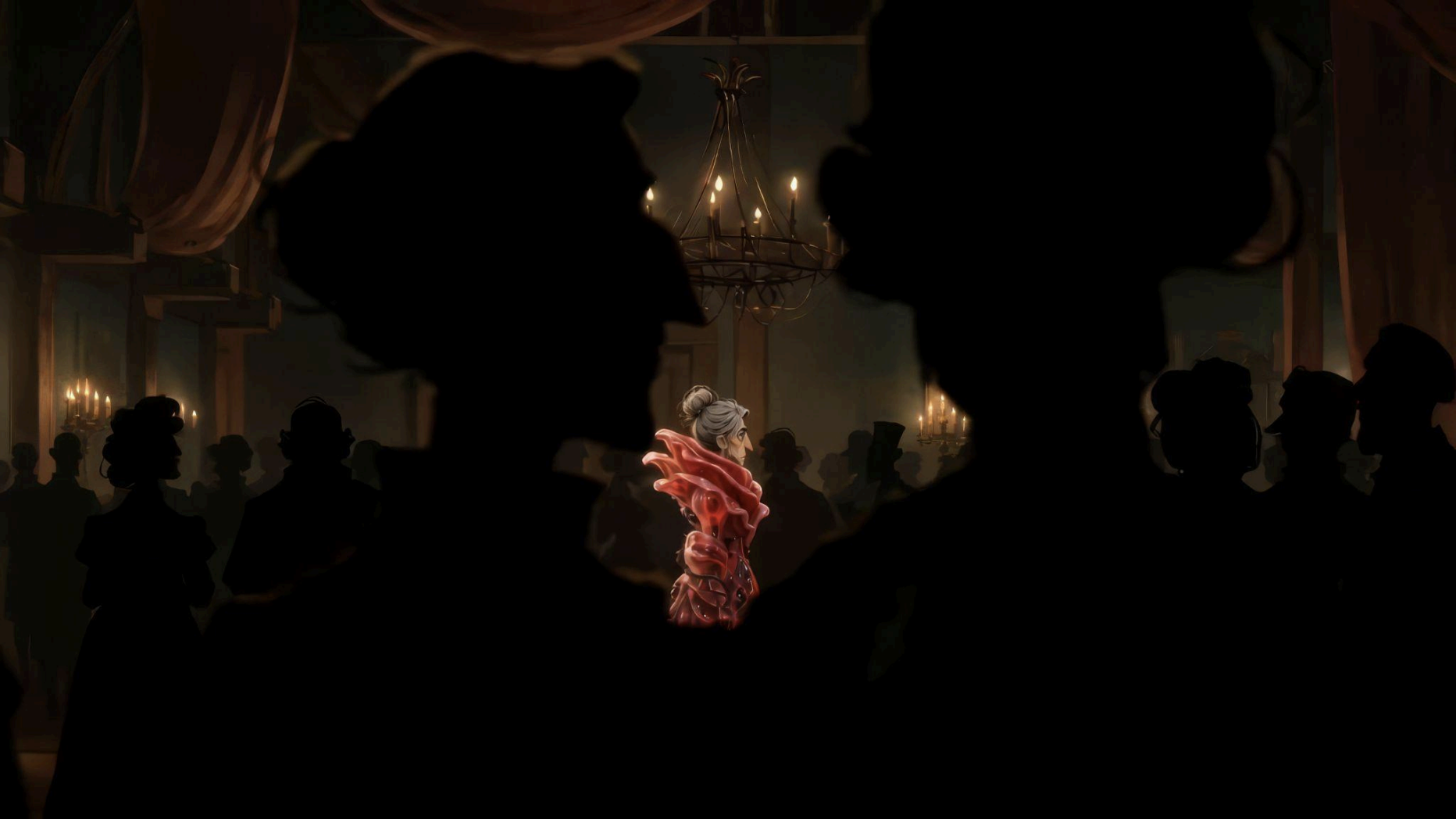
In mehreren Szenen begann ich, die Stadtbewohner als Silhouetten zu verwenden, anstatt als vollständig definierte Individuen.
Zunächst war dies eine technische Lösung. Aber es unterstützte am Ende die Geschichte viel besser.
Die Menschenmenge in Happy Souls Alive ging nie wirklich um einzelne Personen. Sie repräsentierte den Druck, der die Schneiderin umgibt, den kollektiven Blick, in den sie eintreten möchte, aber nie ganz Teil davon werden kann.
Die Menge weniger individuell zu gestalten, half dabei, sie eher wie eine einzige Kraft wirken zu lassen. In diesem Fall wurde eine produktionstechnische Einschränkung Teil der visuellen Sprache des Films.
Zusammenfassung
KI machte es möglich, dass Happy Souls Alive mehr wurde als nur eine Idee in meinem Kopf.
Aber während des gesamten Prozesses versuchte ich, jede Entscheidung bewusst und mit Absicht zu treffen.
Wann immer ich mich einer Szene näherte, stellte ich mir ein paar einfache Fragen:
Bringt diese Szene die Geschichte voran? Was ist ihr Zweck? Enthülle ich etwas Neues? Was soll das Publikum hier fühlen? Können die Bildgestaltung, Komposition oder visuelle Sprache etwas vermitteln, was Dialog allein nicht kann?
Und nach dem Abschluss einer Szene stellte ich noch eine weitere Frage:
Hat sich nach diesem Moment etwas verändert?
Für mich war der wichtigste Teil des Prozesses sicherzustellen, dass jede Entscheidung eine Bedeutung trägt.
KI kann sehr schnell Bewegung, Details und visuelle Komplexität hinzufügen, und diese Möglichkeiten werden nur weiter wachsen. Für mich ist der interessante Teil die Entscheidung, was man mit diesen Möglichkeiten macht: warum eine Szene existiert, was sie uns fühlen lässt und wie sie der Geschichte dient.
Was einen Film bedeutungsvoll macht, ist nicht einfach das, was die Technologie produzieren kann, sondern was die Person dahinter versucht zu sagen und wie sie es zu sagen wählt.
Das ist auch das, was mich am KI-Filmemachen begeistert. Jeder kann mit ähnlichen Werkzeugen arbeiten, aber die Art und Weise, wie wir beobachten, Entscheidungen treffen, Bedeutung aufbauen und eine Idee ausdrücken, wird immer unterschiedlich sein, und wenn es etwas gibt, das bei dir bleibt, etwas, das dich neugierig macht, etwas, das du hinterfragen möchtest, oder einfach etwas, das du ausdrücken musst, und du nun die Werkzeuge hast, es zum Leben zu erwecken, dann fängt die Art und Weise, wie es gemacht wurde, an, weniger wichtig zu sein als das, was du damit zu sagen versuchst.
Während dieses Projekts gab mir Flick einen Raum, um diesen Prozess zu erkunden und meinen eigenen Weg zu finden, die Geschichte auszudrücken.