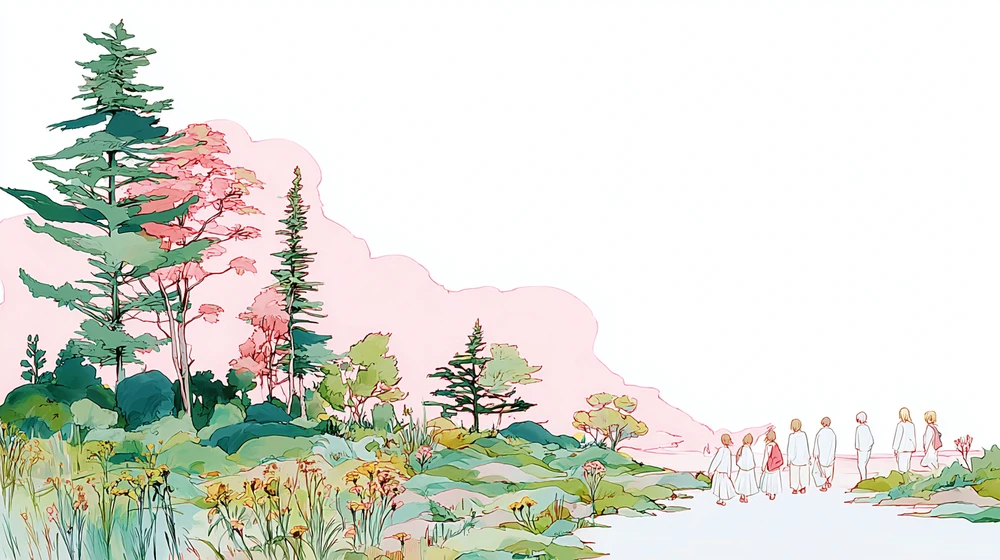
Loose Watercolor Illustration
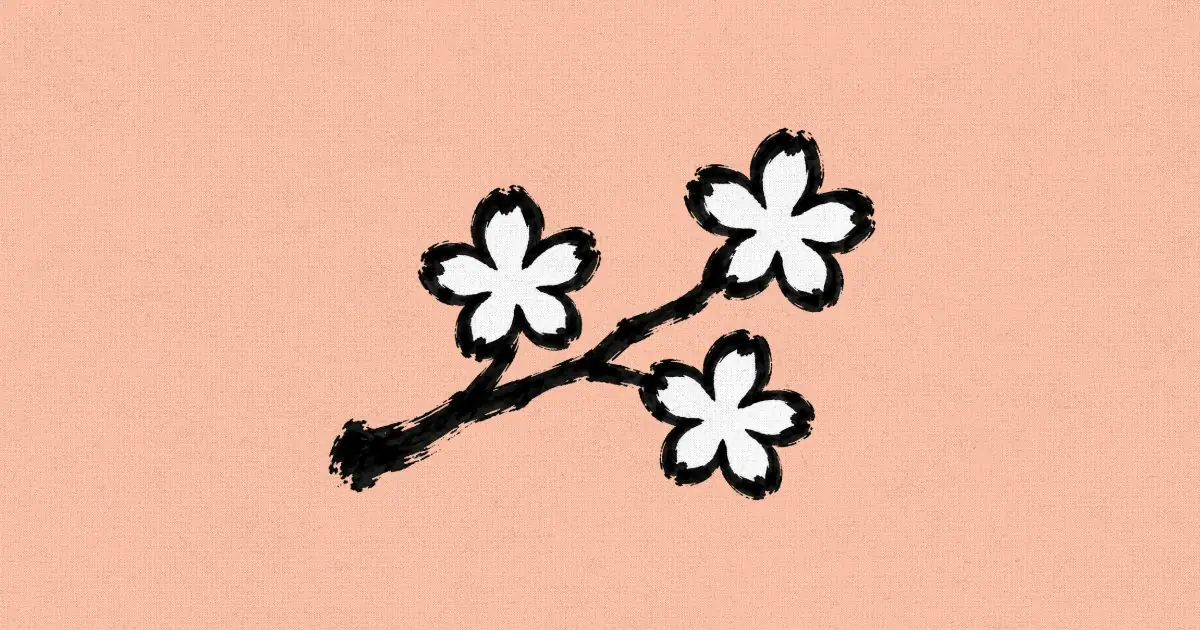
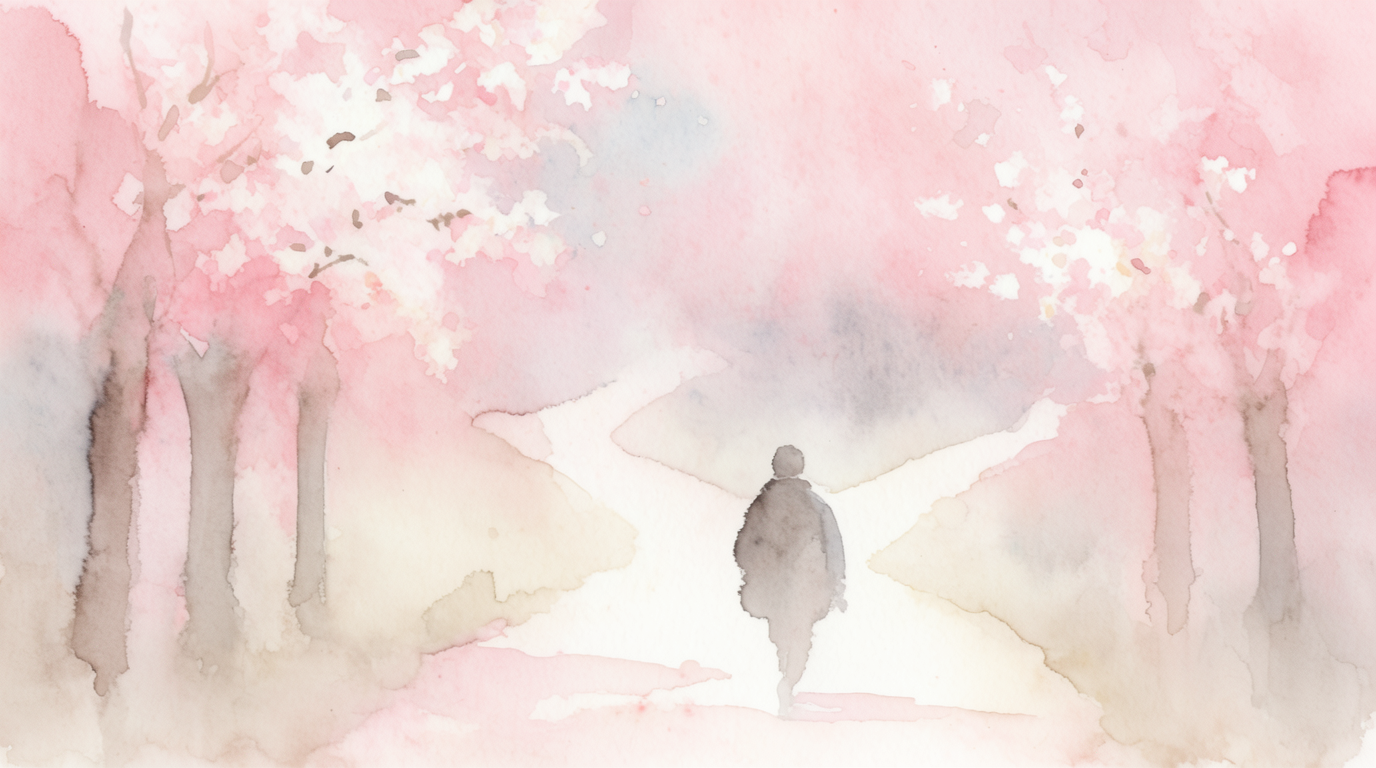
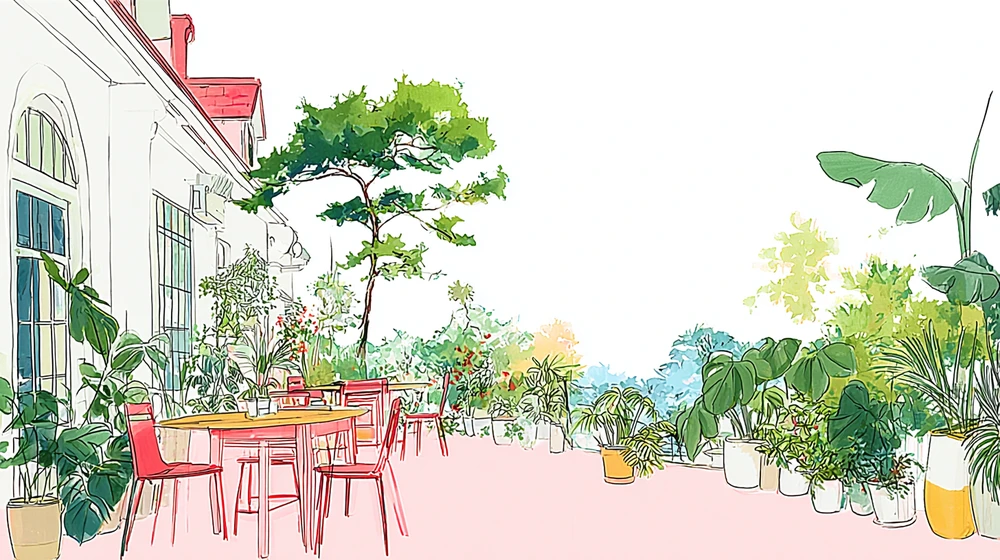
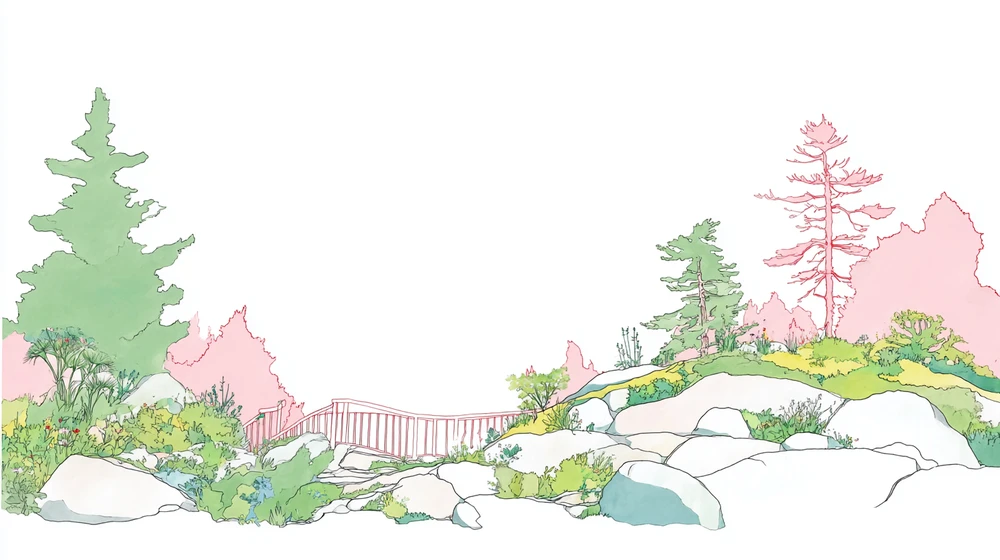
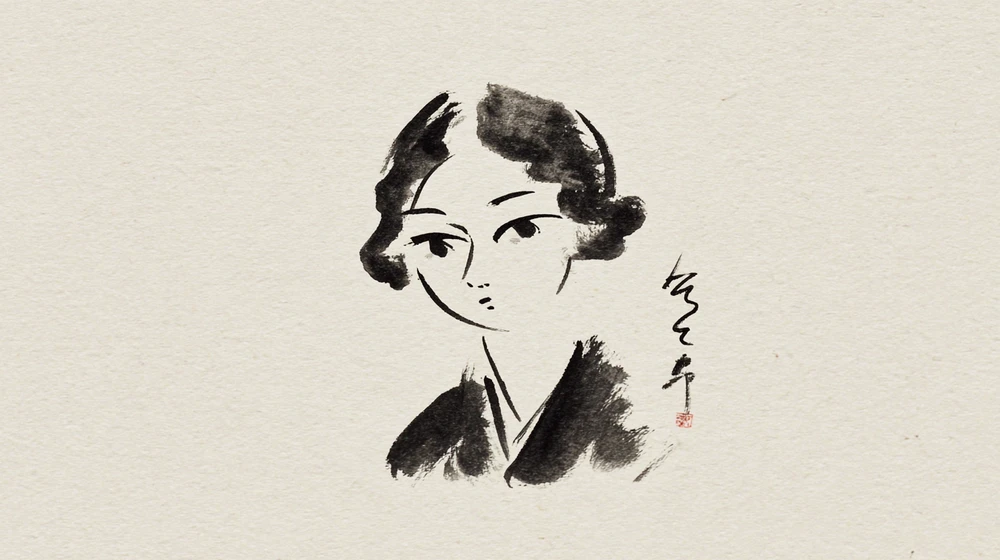
Thin, loose ink outlines with light, see-through washes and plenty of white paper, asked for with loose watercolor, thin ink outlines, airy washes.
AI art styles are named looks an image model can follow, such as watercolor, ukiyo-e, linocut, art deco, pixel art or film noir. Name the medium, the line and the palette in your prompt, or attach a reference image in that style.
By Zoey Z.Last updated
Most lists of AI art styles show one picture per style, which makes it hard to tell what the look really is or how to ask for it. This guide shows 18 styles from the hundreds of visual styles in Flickpedia, three reference images each, grouped into painting, print and drawing, illustration, digital and 3D, and film looks. Under each one are the words that call it up, so you can write it into a prompt or attach the style itself in Flick.
| Family | Style | What defines it |
|---|---|---|
| Painting | Loose watercolor | Thin ink outlines, pale washes, white paper |
| Painting | Impressionistic painting | Bold brushstrokes, bright color over realism |
| Painting | Pointillist | Small dots of color that build the image |
| Painting | Textured gouache | Opaque paint, simple shapes, earthy palette |
| Print and drawing | Ukiyo-e woodblock | Flat color, fine outlines, Edo period prints |
| Print and drawing | Linocut | Two colors, carved shapes, high contrast |
| Print and drawing | Sumi-e ink | Black ink brushwork and empty space |
| Print and drawing | Pencil sketch | Graphite shading in one tone |
| Illustration | Art deco | Geometric shapes, elegant 1920s palette |
| Illustration | Art nouveau | Flowing lines, ornate borders, pastels |
| Illustration | Classic comic | Bold outlines, Ben-Day dots, speech balloons |
| Illustration | Childlike crayon | Waxy strokes, simple shapes, bright color |
| Digital and 3D | Pixel art | Visible square pixels, a limited palette |
| Digital and 3D | Isometric | Angled view with no vanishing point |
| Digital and 3D | Paper sculpture | Layered, folded paper in real light |
| Digital and 3D | Retro vaporwave | Purple and pink, grids, retro nostalgia |
| Film looks | Film noir | Hard light, deep shadow, mystery |
| Film looks | Cinematic film photography | Dramatic light and a film still's grade |
Thin, loose ink outlines with light, see-through washes and plenty of white paper, asked for with loose watercolor, thin ink outlines, airy washes.


Thick, visible brushstrokes and colors brighter than life, so the mood leads, called up with expressive impressionist painting, bold visible brushstrokes.
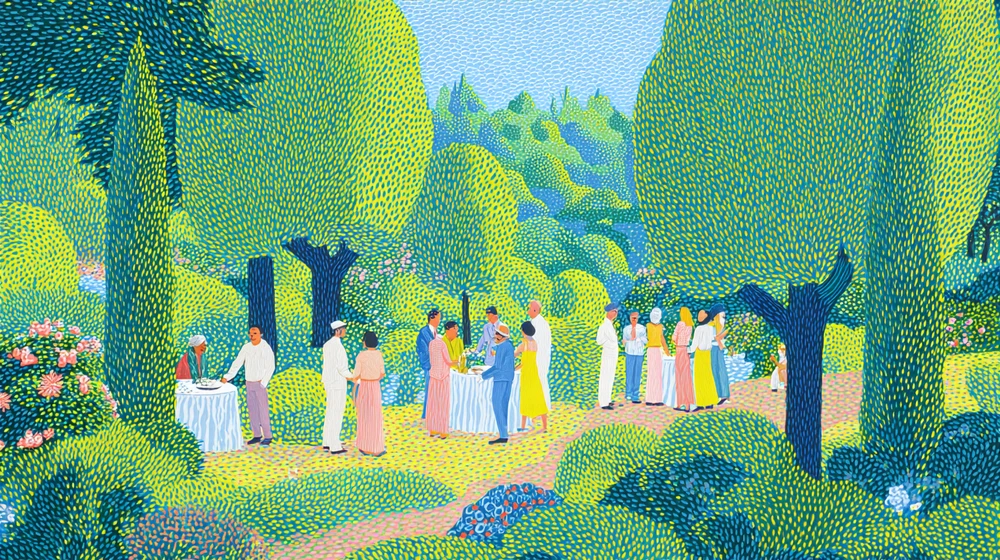
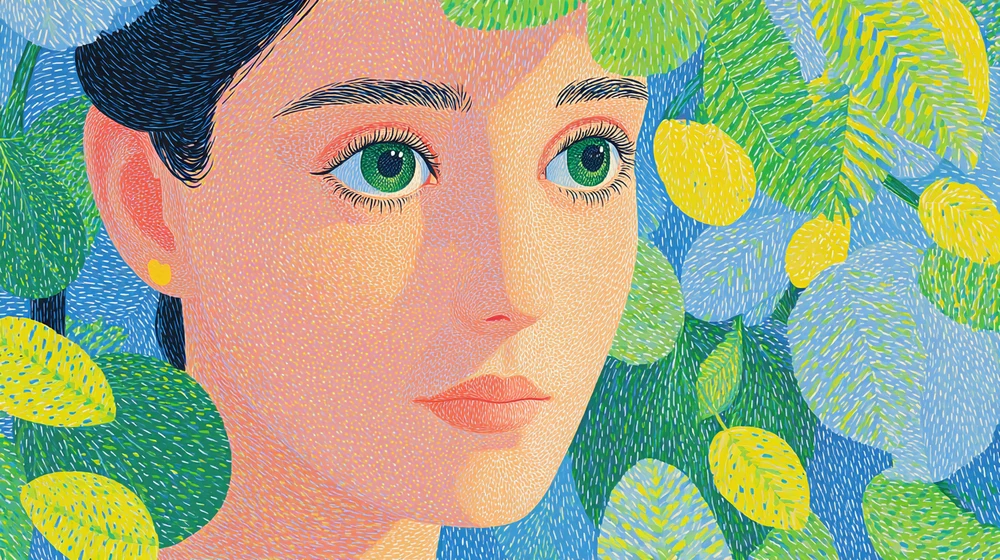
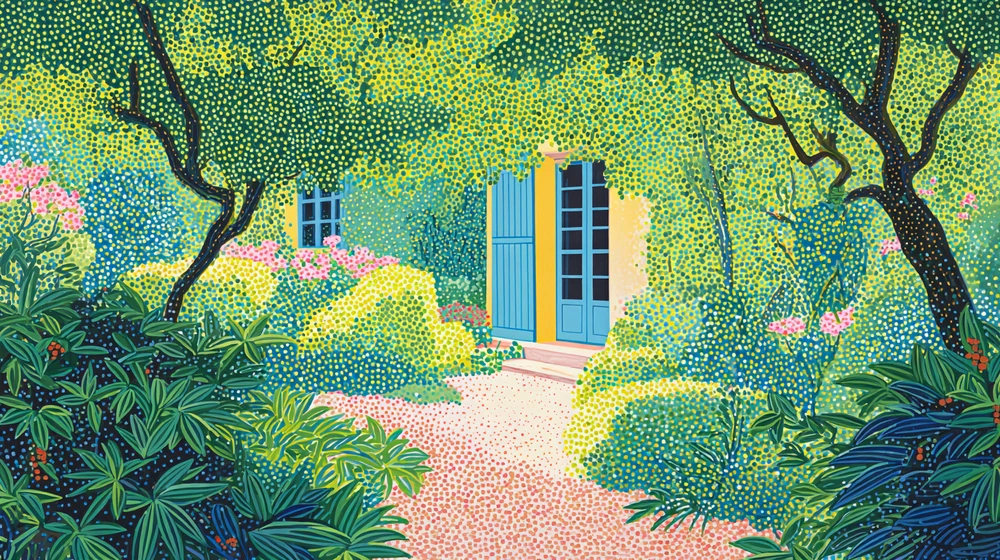
The whole image is built from small dots of color that blend at a distance, written as pointillist illustration, small dots of color, textured.


Opaque, matte paint with simple shapes and a warm, earthy palette, which suits picture books, with textured gouache illustration, visible brushstrokes.
two-color linocut.
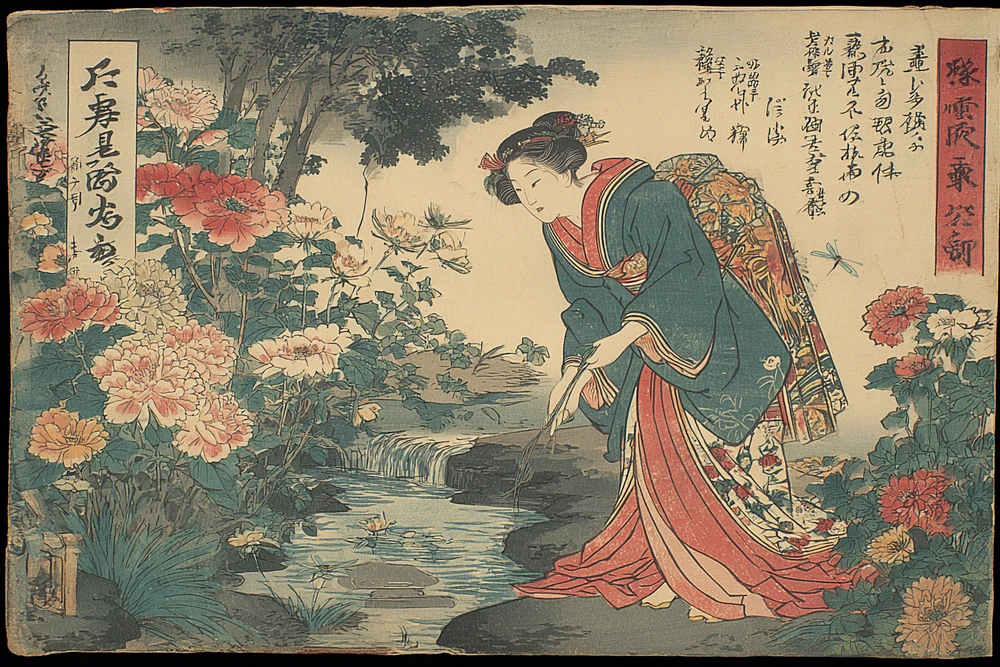
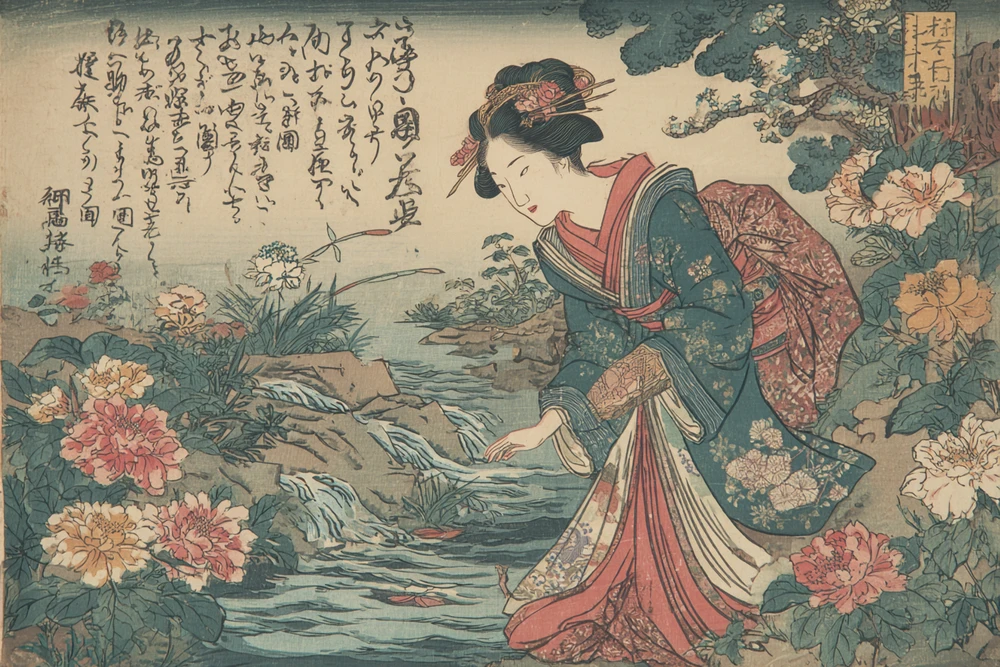
The look of Edo period Japanese prints, with fine outlines, flat color and printed paper, asked for as ukiyo-e woodblock print.
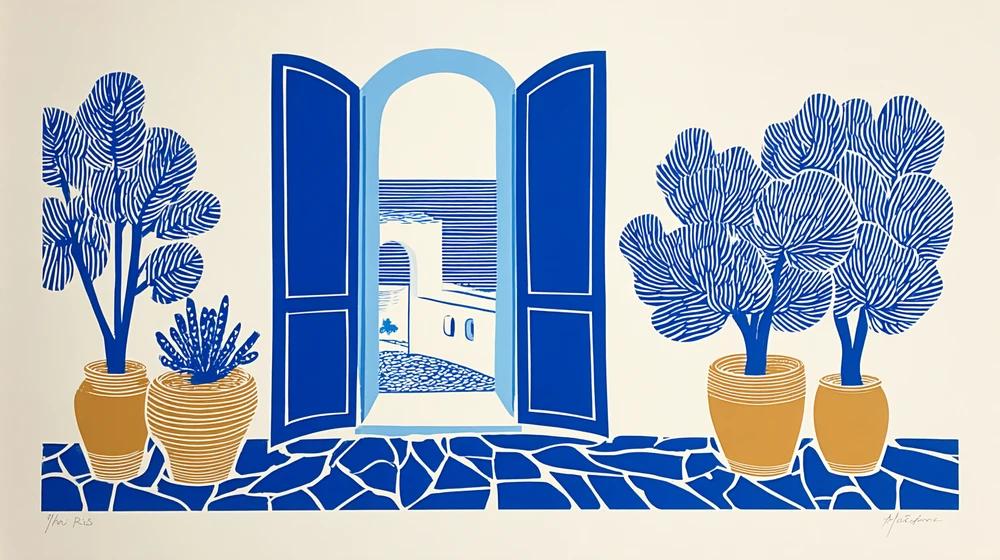
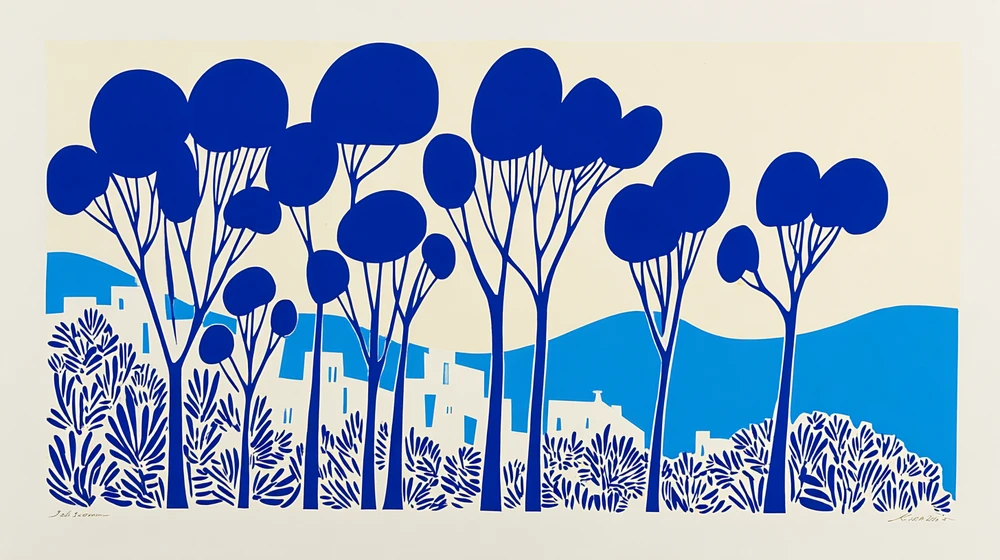
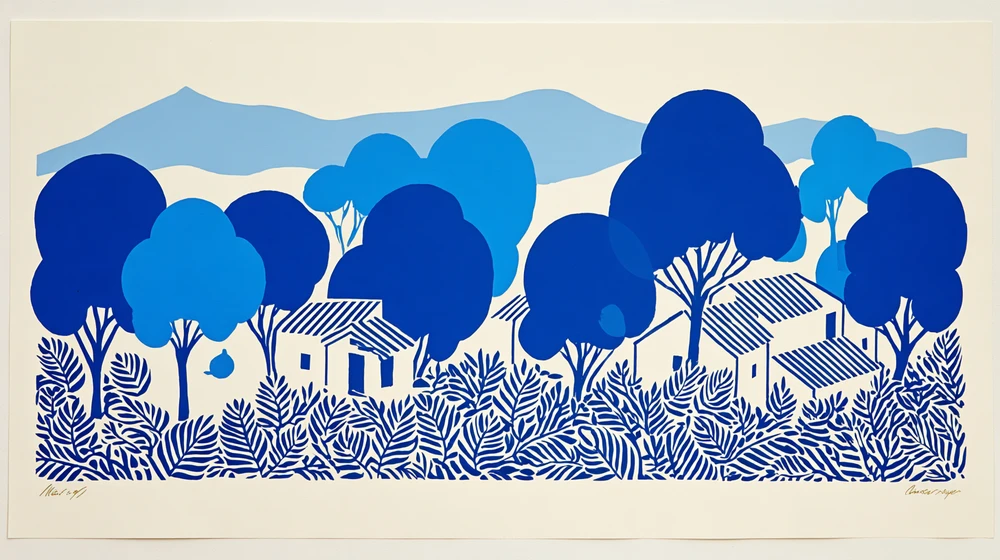
Strong carved shapes in two colors with high contrast, so a scene reads at once, written as bold linocut illustration, two colors, flat shapes.
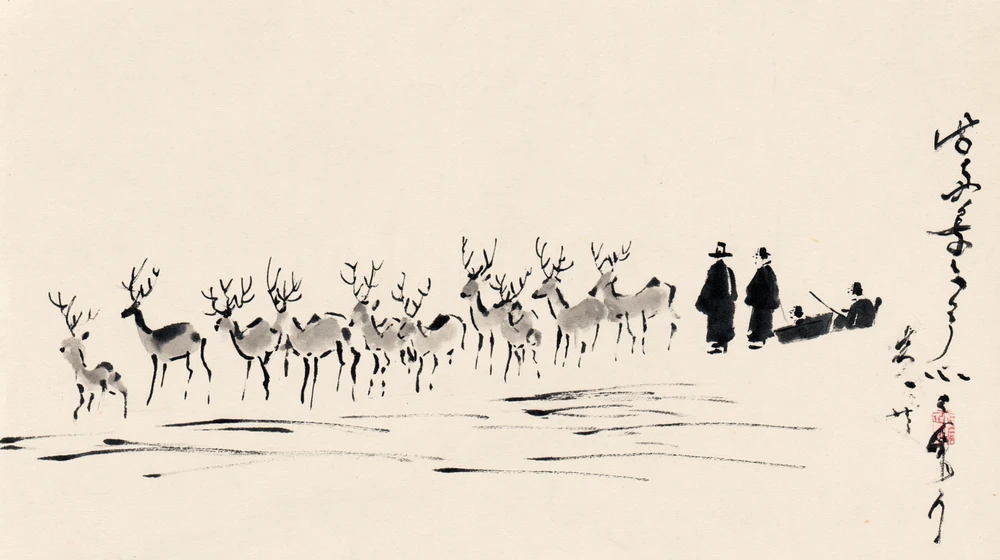
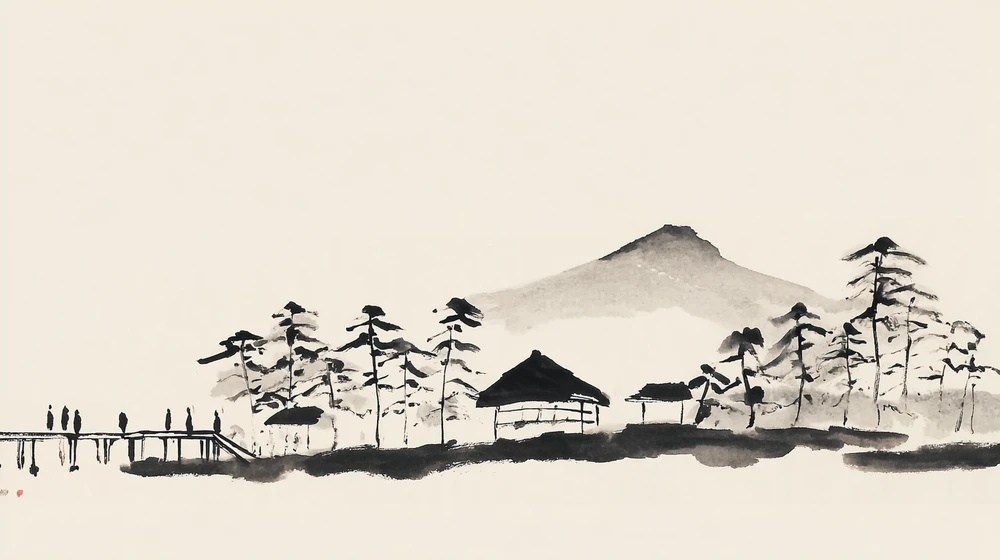
Black ink brushwork with wide empty space, from East Asian ink painting, called up with sumi-e ink painting, ink wash, negative space.
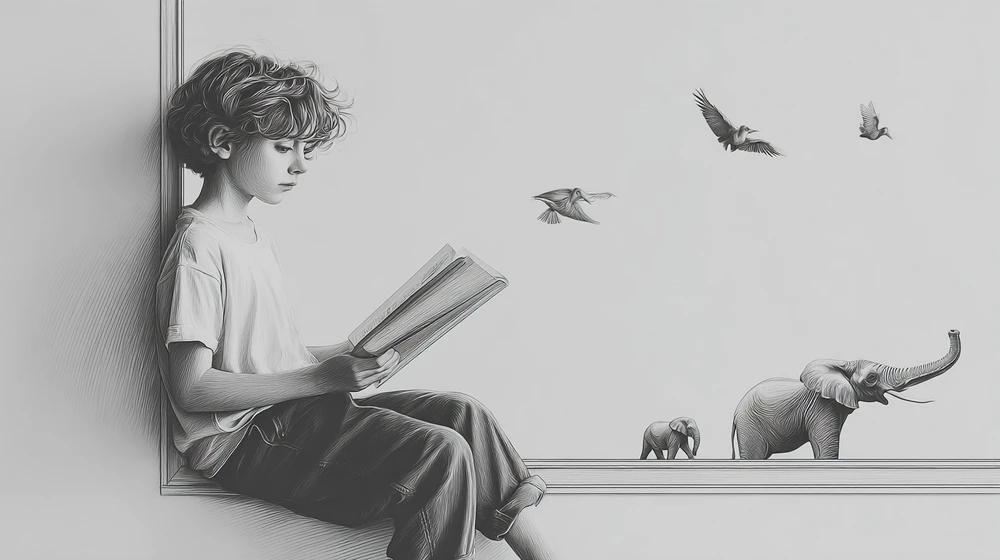
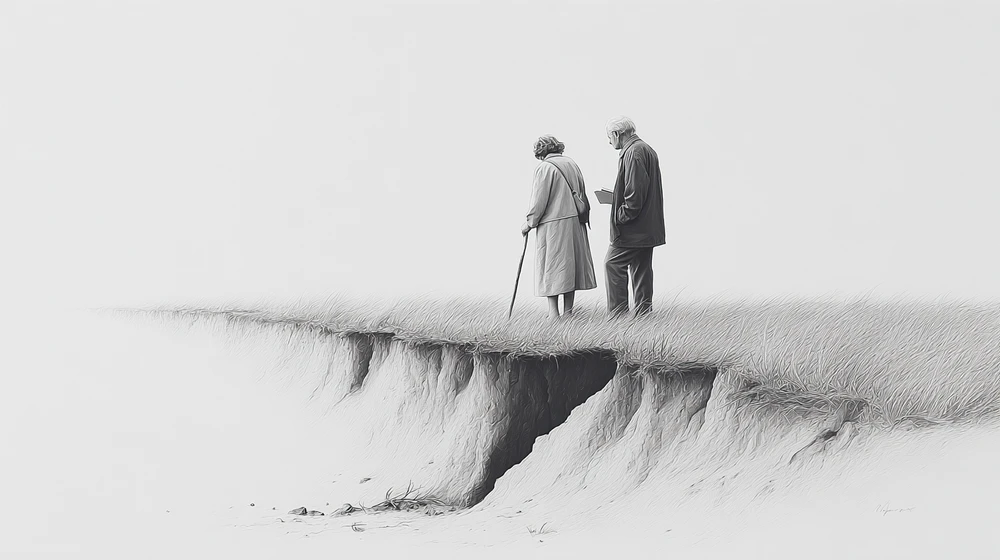
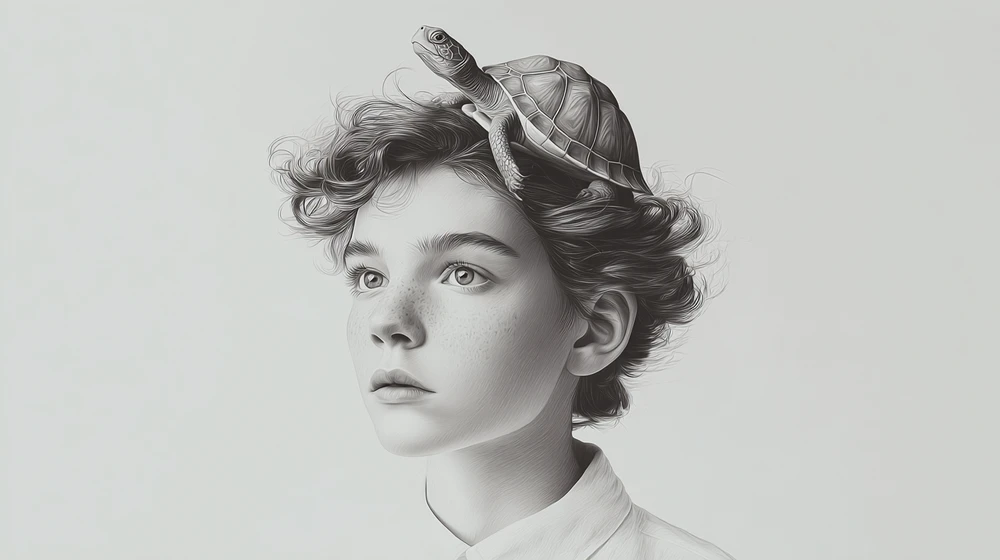
Fine graphite shading in one tone, close to a drawing on paper, with realistic pencil sketch, detailed shading, monochrome.
art nouveau, carries its lines and palette with it.


Clean lines, geometric shapes and an elegant, limited palette that recalls the 1920s, asked for as art deco illustration.
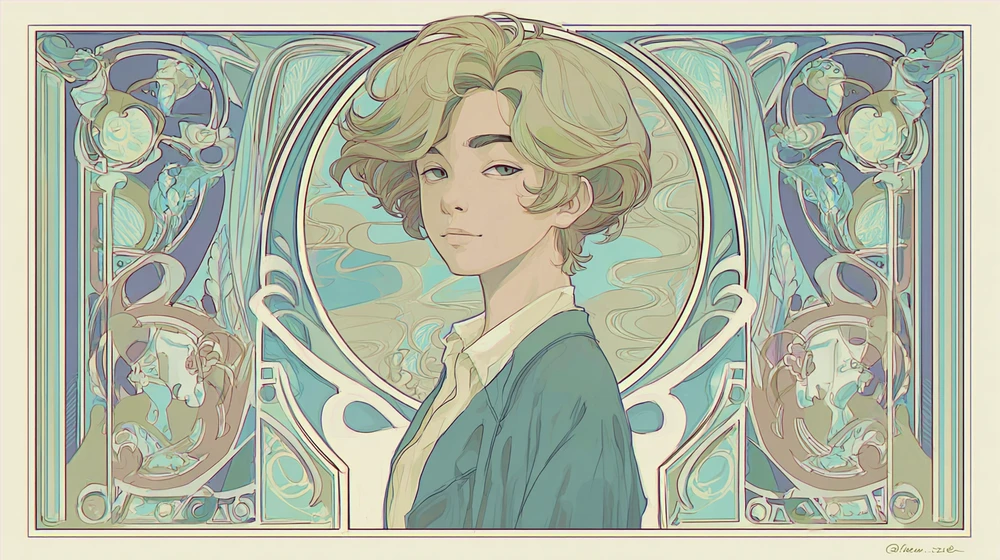
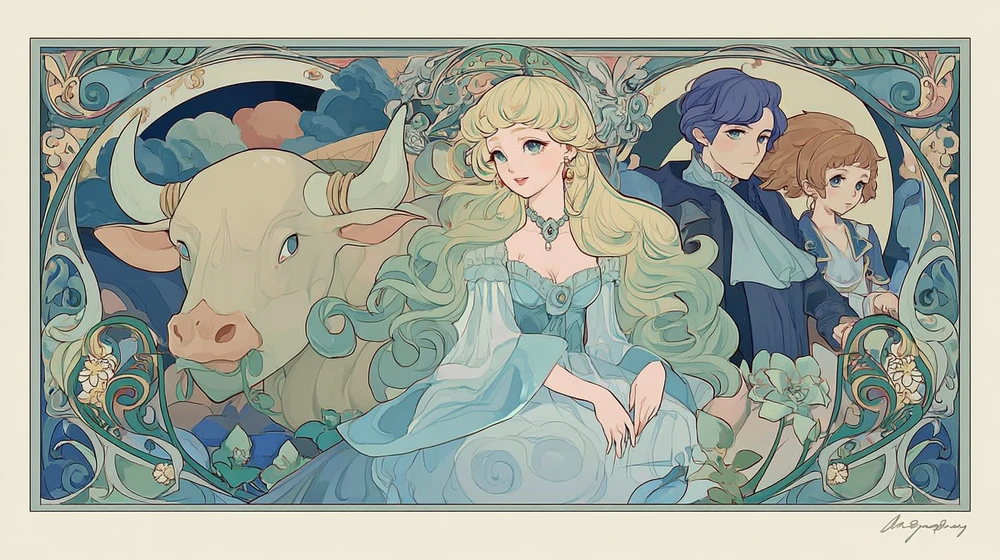
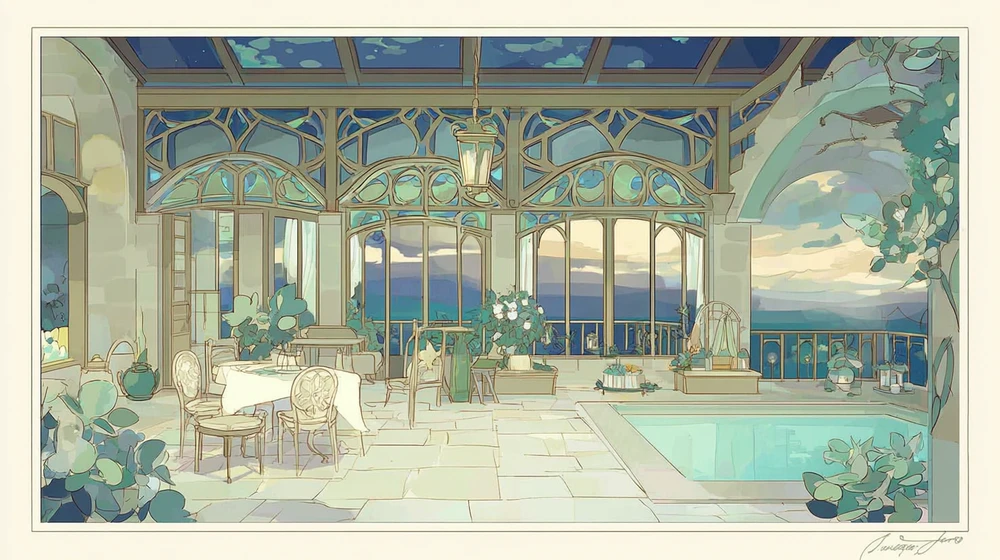
Flowing, organic lines and decorative borders in soft pastels, from the movement of around 1900, with art nouveau illustration, ornate border.
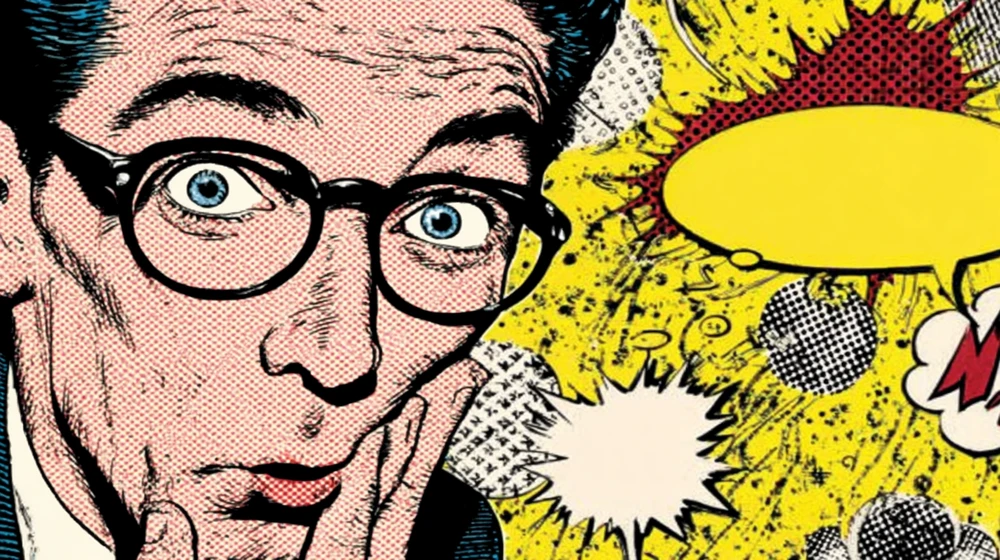
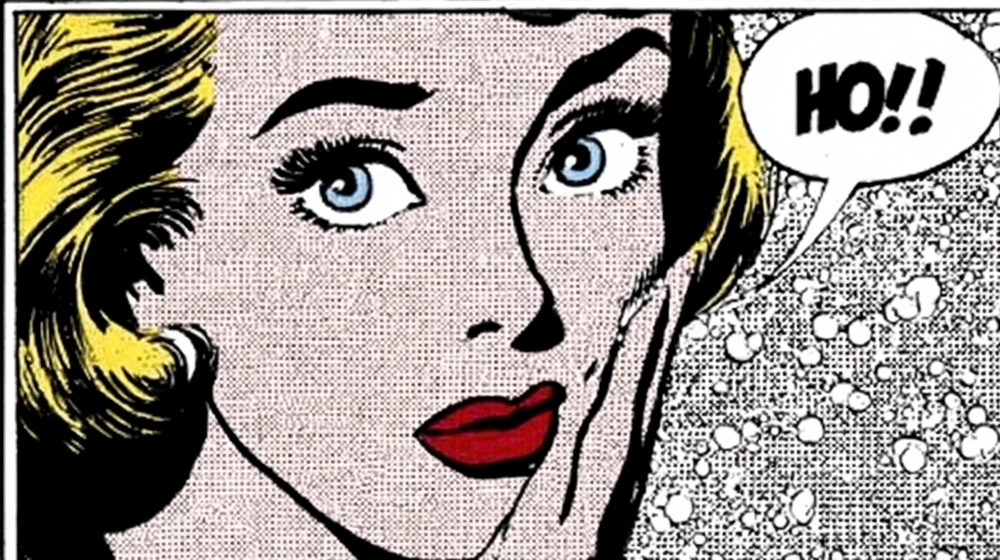
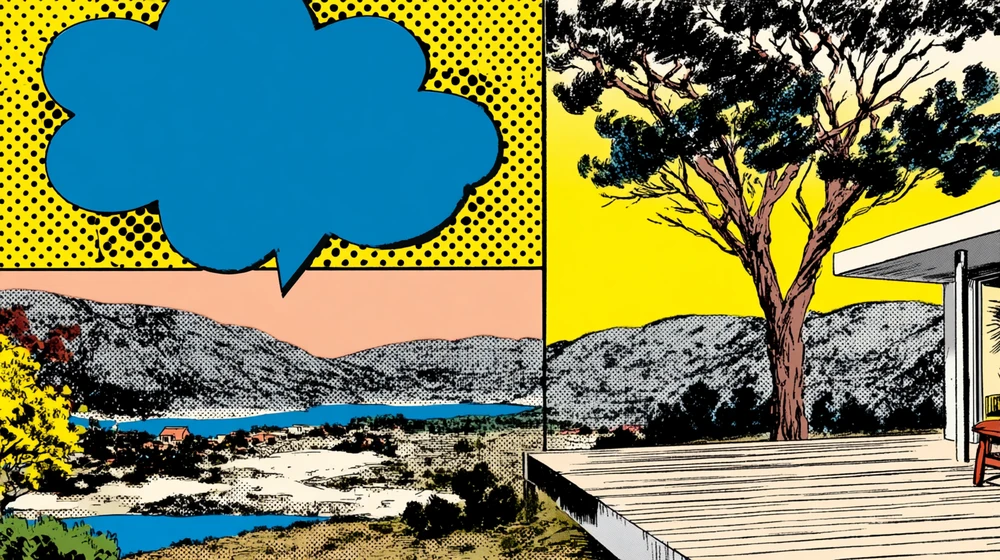
Bold outlines, flat color and Ben-Day dots, the printed shading of mid-century comic books, called up with classic comic art, Ben-Day dots.
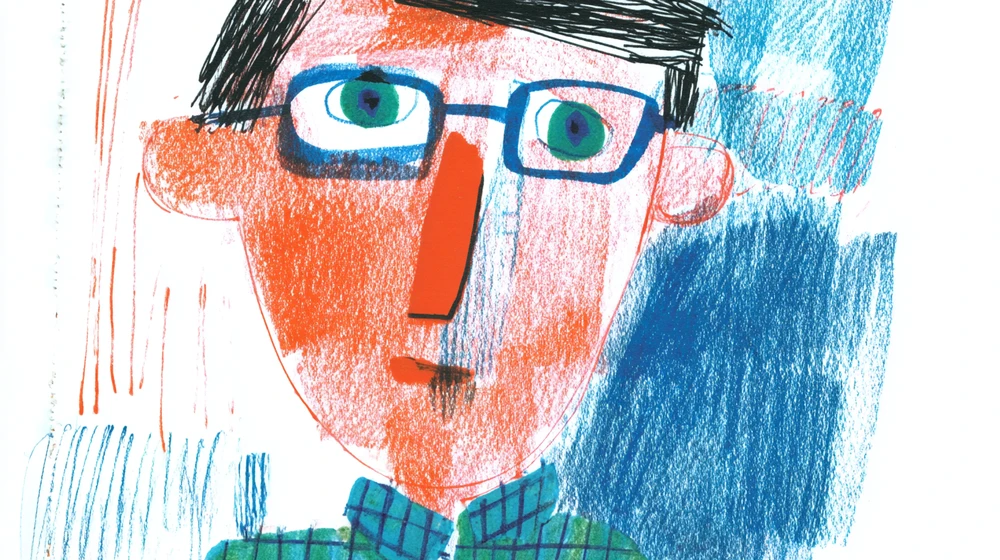
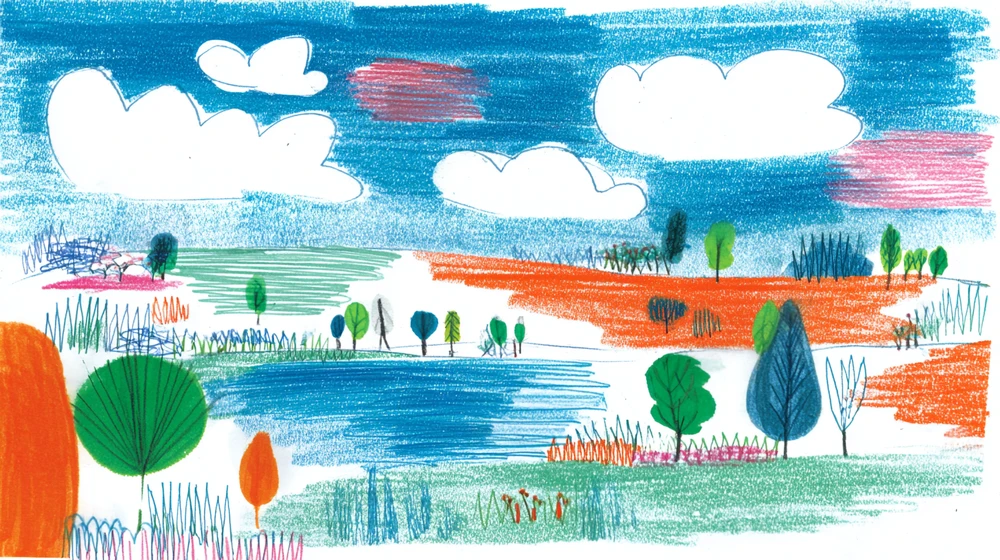
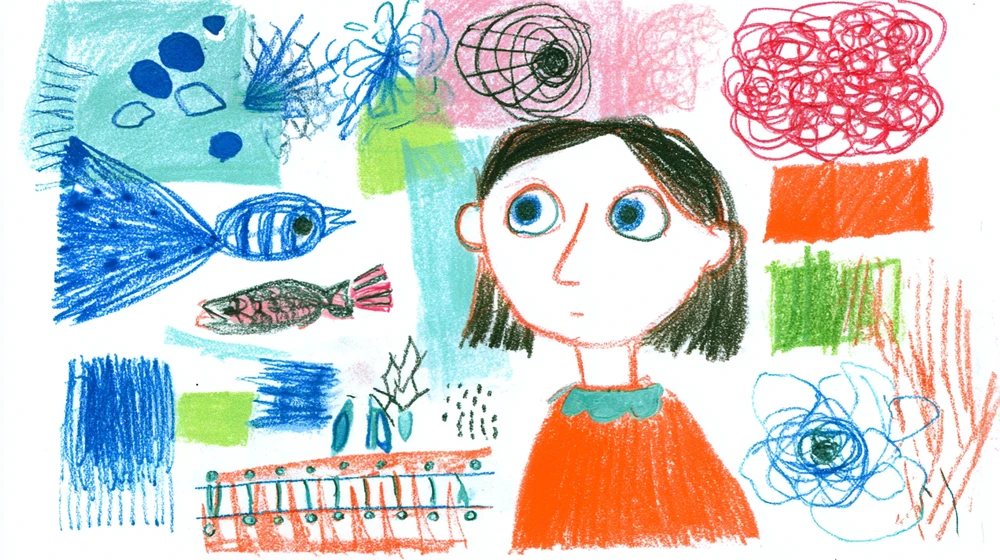
Waxy strokes, wobbly lines and bright simple shapes, as if a child drew it, written as childlike crayon illustration.


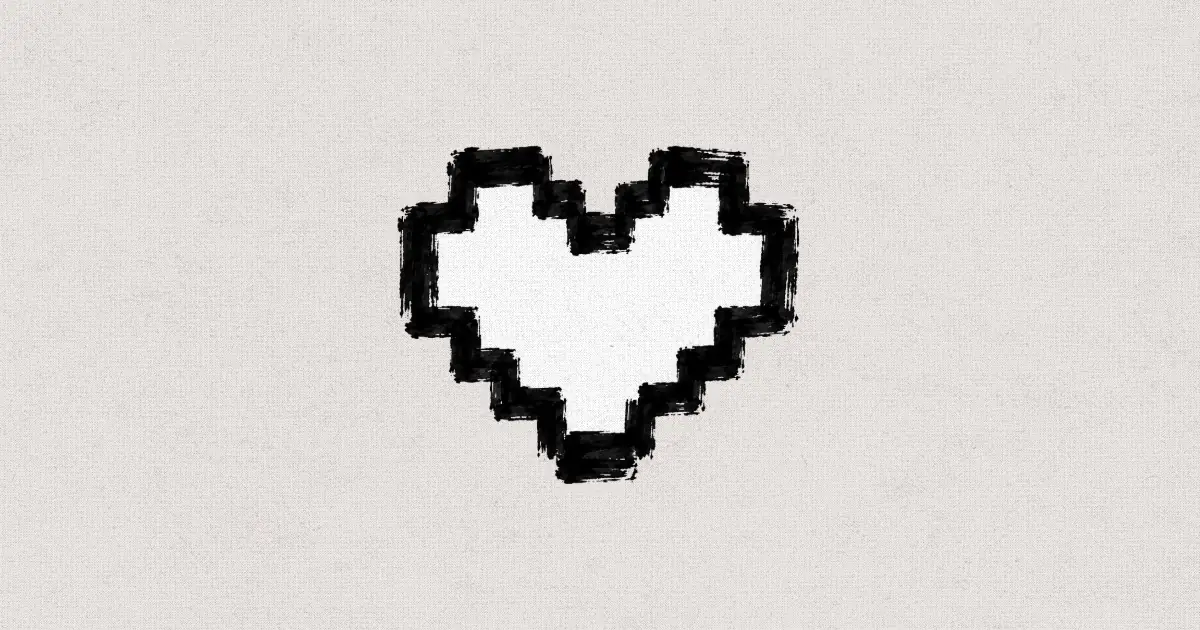
Square pixels you can see, with a limited palette and careful light, which suits game scenes and loops, with pixel art, detailed, muted palette.


An angled view with no vanishing point, so every building keeps its size, called up with stylized isometric illustration.
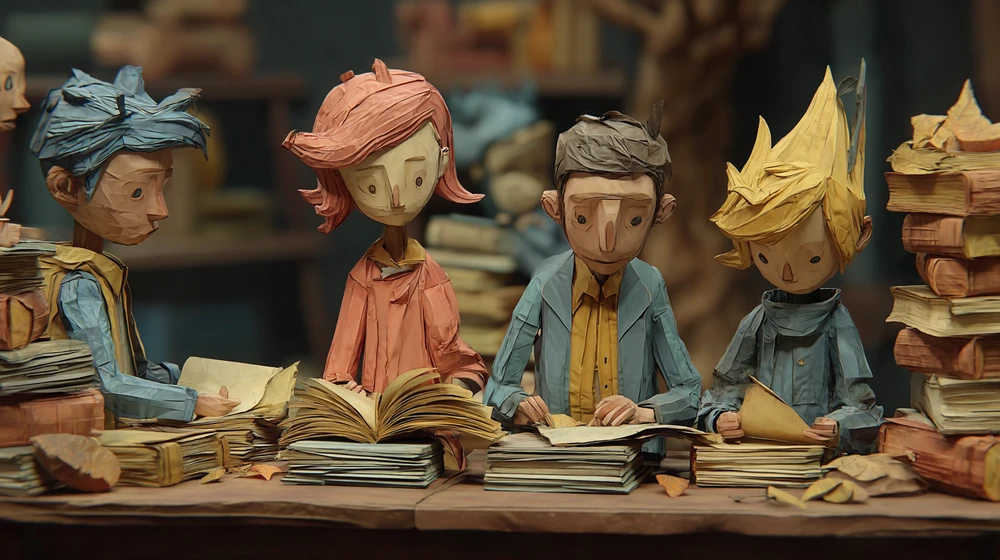
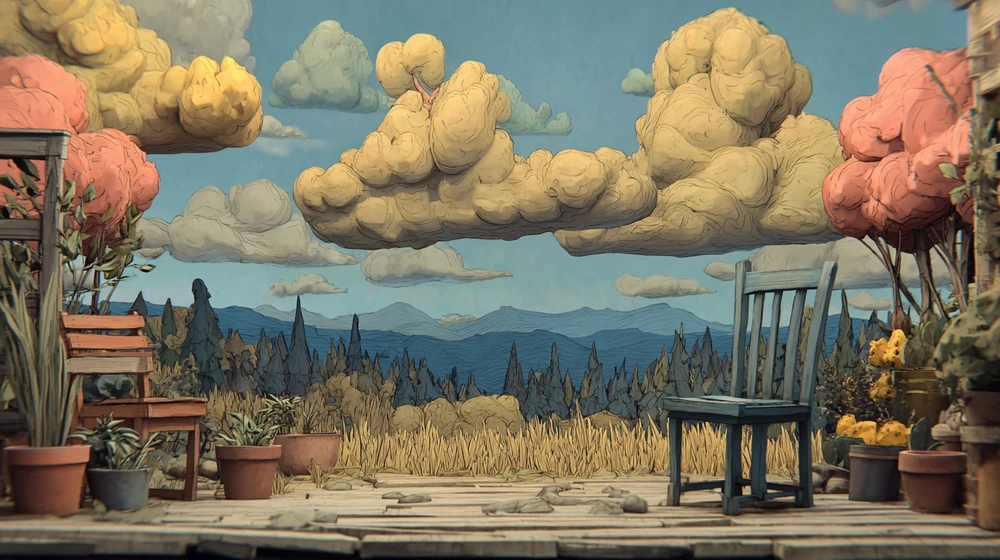
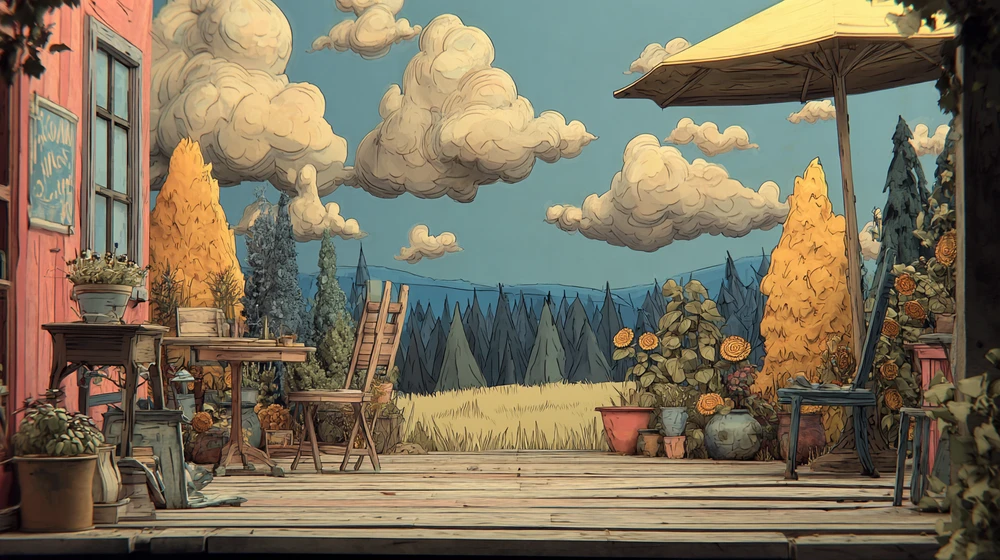
Layered, folded paper with visible creases in real light, like a handmade set, written as textured paper sculpture, layered paper.
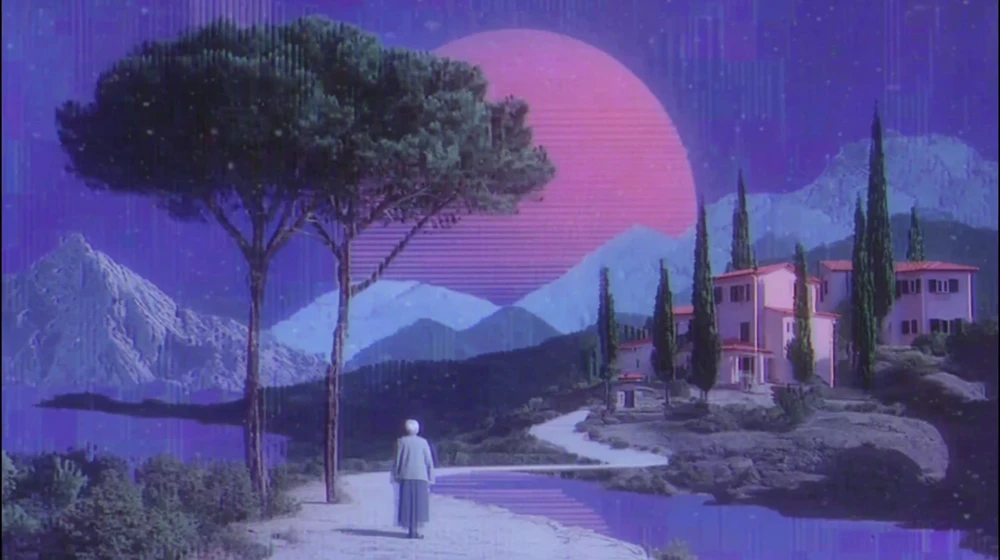
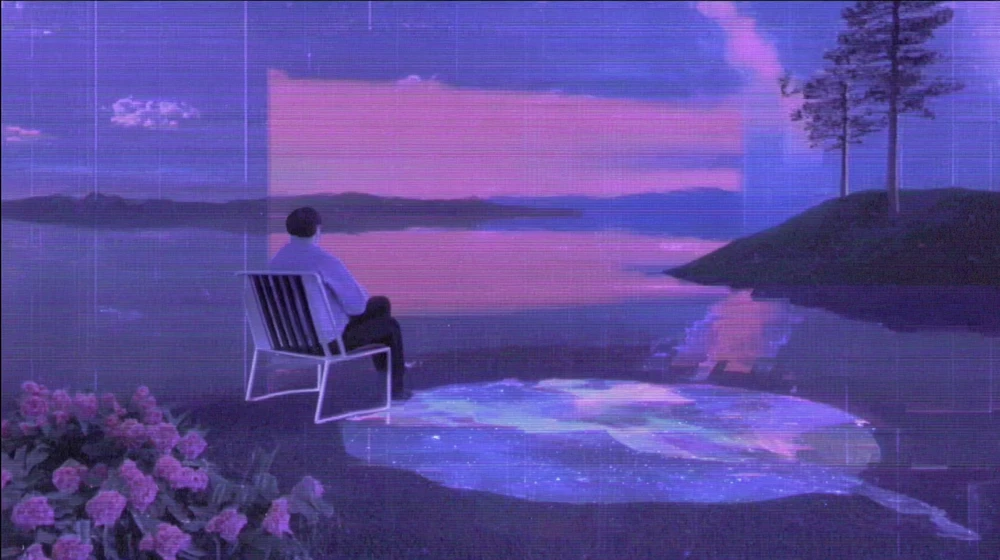
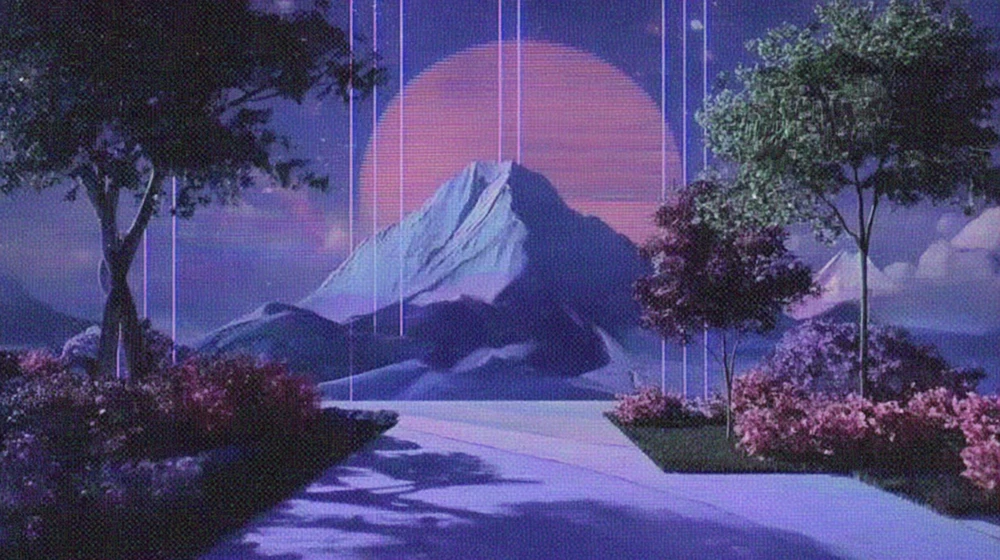
Saturated purples and pinks, grids and a dreamy, retro-futuristic mood, with retro vaporwave art.


Hard light, deep shadow and a sense of tension, as in classic crime films, called up with film noir, high contrast, dramatic shadows.
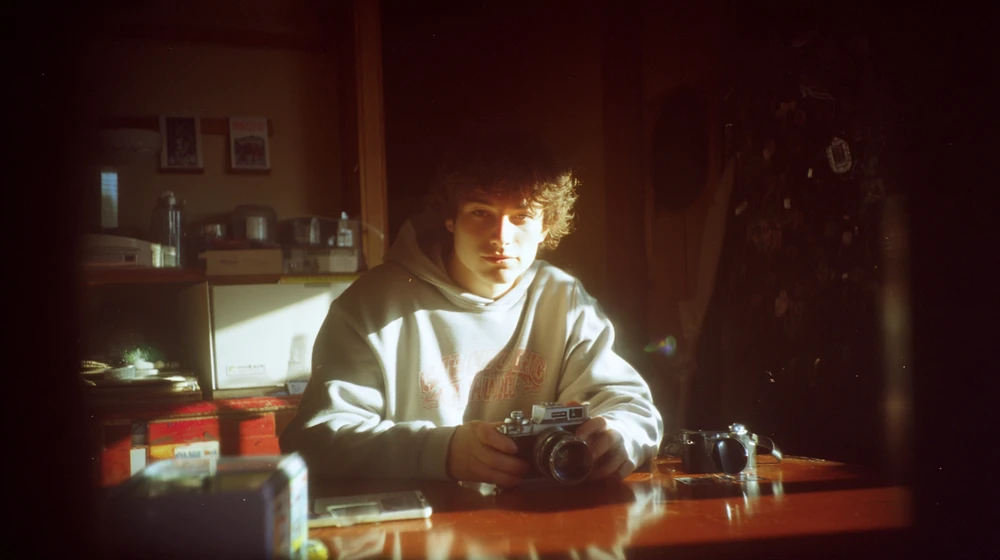
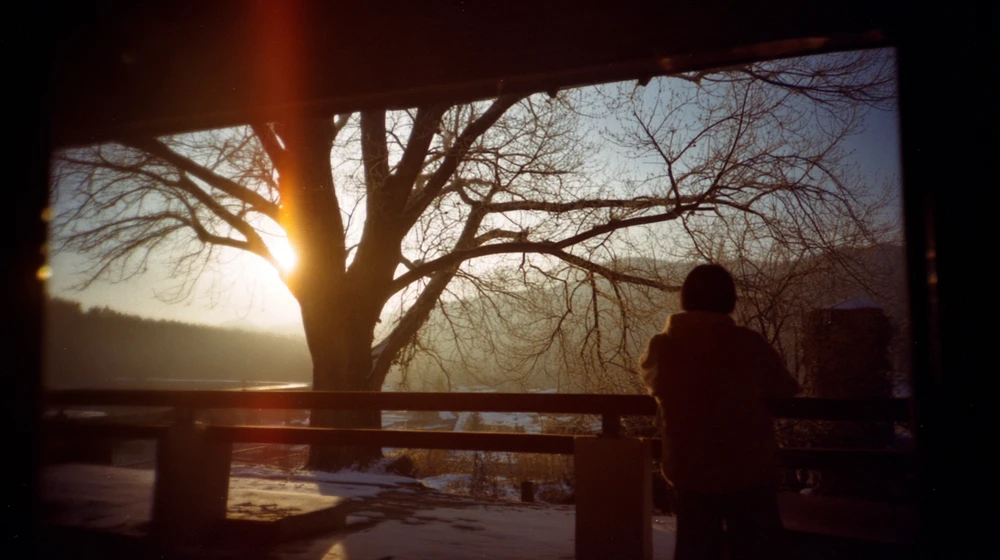
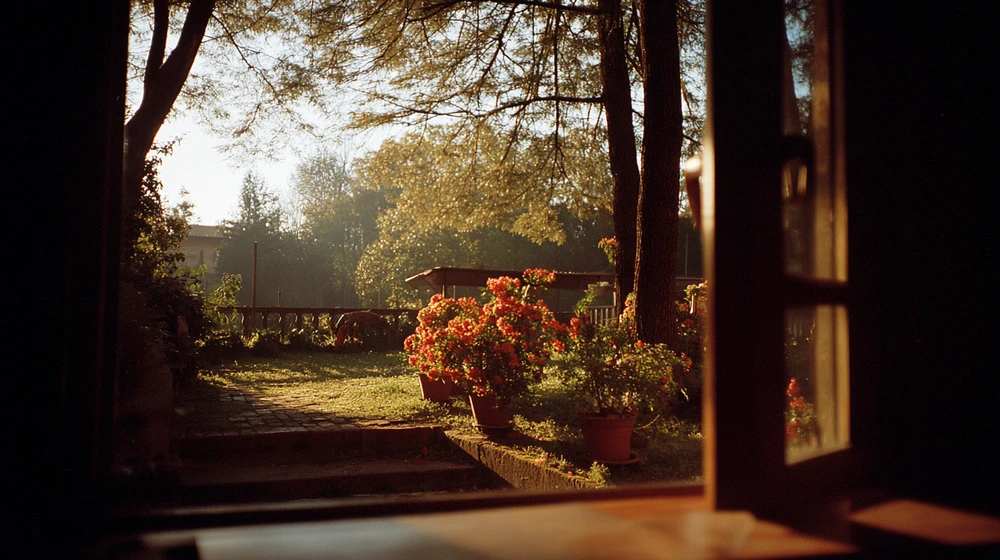
Dramatic light and a graded, story-like frame, as if paused from a film, with cinematic film photography, moody lighting.
For more film looks, see the old film effect guide.
Choose the family first, such as painting for warmth or film looks for drama, then the one style in it that suits your story and your audience.
Put the medium, the line and the palette in one sentence, such as loose watercolor, thin ink outlines, pale washes, and add what to avoid, like photorealistic.
In Flick, add a visual style from Flickpedia to your prompt, so the model sees reference images of the look as well as reading its name.
Make one image and check the look, then keep the same style line and reference on every image, so a whole story or series stays in one style.
Photorealism, anime, watercolor, oil painting, pixel art, comic book and 3D render appear on most lists of AI art styles. Which works best depends on what you are making and who it is for.
Name the medium, the line and the palette in your prompt, such as two-color linocut or loose watercolor with thin ink outlines. Attaching a reference image in that style makes the result much more consistent.
There is no fixed number, since every movement, medium and artist can become a style. Flickpedia holds hundreds of visual styles grouped into cinematic, illustration, painting, drawing, 3D, anime and cartoon.
Yes. Reuse the same style line and the same reference image in every prompt, and check each new image against the first one, so a series or a whole film stays in one look.
A filter changes a finished image, while an art style shapes how the image is made, from its lines to its light. Asking for a style in the prompt gives a result that looks drawn or painted rather than processed.
Yes. In Flick you can make a first image in a style and animate it, which keeps the look in motion for a short film, an ad or a music video.
Choose one look from Flickpedia, attach it to your prompt and keep it on every shot of your story.
Try for free, no credit card required.
Ask AI about this page:ChatGPTPerplexityClaude