So erzielen Sie einen 35-mm-Film-Look in KI-Videos

Ein 35-mm-Film-Look entsteht aus fünf Elementen zusammen: Filmkorn, Halation (das warme Leuchten um helle Lichtquellen), Filmstock-Farbe, Weichzeichnung der Linse und 24fps-Bewegung. Fügen Sie alle fünf in eine Look-Zeile ein.

Dieser Leitfaden basiert auf:

  • 9.589 gelesene Prompts
  • 28 von 65 Filmen verlangen einen Film-Look
  • 17 Aufnahmen mit ihren Prompts
Eine Tuschezeichnung einer Filmrolle mit abspulendem Streifen

Die meisten KI-Videos verfehlen den 35-mm-Film-Look: Sie sind zu scharf, zu sauber, zu glatt in der Bewegung, und ein nachträglich aufgelegter Körnung-Filter lässt sie einfach nur gefiltert aussehen. Wir haben alle 9.589 Prompts aus den 65 Team- und Residency-Filmen mit öffentlichen Canvases auf Flick gelesen: 28 dieser Filme fordern in Worten einen Film-Look an, und 2.399 der Prompts fordern Filmkörnung an. Dieser Leitfaden verwandelt das, was diese Filmemacher geschrieben haben, in fünf Elemente, sechs Schritte und eine Look-Zeile, die man in jeden Prompt einfügen kann, mit 17 zugeordneten Aufnahmen und den Prompts, die sie erzeugt haben.

Eine 35-mm-Film-Look-Zeile zum Kopieren

Füge diese Zeile am Ende eines beliebigen Video-Prompts ein, um alle fünf Elemente auf einmal anzufordern.
shot on 35mm film, fine film grain, gentle halation, muted warm color grade, slight lens softness, shallow depth of field, 24fps, 180-degree shutter motion blur
Bedeutung:Auf 35mm Film gedreht mit Filmkorn, warmer Farbgebung, geringer Schärfentiefe und natürlicher Bewegungsunschärfe.

Was sind die fünf Elemente eines 35-mm-Film-Looks?

Körnung, Halation, Film-Farbgebung, Objektivweichheit und 24-fps-Bewegung.
ElementWas du siehstWörter, die in Flick-Filmen funktioniert habenNachweis
KörnungZufällige Textur, am stärksten in Schatten, neu in jedem Bildanalog film grain texture; heavy film grainSiehe echte Körnungs-Aufnahme
HalationRot-orange Streuung, die von hellen Lichtern ausblutetgentle halation; halation around streetlightsSiehe echte Halation-Aufnahme
FarbeWeiche Lichter, angehobene oder abgesenkte Schwarztönebleach bypass; faded analog color; cinematic film stockSiehe echte Farb-Aufnahme
WeichheitSanfte Schärfe, geringe Schärfentiefe, Vignetteslight lens softness; shallow depth of fieldSiehe echte Weichheits-Aufnahme
Bewegung24fps, 1/48 s Bewegungsunschärfe, Gate Weave (leichtes Bildwackeln von Frame zu Frame)24fps; 180 degree shutter motion blurSiehe echte Bewegungs-Aufnahme

Warum sieht Filmmaterial körnig aus?

Filmkorn ist Textur im Bild selbst und verändert sich in jedem Frame.

Flick-Filmemacher fordern Korn in Worten an, oft zweimal: einmal als Textur, einmal um es stabil zu halten.

Mehr Details
  • Am stärksten in Mitteltönen und Schatten
  • Ein neues zufälliges Muster 24 Mal pro Sekunde
  • Ein flacher digitaler Rauschfilter liegt über dem Bild, daher wirkt es selten wie Film

Jeder Frame besteht aus lichtempfindlichen Kristallen und Farbstoffwolken. Sie landen in einem unterschiedlichen zufälligen Muster auf jedem Frame, weshalb echtes Korn sich bewegt.

Digitales Sensorrauschen ist feiner und regelmäßiger und zeigt sich vor allem als farbige Sprenkel in dunklen Bereichen.

Handheld grainy clip of a woman in a white dress walking to a sunlit window
Erster Frame: Handheld grainy clip of a woman in a white dress walking to a sunlit window
Erster Frame
00:05

Starkes Filmkorn, dann die Action

Fünf Worte für den Look, dann die Action.

heavy film grain. handheld camera. walks towards window and looks up directly at the sun
a slow kind of still, Regie: Hannah L.
Bedeutung:Starkes Filmkorn und Handkamera, Person geht zum Fenster und blickt direkt in die Sonne hinauf.

Was ist Halation und warum signalisiert es Film?

Halation ist das warme rot-orange Leuchten, das von hellen Lichtern auf Film ausblutet.

Diese Aufnahmen setzen einen Scheinwerfer, Straßenlaternen oder eine Windschutzscheibe ins Bild und fordern Halation oder Bloom namentlich an.

Mehr Details
  • Zeigt sich um Lampen, Fenster und spiegelnde Highlights
  • Sanfte Halation wirkt wie Film; starke Halation wirkt vintage oder wie forciertes Material
  • Es benötigt eine harte Lichtquelle im Bild, um sichtbar zu werden

Starkes Licht durchdringt die Emulsion, prallt von der Filmbasis ab und belichtet die rotempfindliche Schicht ein zweites Mal.

Kinomaterial hat eine Rückschicht, die dies begrenzt, weshalb ein leichtes Glühen natürlich wirkt und ein starkes absichtlich.

Man by a black sports car on a rainy highway at night, 35mm anamorphic grain and halation
Erster Frame: Man by a black sports car on a rainy highway at night, 35mm anamorphic grain and halation
Erster Frame
00:15

Halation um Straßenlaternen in einem 1987-Look

Die Nennung eines Jahres und eines Formats (1987, 35mm anamorphisch) gibt dem Modell einen ganzen Look als Ziel vor, nicht nur einen einzelnen Effekt.

Create an exactly 15-second cinematic sequence in 2.39:1 widescreen at 24fps.

REFERENCE IMAGE:
Use the attached image as the exact visual reference for:

- The protagonist
- His battered black early-1980s wedge-shaped sports car
- The enormous brutalist tower
- The concentric elevated highways
- The retro-futurist city architecture
- The physical rain and smoke
- The established color palette

Preserve the protagonist’s exact face, curly dark hair, distressed brown leather jacket, off-white T-shirt, black driving gloves and scratched silver medallion.

Do not redesign, replace or modernize anything.

VISUAL STYLE:
A lost big-budget 1987 action-fantasy film photographed on 35mm anamorphic film.

Practical city miniatures combined with full-size foreground sets. Coarse organic film grain, subtle gate weave, halation around streetlights, physical rain, atmospheric smoke and realistic wet surfaces.

Color palette:

- Sodium-vapor amber
- Muted cyan
- Faded magenta
- Deep photographic blacks

The image must feel tactile, constructed and photographed. It must never resemble clean contemporary CGI.

TIMED ACTION:

00:00–00:03
Begin close behind the parked black car.

Rain strikes the roof and runs down the rear glass. The engine idles unevenly, causing a subtle vibration through the car.

The protagonist stands beside the driver’s door with his back to the camera, staring into the distance.

00:03–00:06
The camera begins a slow physical crane upward and forward over his shoulder.

He remains almost motionless. Wind moves the bottom of his wet leather jacket.

The first elevated highway becomes visible beneath him.

00:06–00:10
As the camera continues rising, reveal multiple circular elevated highways surrounding the city.

Dozens of period-correct 1970s and early-1980s cars race along the wet roads toward the center.

Their headlights form moving rings around the architecture.

The protagonist and his car gradually become smaller at the bottom of the frame.

00:10–00:12
The enormous brutalist tower is fully revealed at the center of the city.

The tower dominates the composition. It feels severe, ancient, industrial and physically constructed.

Every level remains dark except for one tiny warm illuminated room at the summit.

00:12–00:15
Without cutting, begin a powerful continuous optical zoom toward the summit.

The camera travels visually across the circular highways, through atmospheric smoke and up the face of the tower.

The illuminated room grows rapidly from a tiny point into the dominant image.

Continue zooming directly into the warm light until it fills the entire frame.

End on a full frame of softly blooming amber-white light.

Do not cut back to the protagonist.

Do not reveal the room’s interior.

CAMERA:
The entire sequence is one uninterrupted shot.

Begin as a controlled physical crane movement. At 00:12, transition smoothly into a forceful period-style optical zoom toward the tower’s summit.

The zoom should resemble an ambitious 1980s combination of:

- Long zoom lens photography
- Optical printer enlargement
- Miniature photography
- Subtle concealed perspective transitions

The zoom must remain cinematic and legible. It should not resemble a modern drone flight, digital tunnel effect or artificial hyperspace movement.

A small increase in 35mm grain during the extreme enlargement is desirable and period-authentic.

AUDIO — ABSOLUTELY NO MUSIC:
Do not generate music of any kind.

No score.
No synthesizer.
No drums.
No bass pulse.
No orchestra.
No humming.
No singing.
No musical drone.
No melodic tones.

Use only natural environmental and mechanical sounds:

- Rain striking the car
- Uneven engine idle
- Wind across the elevated roadway
- Wet tires moving on distant highways
- Distant traffic echoes
- The protagonist’s jacket moving

As the zoom accelerates, the traffic and engine sounds gradually become distant and muffled.

Introduce only a natural rushing-air sound caused by the camera’s rapid visual movement.

As the light fills the frame, reduce everything to near silence.

AVOID:
A cut back to the protagonist, revealing the room’s interior, modern cars, modern skyscrapers, smartphones, LED billboards, flying vehicles, digital HUDs, excessive neon, cyberpunk clutter, smooth drone movement, digital tunnel effects, hyperspace effects, synthetic CGI surfaces, changing the protagonist’s face or clothing, generated music, readable text, logos, subtitles or watermarks.
The Miracle, Regie: Sam Wasserman
Bedeutung:Ein Mann steht im Regen neben seinem Auto, die Kamera hebt sich und zoomt auf ein beleuchtetes Fenster im brutalistischen Turm, alles im Stil eines achtziger Jahre Films.

Wie unterscheidet sich Filmfarbe von digitaler Farbe?

Jedes Filmmaterial hat seine eigene Lichtreaktion, und das Labor verändert sie erneut.

Flick-Filmemacher nennen einen Prozess, ein Format oder ein Material und fixieren dann die Palette, damit jede Einstellung zusammenpasst.

Mehr Details
  • Lichter rollen sanft ab, anstatt zu clippen
  • Schwarztöne wirken leicht angehoben oder abgesenkt
  • Bleach Bypass senkt die Sättigung und erhöht den Kontrast

Jedes Material neigt zu seiner eigenen Palette. Laborprozesse verschieben sie weiter: Bleach Bypass lässt Silber im Bild zurück, sodass Farben gedämpft werden und der Kontrast steigt.

Leerer Sandstrand unter einem dunstigem Himmel mit einer warmen ausgewaschenen Bleach-Bypass-Gradierung

Bleach Bypass mit fixierter Palette

Der Look wird zuerst benannt: ausgewaschen warmer Film mit einem Bleach-Bypass-Cross-Processing-Look.

# Beach Ref: The Beach

A wide empty stretch of sandy beach at midday, warm pale sand in the foreground with scattered footprints, gentle surf breaking at the shoreline on the left, dune grass and a low sandy rise in the background, a huge hazy sky above. Empty, quiet, no people. Faint wall of tan haze building far on the horizon hinting at an approaching sandstorm. Washed out warm film with a bleach bypass cross processed look, faded reds, milky whites, golden nostalgic sunlight, dreamlike remembered mood. Cinematic wide establishing shot, soft grain, atmospheric haze.

Palette (exact hex): bright aqua #5FC6C2, dusty coral #E8A87C, warm sand #F2C896, hazy sky blue #C4D4D0, bleached white #F0E6C8.
Lifeguard, Regie: Owen Doerr
Bedeutung:Ein leerer Sandstrand bei Tageslicht mit sanften Wellen und Dünen, verblasst im nostalgischen Cross-Processing-Look, ein Sandsturm naht am Horizont.

Warum sieht Filmmaterial weicher aus als digital?

Filmmaterial wirkt sanfter aufgrund der Objektive und des Formats zusammen.

Hier leistet ein Flickpedia-Stil die meiste Arbeit: Er trägt den Objektivcharakter, sodass der Prompt die Szene beschreiben kann.

Mehr Details
  • Vintage- und anamorphotische Objektive
  • Geringe Schärfentiefe
  • Leichte Vignettierung und Lens Flare
  • Schärfe nimmt zu den Rändern hin ab
Nahaufnahme eines Himalaya-Mannes im warmen Fensterlicht mit sanft verschwommener Küche

Geringe Schärfentiefe mit angewendetem Film-Stil

Erstellt mit dem angewendeten Stil Cinematic Film Photography.

Stil: Cinematic Film Photography

Photoreal cinematic close up portrait of Tenzin, a 28 year old Himalayan mountain man, warm brown skin, strong cheekbones, dark warm eyes with fine lines, thick black hair, short beard. Tender, thoughtful, loving expression. Handwoven wool collar visible at his shoulders. Soft warm window light, blurred stone and timber kitchen background. Natural color cinematic film photography, shallow depth of field, 16:9.
Seasons, Regie: Raj Rishi More
Bedeutung:Tenzins Nahaufnahme mit zartem, liebevollem Ausdruck, kurzem Bart und weichem Fensterlicht vor verschwommenem Küchenhintergrund.

Welche Bildrate und welcher Shutter lassen Video wie Film aussehen?

Film läuft mit 24 Bildern pro Sekunde bei einem 180-Grad-Shutter, sodass jedes Bild für 1/48 Sekunde belichtet wird.

In Video-Prompts schreiben Flick-Filmemacher diese wie Kameraeinstellungen: 24fps, 180-Grad-Shutter, Echtgeschwindigkeit.

Mehr Details
  • Diese Belichtung bestimmt die Bewegungsunschärfe
  • Gate Weave fügt ein leichtes Bild-zu-Bild-Wackeln hinzu
  • Handheld-Drift oder ein starr fixierter Frame vervollständigt den Look
Old man carrying steaming dumplings through a firelit kitchen toward a blizzard00:15

180-Grad-Shutter bei voller Echtgeschwindigkeit

Bewegung wird wie eine Kameraeinstellung angegeben: Shutter-Winkel, Geschwindigkeit und wie der Kameramann die Kamera hält.

@Tenzin, Age 72 - Winter 2024 is a tired 70-year-old Himalayan man (Tenzin, charcoal knit cap, grey scarf, dark puffer jacket) carrying two plain ceramic plates, one in each hand, each with a small mound of thin-skinned steamed momos (low pleats, normal size, not thick buns), both pluming thick steam. @Himalayan Kitchen, Evening Light is the style reference for the stone-and-timber kitchen: cast-iron stove burning at frame left, and at the far end a timber door standing FULLY OPEN onto a raging white blizzard. Extend the world freely, do not reproduce it 1:1. Three hard-cut shots.

Shot 1 (0-5s): tight high three-quarter on the counter, his hands slide under both plates and lift them together, thick warm steam rolls upward, hands tremble faintly then steady, he turns away from camera.
Shot 2 (5-10s): close on his face in three-quarter profile as he walks, plates at chest height, steam fogging past his mouth, heavy-lidded exhaustion and a slow blink, he glances down at the plates once then ahead at the door, cold blue light climbing his face as the warm stove light drains off his back.
Shot 3 (10-15s): wide from deep inside, the open doorway a violent white rectangle centre frame, he walks away small against the storm, at the threshold the steam is torn off both plates, wind drives snow across the floorboards, he crouches with one hand on the door frame and sets exactly ONE plate on the porch boards, straightens still holding the second plate, and stands with his back to camera looking into the whiteout.

Camera stays INSIDE the house the whole time and never crosses the threshold or follows him out, handheld with fine drift, 180 degree shutter motion blur, full real speed no slow motion. Warm amber stove firelight dominant, deep near-black interior shadow, cold blue-white overexposed storm light through the doorway. Nothing outside moves, porch and yard empty. Face tired and neutral, no tears, no turning to camera, no dialogue. Second plate stays visible in his hand at the end. Ambient only: crackling stove, steam hiss, howling wind and snow at the door, no music.
Seasons, Regie: Raj Rishi More
Bedeutung:Ein alter Himalaya-Mann trägt dampfende Momo-Teller durch eine dunkle Küche zur offenen Tür mit Schneesturm, steinerne rustikale Optik.

Wie erzielt man in Flick Schritt für Schritt einen 35-mm-Film-Look?

Beginne mit einem Filmstil, fixiere das Bild und wiederhole dann eine Look-Zeile in jedem Video-Prompt.
  1. Schritt 1

    Wähle einen Filmstil

    Öffne einen Filmstil in Flickpedia und klicke auf „Diesen Stil verwenden".

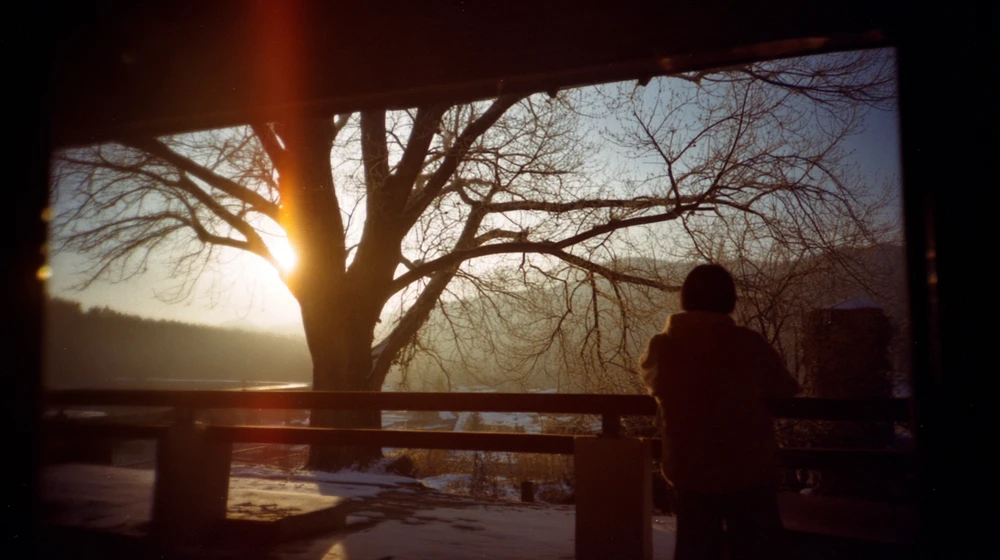
    Cinematic Film Photography: Silhouette at a window with a bare tree against a low sun
    Flickpedia-Stil · Cinematic Film Photography
  2. Schritt 2

    Generiere das Schlüsselbild

    Schreibe die Szene mit dem angehängten Stil und füge dann zwei oder drei Film-Begriffe hinzu: auf 35mm gedreht, Filmkorn, geringe Schärfentiefe.

    Smiling Himalayan woman in a maroon dress in a smoky stone kitchen, warm film color
    Seasons, Regie: Raj Rishi More · Nano Banana Pro
  3. Schritt 3

    Bearbeite das Bild

    Bearbeiten statt von vorne beginnen und benenne, was erhalten bleiben muss.

    Gilded opera house balconies full of an audience in warm sepia light with vintage grain
    Boxing at the Opera, Regie: Hannah L. · GPT Image 2
  4. Schritt 4

    Animiere das Bild

    Sende das Bild an Bild zu Video und wiederhole den Look erneut.

    Grainy black and white park where tiny visitors walk and rest around a giant seated woman
    Erster Frame: Grainy black and white park where tiny visitors walk and rest around a giant seated woman
    Erster Frame
    00:05
    La fille dans le parc, Regie: Hannah L. · Seedance 2.0 · Bild zu Video
  5. Schritt 5

    Setze die Bewegung wie eine Kamera

    Füge 24fps, 180-Grad-Shutter-Bewegungsunschärfe und echte Geschwindigkeit hinzu.

    Pink rhododendron bloom in soft focus with a hazy mountain garden behind00:15
    Seasons, Regie: Raj Rishi More · Seedance 2.5 · Referenz zu Video
  6. Schritt 6

    Verwende eine Look-Zeile wieder

    Behalte deinen Look als einen Satz und füge ihn in jeden Prompt ein, damit ein langer Film nicht von Einstellung zu Einstellung abdriftet.

    Distant wooden lifeguard tower on a hazy beach in a warm bleach bypass grade
    Lifeguard, Regie: Owen Doerr · Nano Banana Pro

Welche Flickpedia-Stile sollte man für einen 35-mm-Film-Look verwenden?

Beginne mit Cinematic Film Photography aus Flickpedia für warmes Tageslicht oder einem stimmungsvollen Nachtstil für wenig Licht.
  • 7 der 15 Stile wurden in echten Flick-Filmen verwendet, in insgesamt 80 Einstellungen
  • 8 weitere sind für denselben Look gemacht: starkes Korn, Lichtlecks, Linsenreflexe, Schwarzweiß
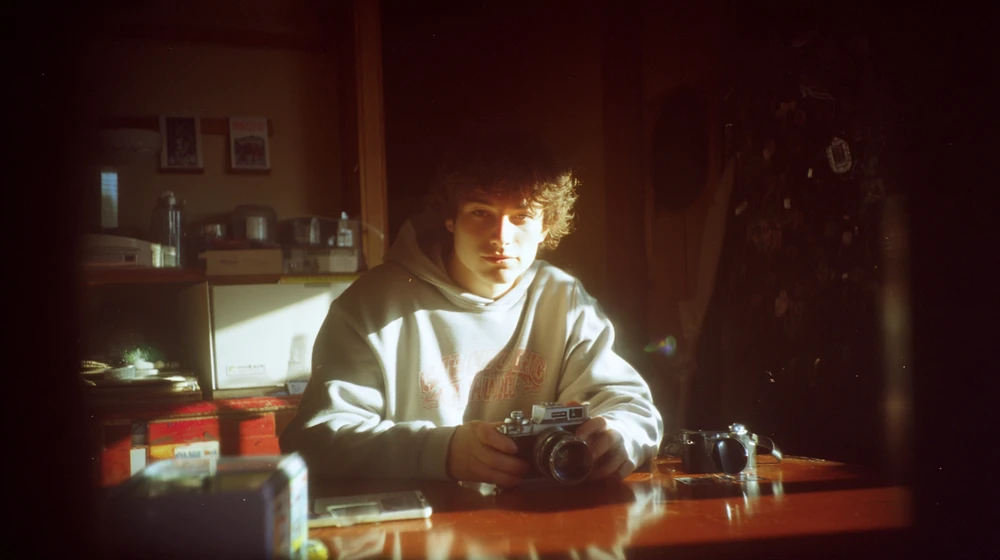
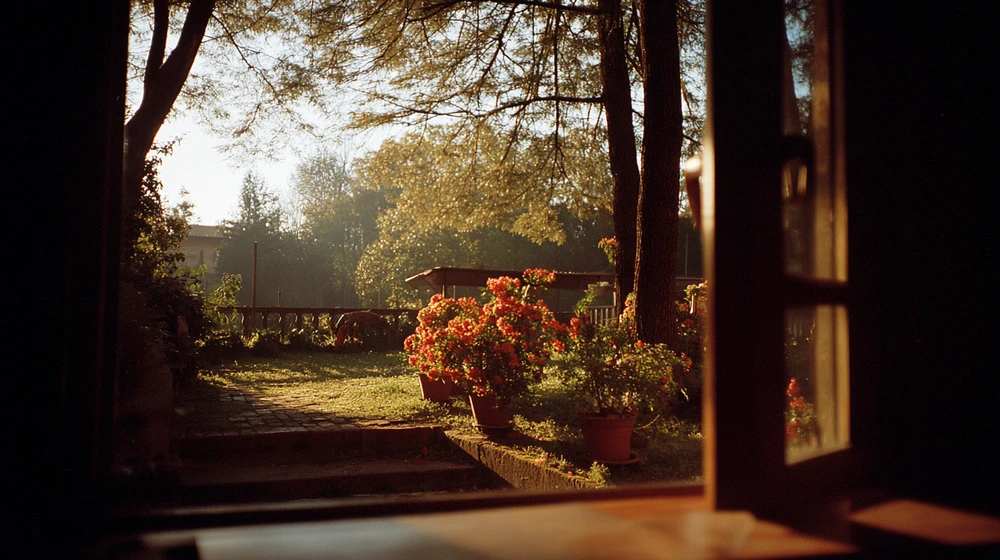
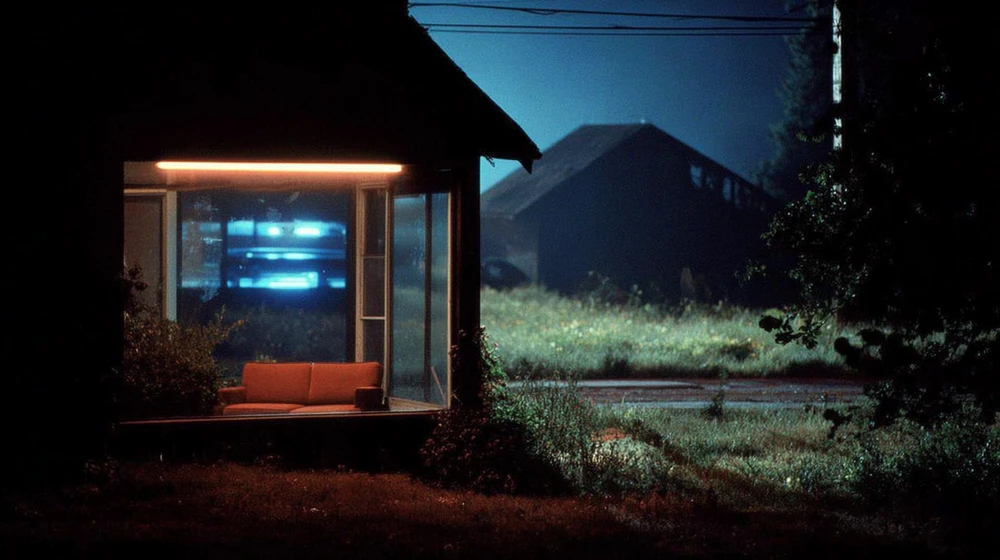
Cinematic Film Photography: Junger Mann mit lockigem Haar an einem Schreibtisch mit Filmkameras im warmen LampenlichtCinematic Film Photography: Silhouette an einem Fenster mit einem kahlen Baum gegen eine tief stehende SonneCinematic Film Photography: Offene Tür zu einem sonnigen Garten voller Blumen

Cinematic Film Photography

This style is characterized by its use of dramatic lighting, often with strong highlights and deep shadows, to create a moody and atmospheric feel.

Mehr Details

The composition and color grading evoke a sense of narrative, similar to a still from a film.

Seasons-Bild mit diesem Stil: ein Mann aus dem Himalaya in einer Steinküche

Verwendet in 29 Einstellungen von Seasons, Regie: Raj Rishi More

Diesen Stil in Flick verwenden

Moody Cinematic Photography2: Menschen versammelt um ein Lagerfeuer in der Nacht unter einer runden LampeMoody Cinematic Photography2: Drei Menschen an einem Lagerfeuer unter dunklen BäumenMoody Cinematic Photography2: Einzelne Gestalt, die in einen nebligen Wald geht

Moody Cinematic Photography2

The style is characterized by a sense of atmosphere and mood, achieved through low lighting, shallow depth of field, and a muted color palette.

Mehr Details

It often employs a composition that draws the viewer's eye into the scene, highlighting a sense of isolation or introspection.

Catch Out-Bild mit diesem Stil: eine Güterwaggontür rahmt einen Sonnenaufgang in den Bergen

Verwendet in 27 Einstellungen von Catch Out, Regie: Dr. Dreams

Diesen Stil in Flick verwenden

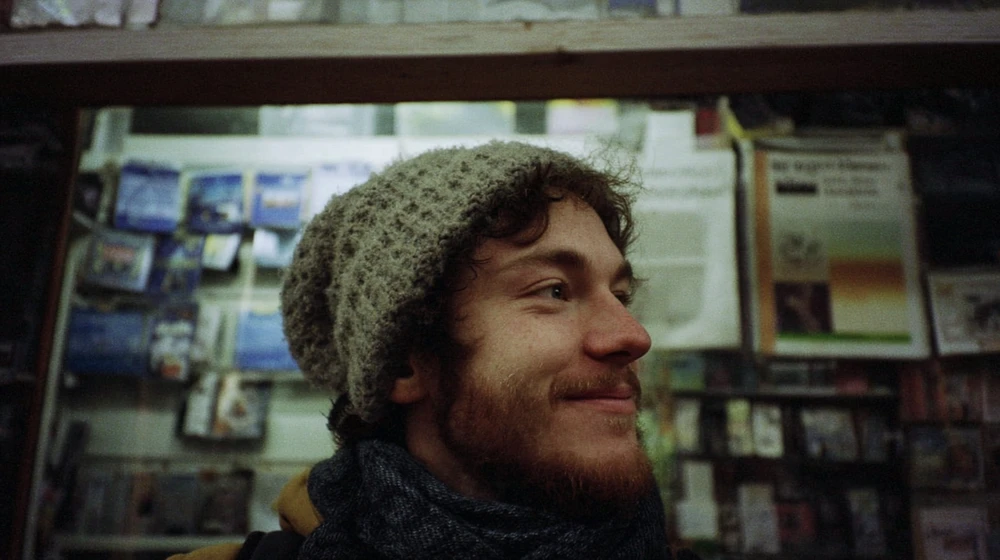
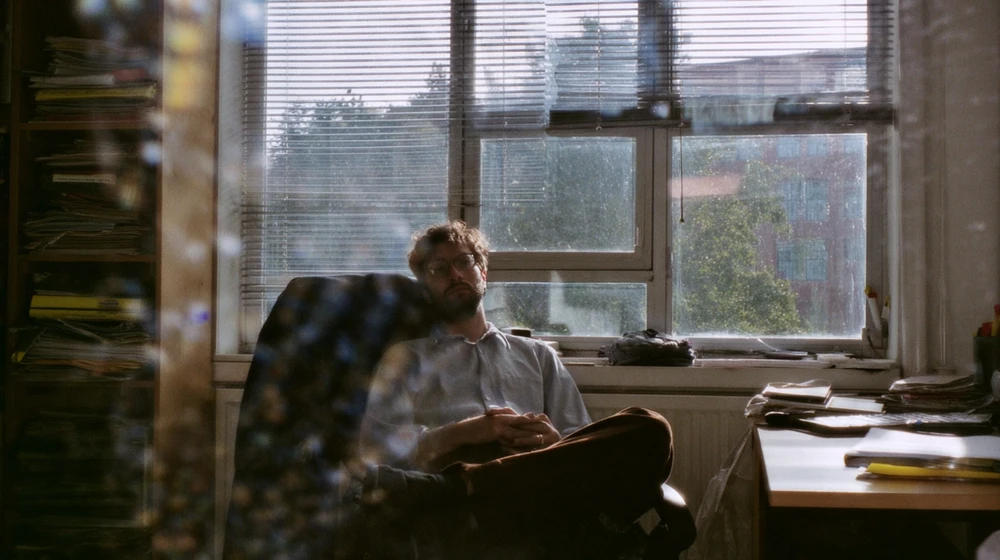
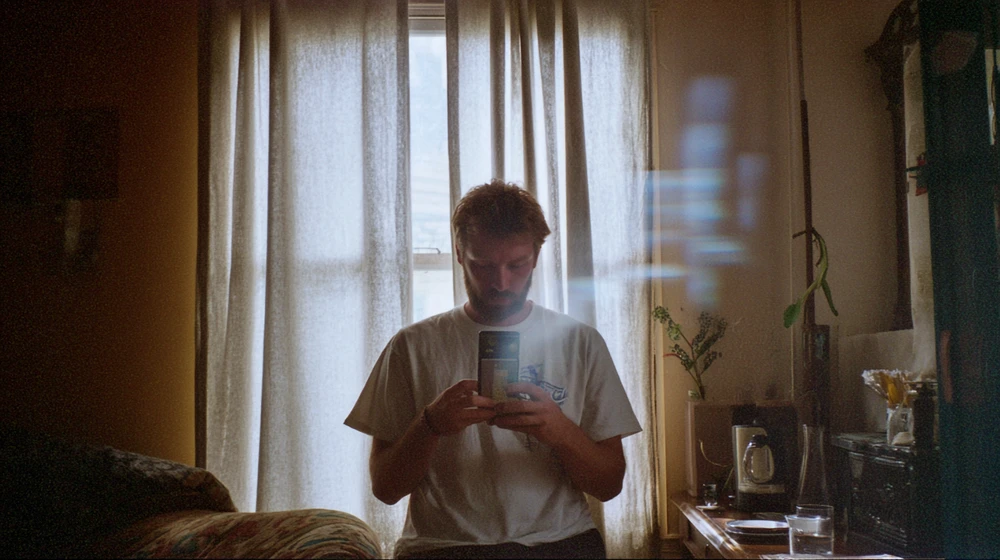
Gritty Film Portrait: Lächelnder bärtiger Mann in Strickmütze in einem vollgestellten LadenGritty Film Portrait: Mann, der in einem Sessel neben einem hellen Fenster liestGritty Film Portrait: Mann in weißem Hemd, der in einem Raum mit Vorhängen steht

Gritty Film Portrait

This style emulates the look of traditional film photography, featuring visible grain and a muted color palette.

Mehr Details

The lighting creates a dramatic, shadowy effect, highlighting textures and conveying a mood of introspection.

Catch Out-Bild mit diesem Stil: ein junger Landstreicher, der an einem Zugfenster grinst

Verwendet in 3 Einstellungen von Catch Out, Regie: Dr. Dreams

Diesen Stil in Flick verwenden

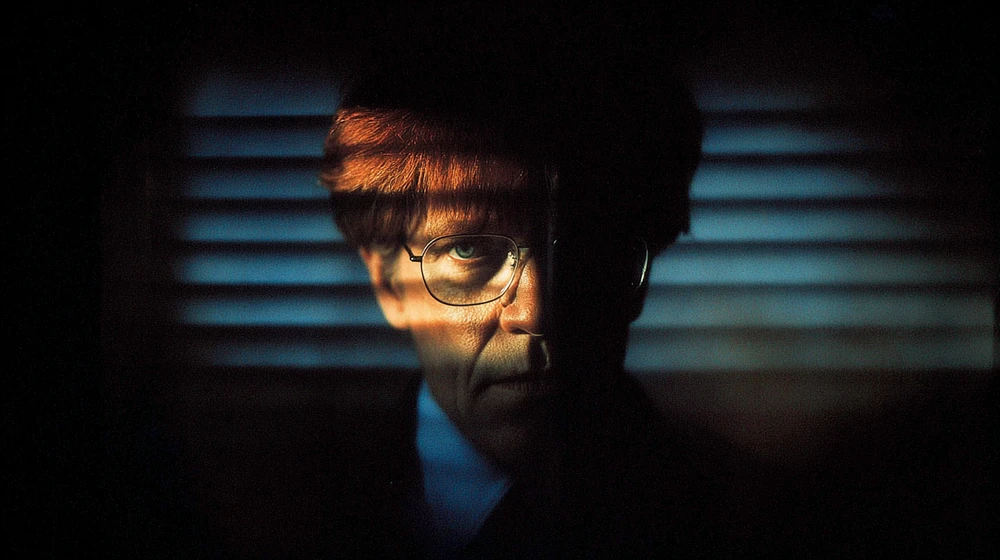
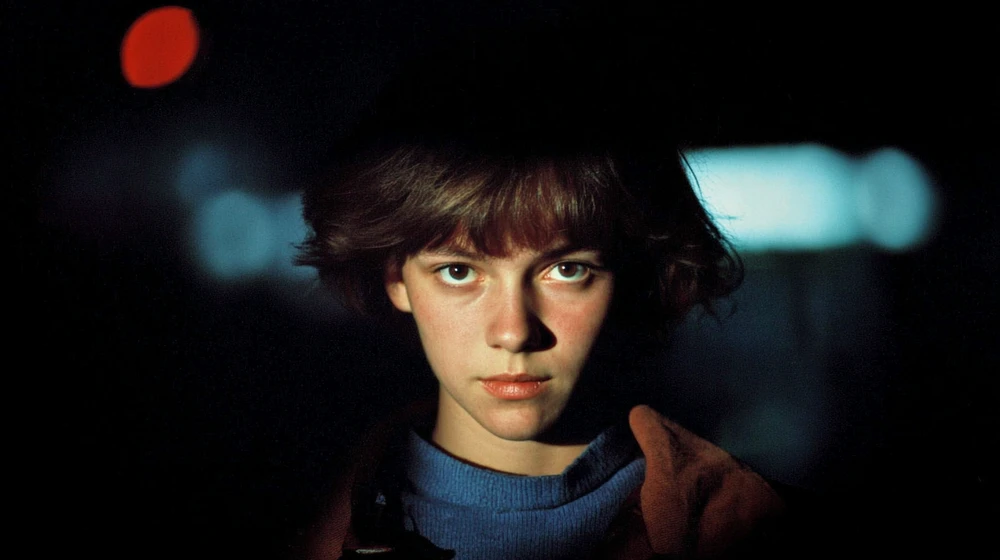
Cinematic Portraiture Film Still: Mann mit Brille, durch Jalousien in blauem Licht beleuchtetCinematic Portraiture Film Still: Gesicht eines Jungen mit rotem und türkisem Bokeh hinter ihmCinematic Portraiture Film Still: Kleines Haus, das in blauer Dämmerung leuchtet

Cinematic Portraiture Film Still

The style features dramatic lighting with deep shadows and highlights, creating a moody and evocative atmosphere, characteristic of a film still.

Mehr Details

It utilizes a shallow depth of field and muted color palettes with selective color saturation to draw focus to the subject.

Catch Out-Bild in diesem Stil: eine vom Leben gezeichnete Frau, nachts in Blau beleuchtet

Verwendet in 2 Einstellungen von Catch Out, Regie: Dr. Dreams

Diesen Stil in Flick verwenden

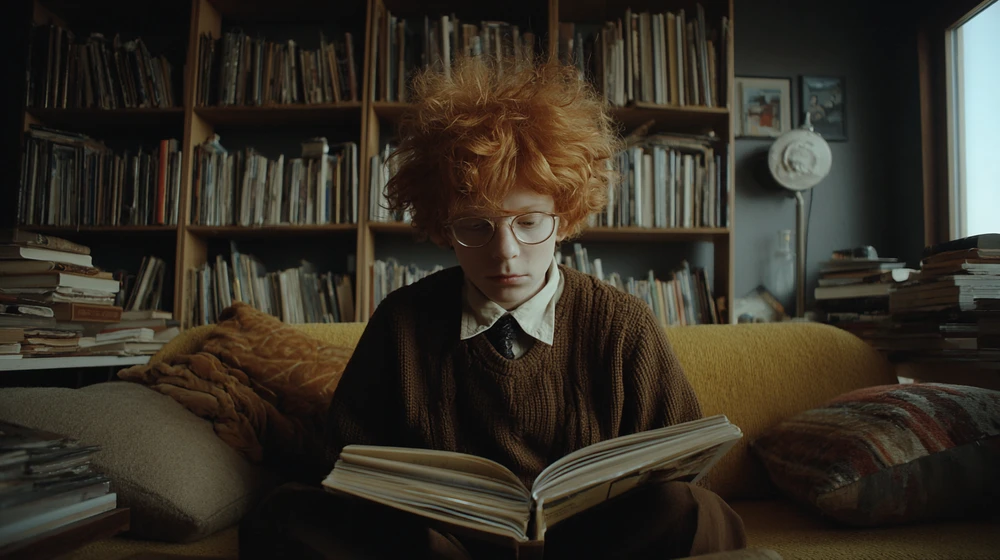
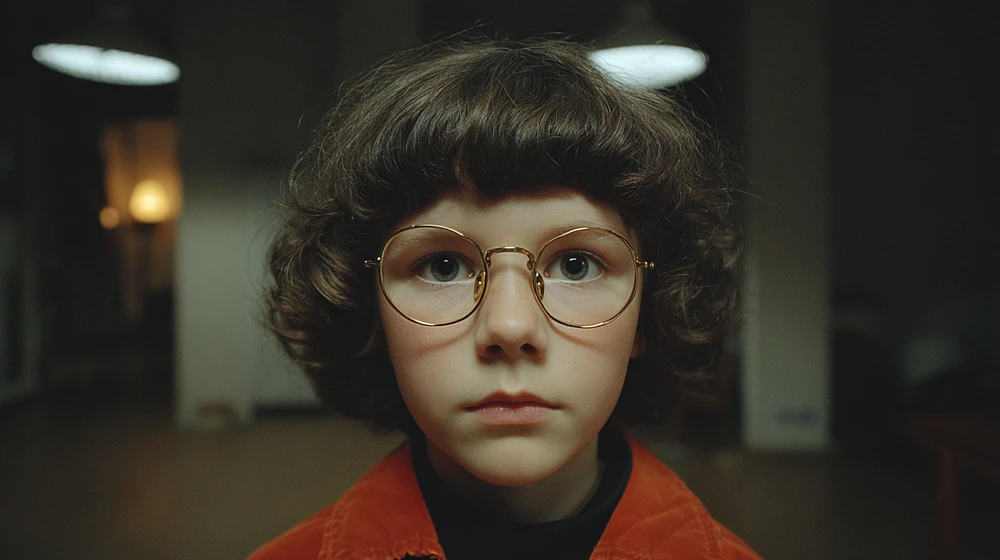
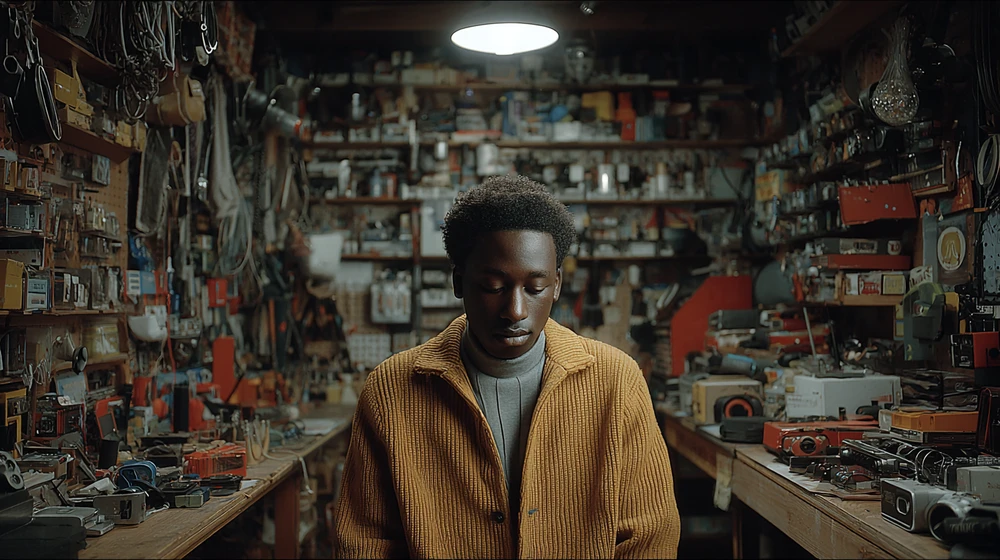
Realistic Cinematic Photography: Rothaariger Junge beim Lesen in einem Raum voller BücherRealistic Cinematic Photography: Junge mit runder Brille und rotem PulloverRealistic Cinematic Photography: Junger Mann in einer Werkstatt voller Regale und Werkzeuge

Realistic Cinematic Photography

The image exhibits a naturalistic and true-to-life representation of the scene, captured with a depth of field and lighting that evokes a filmic quality.

Mehr Details

The textures and details are rendered with a high degree of fidelity, giving it a tangible and immersive feel.

The Perfect Proposal-Bild in diesem Stil: eine Armbanduhr in extremer Nahaufnahme

Verwendet in 12 Einstellungen von The Perfect Proposal, Regie: Zhelun "Jerry" Lin

Diesen Stil in Flick verwenden

Vintage Polaroid Photo: Mann an einem Marktstand mit Obst in verblassten Sofortbild-FarbenVintage Polaroid Photo: Nasse schmale Straße zwischen alten HäusernVintage Polaroid Photo: Bahnübergang in einer regnerischen Abendstraße

Vintage Polaroid Photo

The image features the characteristic soft focus, muted colors, and subtle vignetting often associated with vintage Polaroid photographs.

Mehr Details

A slight grain and a faded, warm color cast further enhance the analog, nostalgic feel.

Character Consistency Frame mit diesem Stil: eine verblasste Strandszene mit einem Mann in Karomuster

Verwendet in 5 Einstellungen von Character Consistency, Regie: Hannah L.

Diesen Stil in Flick verwenden

Cinematic vintage: Älterer Mann in einem vollgestellten Raum voller GemäldeCinematic vintage: Mann liest Zeitung zwischen gerahmten BildernCinematic vintage: Älterer Mann sitzt in einem büchergesäumten Arbeitszimmer

Cinematic vintage

This style features a close-up perspective with a shallow depth of field, emphasizing atmospheric lighting and realistic textures.

Mehr Details

The color grading and soft focus create a mood reminiscent of film stills.

Churchill's Mum Frame mit diesem Stil: ein Gartenstudio aus Backstein im Sommerlicht

Verwendet in 2 Einstellungen von Churchill's Mum, Regie: Sandi Jerome

Diesen Stil in Flick verwenden

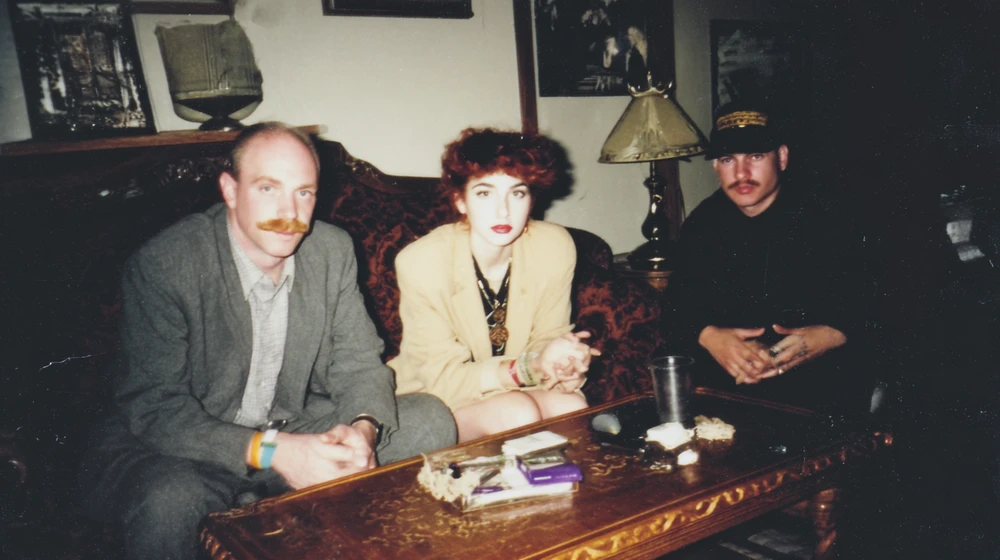
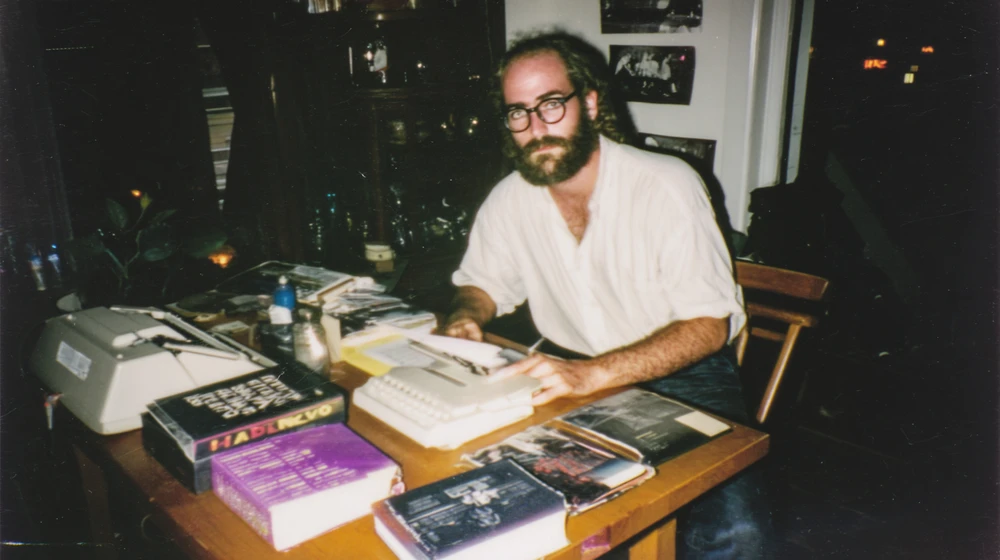
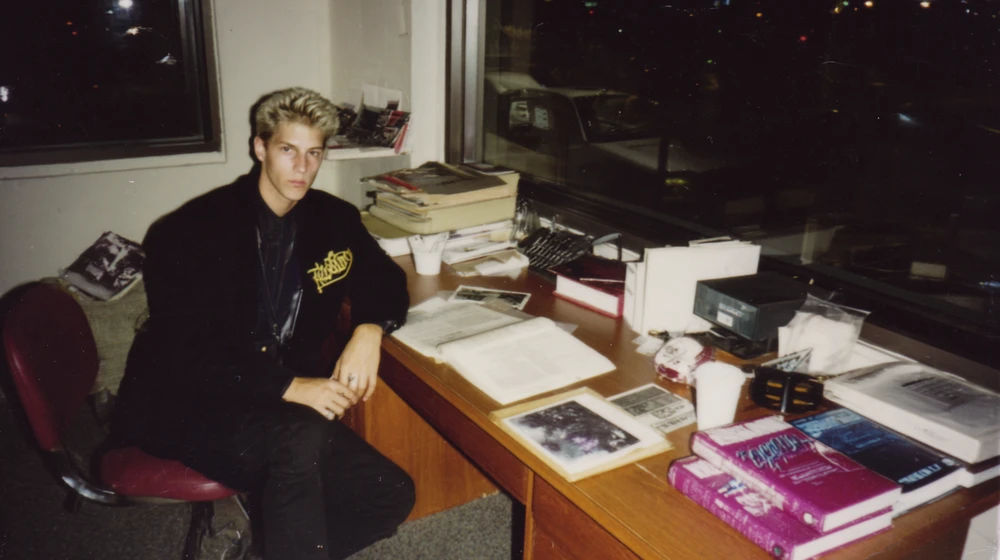
Vintage Film Grain: Drei Freunde auf einem Sofa in einem dämmrigen WohnzimmerVintage Film Grain: Bärtiger Mann schreibt an einem Schreibtisch voller BücherVintage Film Grain: Junger Mann an einem mit Papieren bedeckten Schreibtisch

Vintage Film Grain

This style mimics the appearance of old film photographs, characterized by visible grain, slight color shifts, and a worn, textured quality.

Mehr Details

The lighting appears soft and diffused, contributing to a nostalgic and atmospheric feel.

Diesen Stil in Flick verwenden

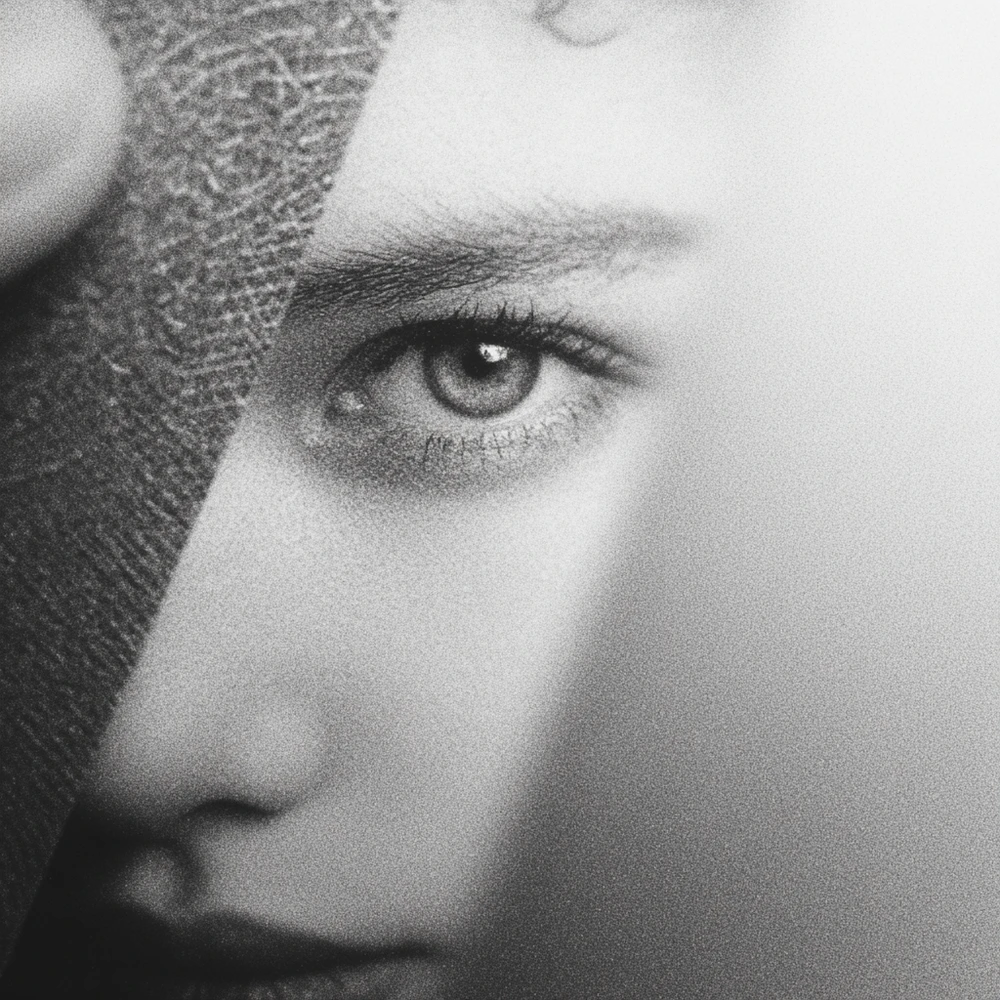
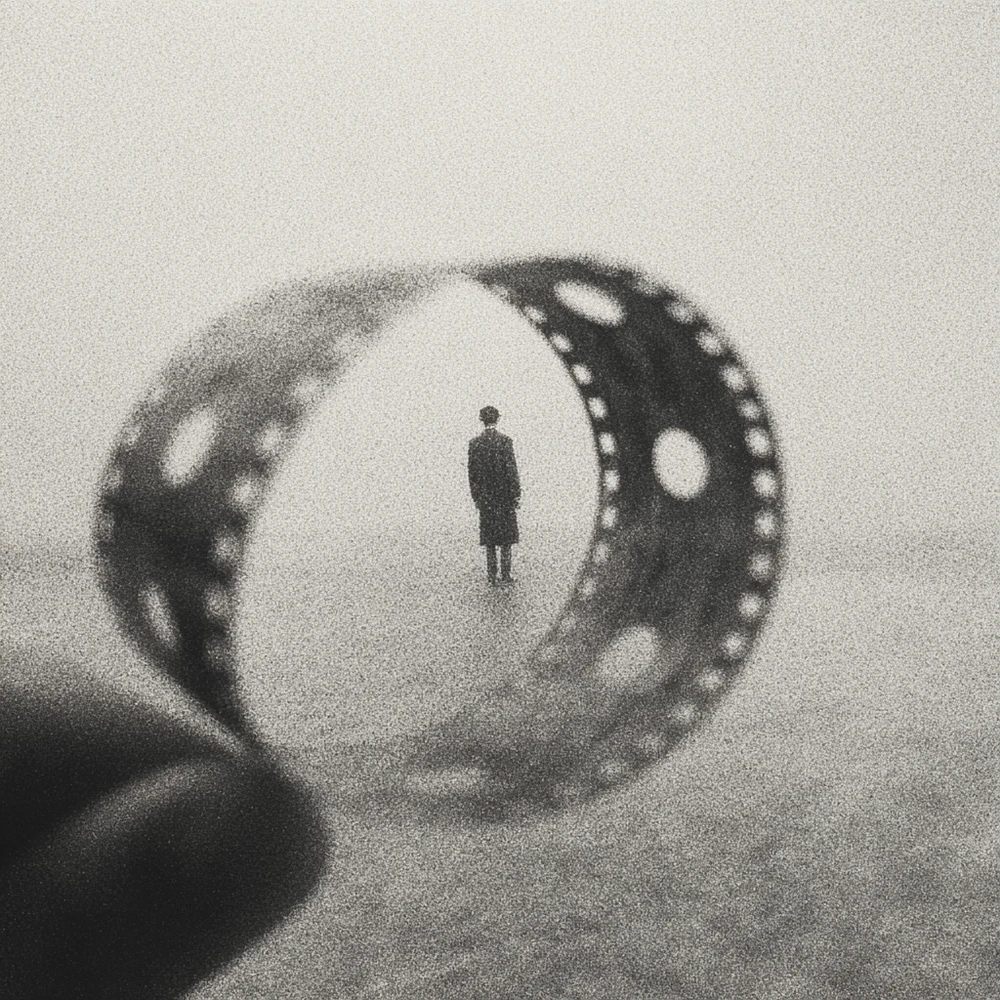
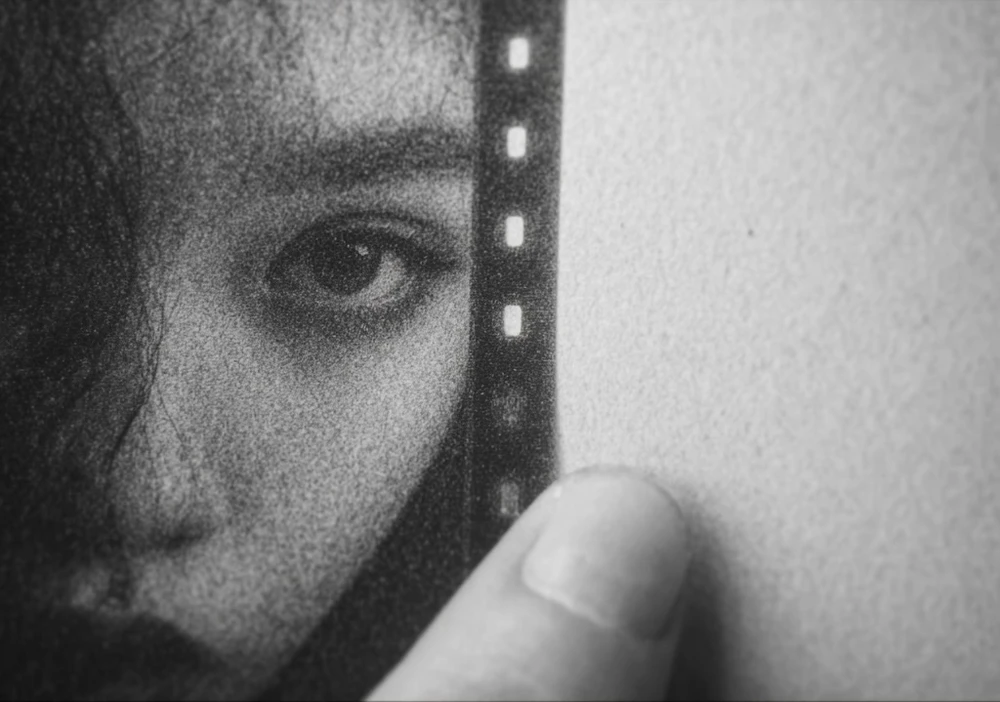
DVD 35mm film grit: Schwarz-weiße Nahaufnahme eines Auges in starker KörnungDVD 35mm Film Grit: Filmstreifen kringelt sich um eine winzige stehende FigurDVD 35mm Film Grit: Gesicht späht hinter einem Filmstreifen hervor

DVD 35mm film grit

Schwarz-weiße Nahaufnahmen mit schwerem, körnigem Grain, weichem Fokus und Filmstreifen-Motiven.

Mehr Details

Flickpedia hat keine schriftliche Beschreibung für diesen Editor's Choice-Stil, daher stammt diese Zeile von uns. (Flick-Hinweis)

Diesen Stil in Flick verwenden

Lo-fi Filmfotografie: Frau spiegelt sich in einem Spiegel mit rotem LichtleckLo-fi Filmfotografie: Wasserfall über herbstlichen Felsen mit warmem FarbleckLo-fi Filmfotografie: Person auf einer Parkbank unter einem orangefarbenen Lichtleck

Lo-fi Film Photography

The image exhibits a grainy, textured appearance characteristic of analog film, with soft focus and vibrant, often oversaturated colors.

Mehr Details

A distinct vintage aesthetic is achieved through the use of light leaks and a slightly desaturated color palette.

Diesen Stil in Flick verwenden

Vintage Filmfotografie2: Figur hinter roten Vorhängen und gestreiften JalousienVintage Filmfotografie2: Mädchen in einem roten Pullover im türkisfarbenen SchattenVintage Filmfotografie2: Frau blickt aufs Meer mit roter Linsenreflexion

Vintage Film Photography2

This style emulates the look of analog film photography, featuring a distinctive color palette, grain, and lens flare effects.

Mehr Details

The image has a candid, documentary feel with a slightly muted and nostalgic atmosphere.

Diesen Stil in Flick verwenden

Realistische Filmfotografie: Mann in einer Werkstatt aus der VogelperspektiveRealistische Filmfotografie: Blick nach oben an einer Mauer vorbei zu sonnenbeschienenen BäumenRealistische Filmfotografie: Leere Tankstelle unter einem tiefblauen Himmel

Realistic Film Photography

This image exhibits the aesthetic qualities of traditional film photography, characterized by natural lighting, a visible grain texture, and a slightly muted color palette.

Mehr Details

The composition conveys a sense of candid realism and a somewhat vintage feel.

Diesen Stil in Flick verwenden

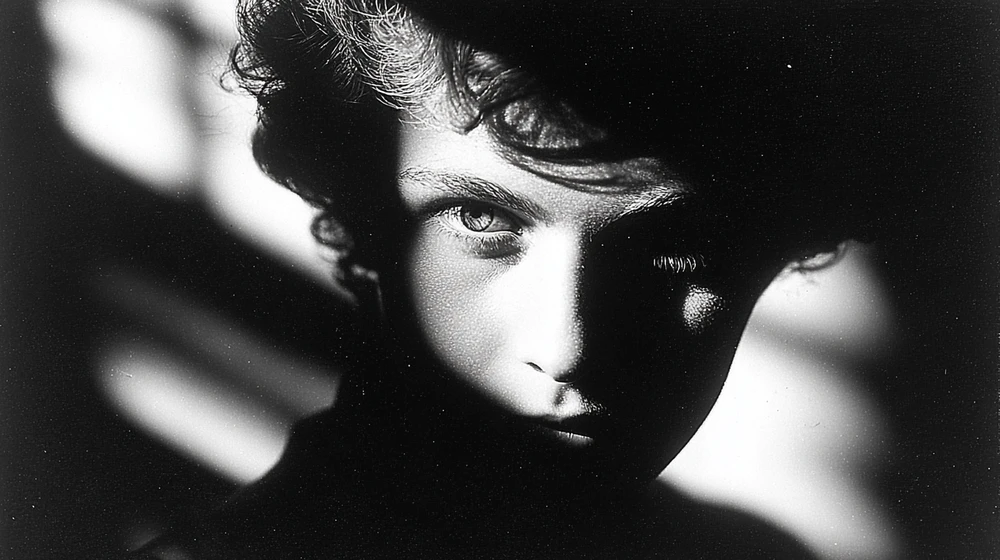
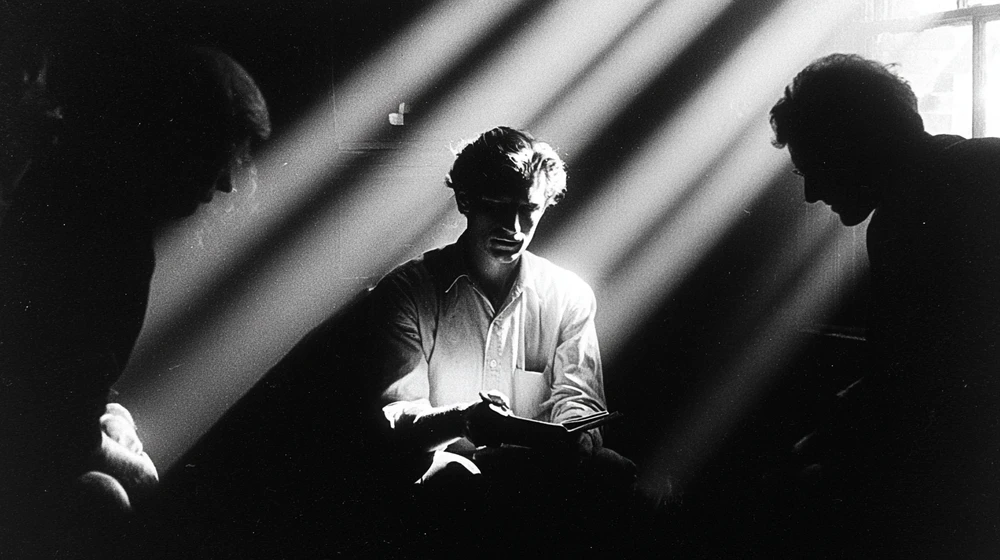
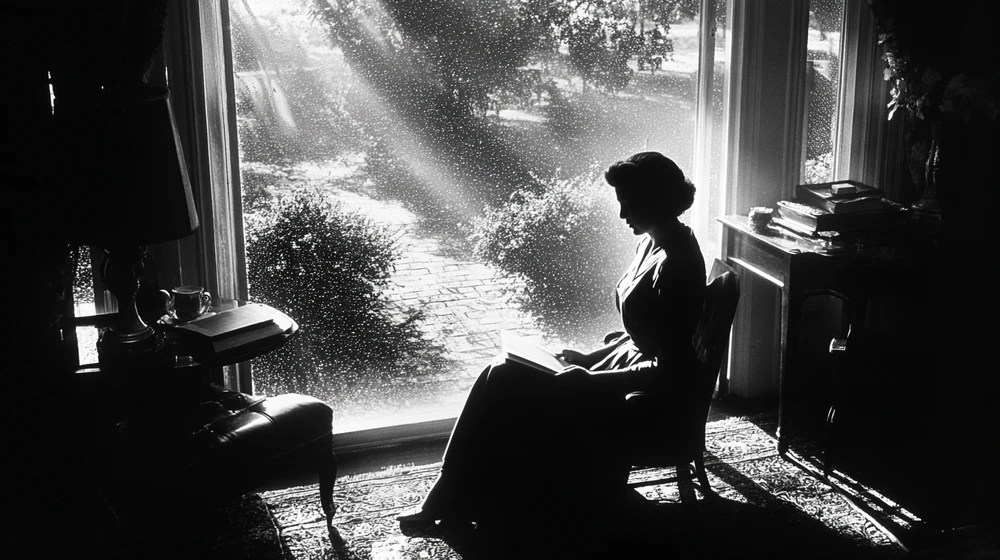
Hochkontrastiges Schwarzweiß: Gesicht durchkreuzt von hartem Streifenschatten in SchwarzweißHochkontrastiges Schwarzweiß: Mann liest in Strahlen von FensterlichtHochkontrastiges Schwarzweiß: Frau am Fenster in hellem Gegenlicht

High Contrast Black and White

This style heavily relies on dramatic lighting, creating stark contrasts between deep shadows and bright highlights.

Mehr Details

The limited grayscale palette emphasizes form and texture, often with a grainy or textured appearance characteristic of film photography.

Diesen Stil in Flick verwenden

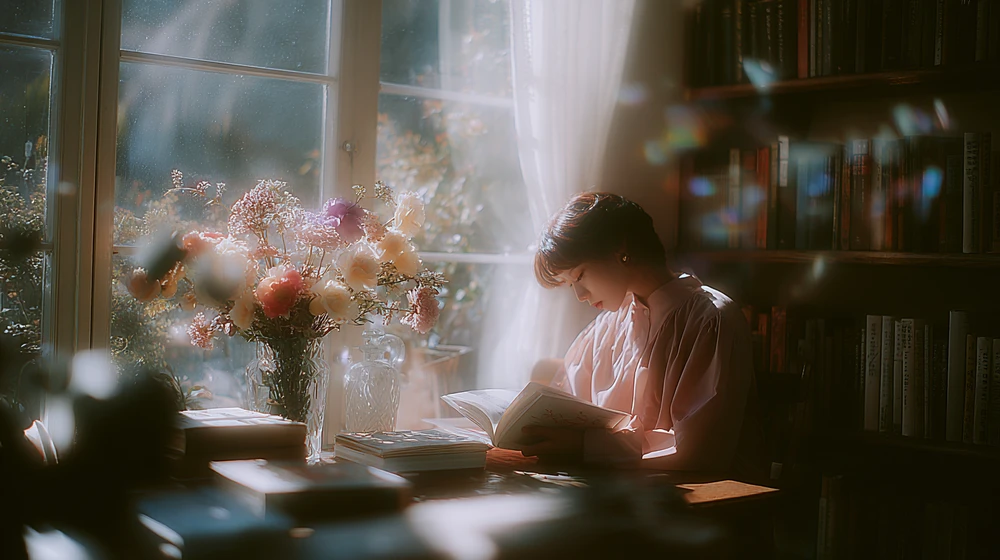
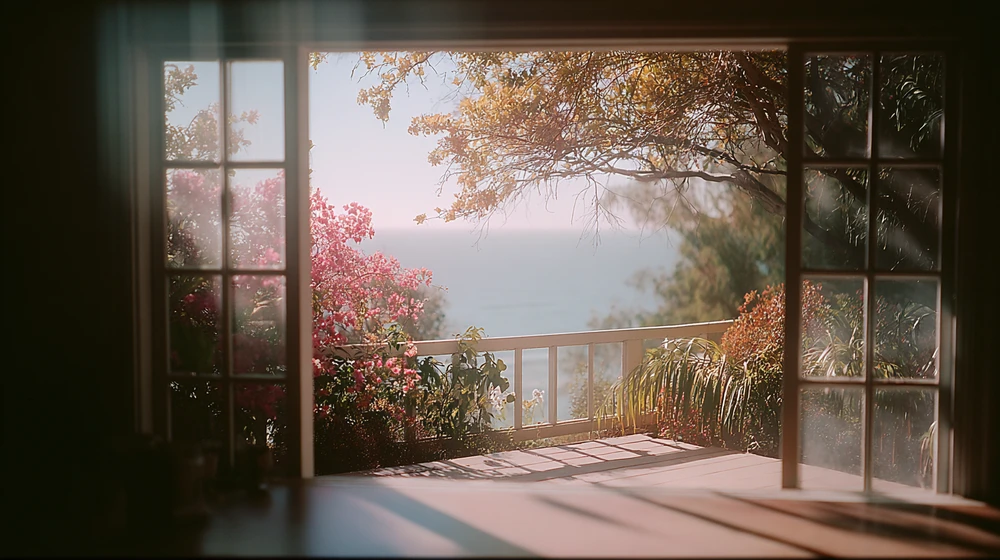
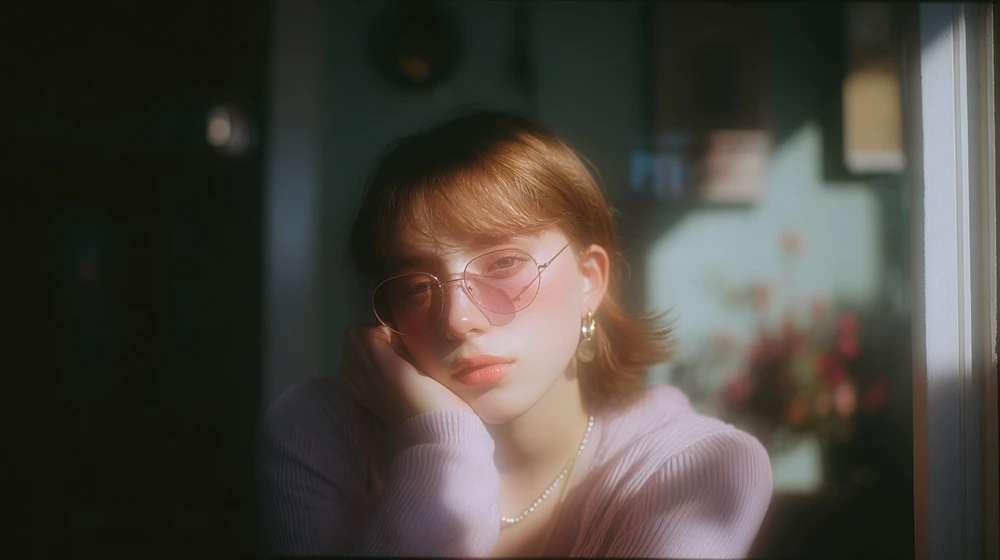
Weichgezeichnetes Filmporträt: Person am Schreibtisch bei einem Fenster mit Blumen, weichgezeichnetWeichgezeichnetes Filmporträt: Offene Türen zu einem Balkon über dem MeerWeichgezeichnetes Filmporträt: Mädchen mit Brille in sanftem rotem Licht

Soft Focus Film Portrait

This style features a soft, diffused focus that creates a dreamy and ethereal effect, characteristic of analog film photography.

Mehr Details

Warm lighting and subtle color grading contribute to an intimate and nostalgic mood.

Diesen Stil in Flick verwenden

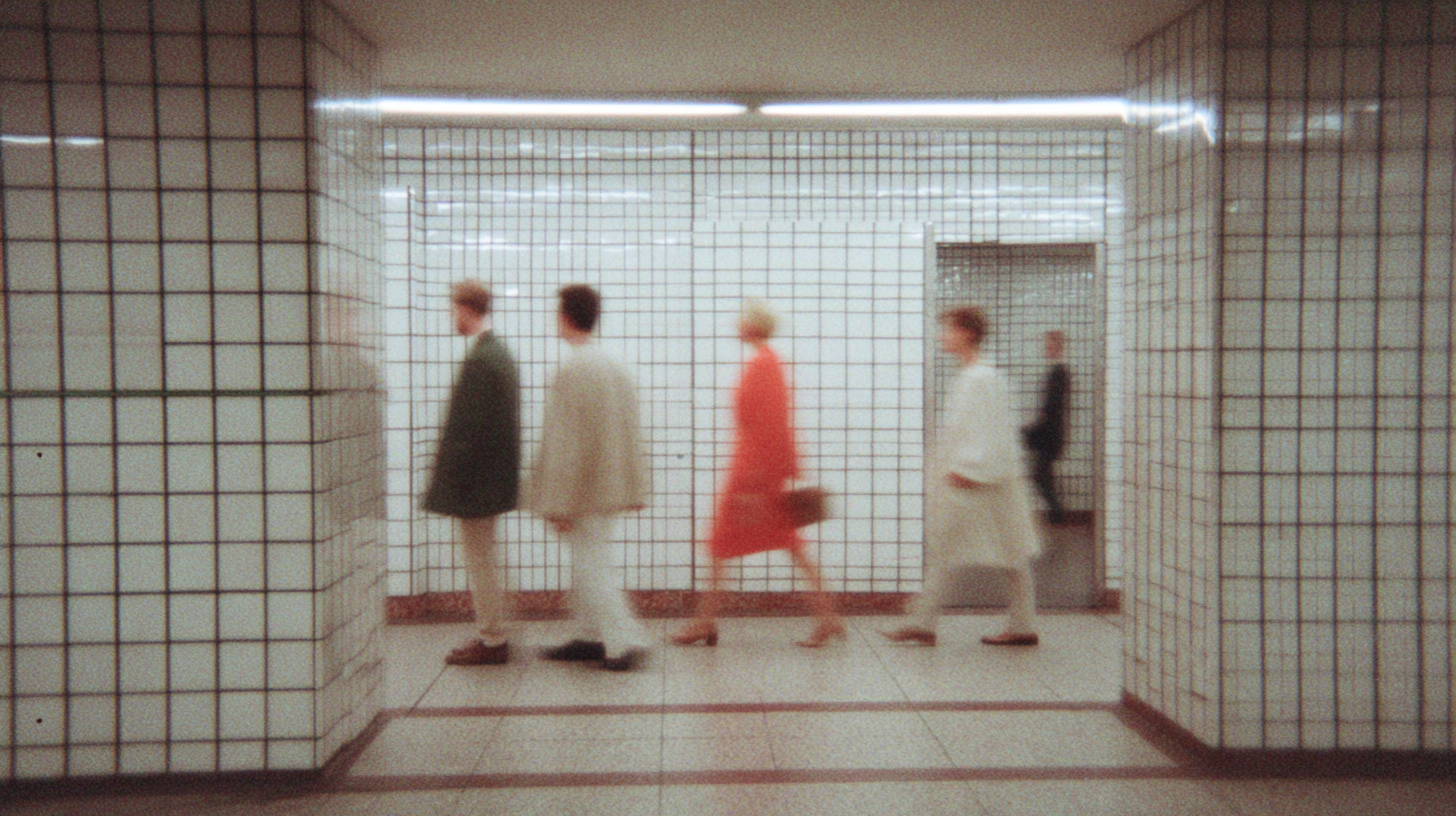
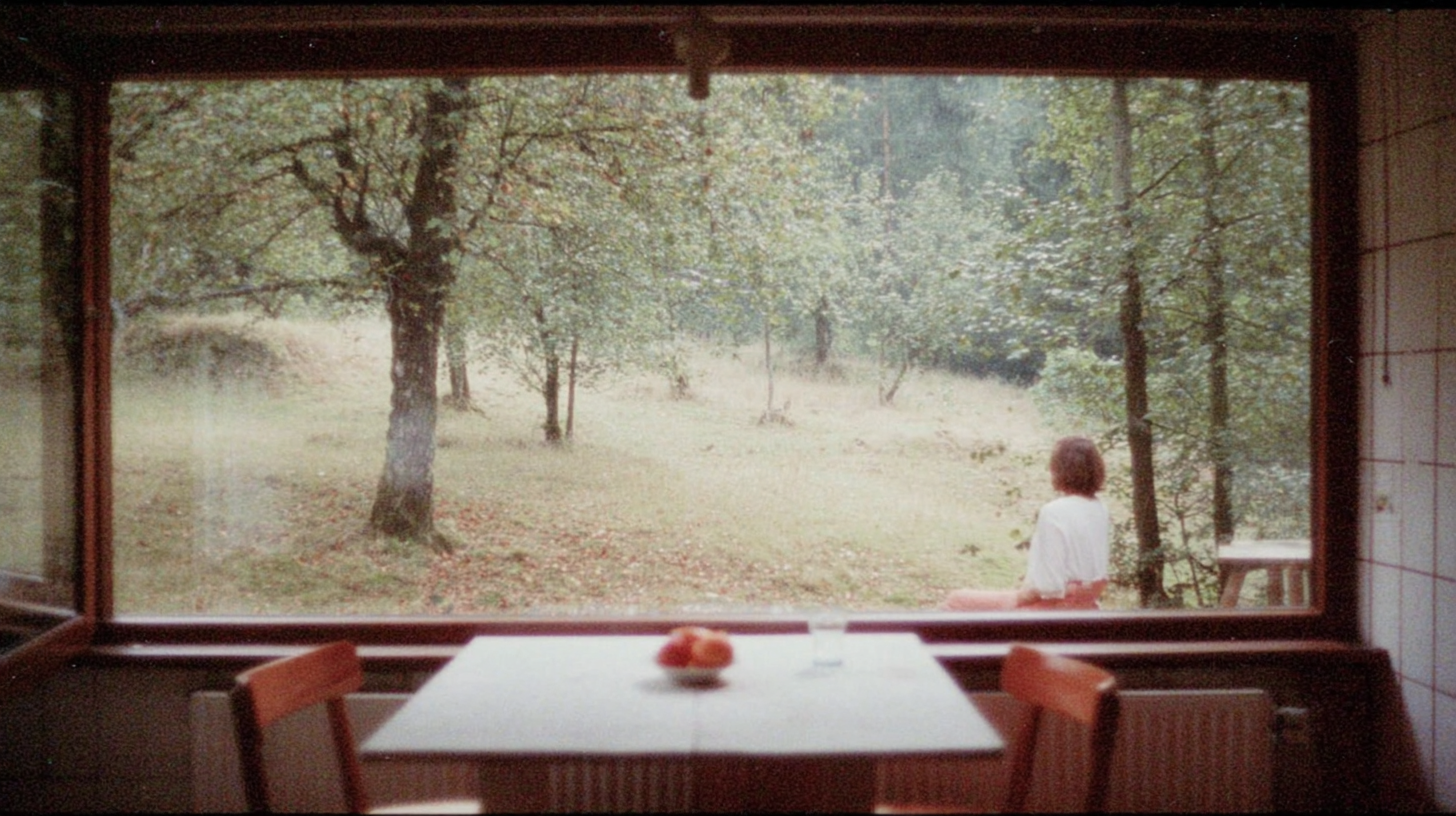
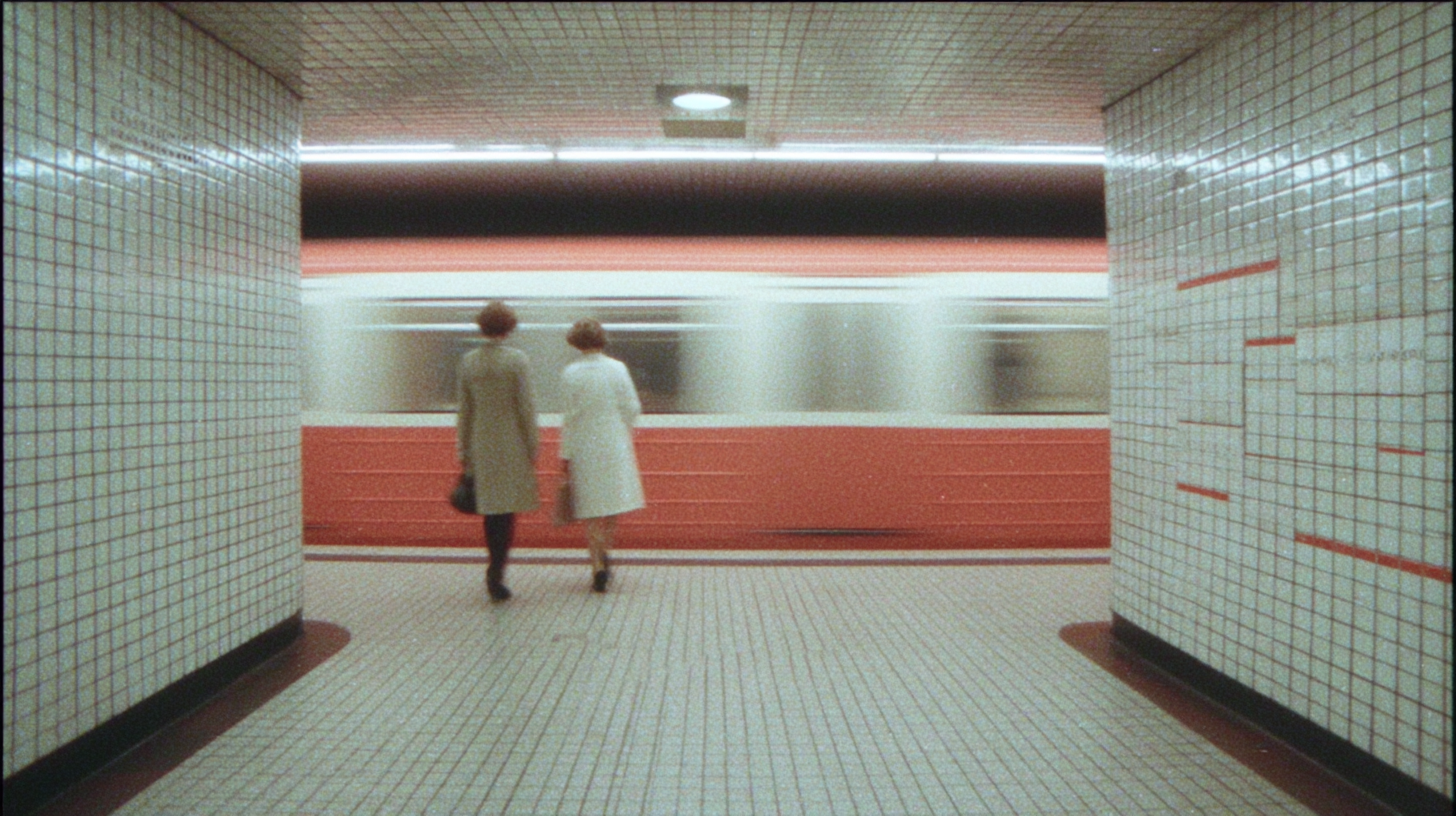
Filmfotografie: Menschen gehen durch einen weiß gekachelten KorridorFilmfotografie: Fenster zu einem nebligen Obstgarten mit einem TischFilmfotografie: Zug fährt an einem gekachelten Bahnsteig vorbei

Film photography

Weiches Tageslicht, saubere gekachelte Innenräume und sanft verblasste Farben der 1970er, mit einer ruhigen, beobachtenden Bildkomposition.

Mehr Details

Flickpedia hat keine schriftliche Beschreibung für diesen Editor's Choice-Stil, daher stammt diese Zeile von uns. (Flick-Hinweis)

Diesen Stil in Flick verwenden

Welche Prompt-Wörter erzeugen einen Film-Look?

Filmkorn ist der am häufigsten verwendete Begriff für den Filmlook, in 27 von 65 Flick-Filmen angefragt.
Wie oft jeder Filmlook-Begriff in 9.589 Prompts aus 65 Flick-Filmen erscheint
BegriffFilme (von 65)Prompts (von 9.589)
film grain272,399
shallow depth of field201,352
35mm14551
chromatic aberration121,340
analog9150
lens softness81,999
halation8434
anamorphic876
24fps oder 24 fps649
Kodak (Filmmaterialnamen)412
light leak316
16mm216
180 degree shutter27
gate weave118
bleach bypass111
Wie wir gezählt haben

Ganzes Wort, Groß-/Kleinschreibung ignoriert, über alle 9.589 Prompts aus den 65 Team- und Residency-Filmen mit öffentlichen Canvases. Sortiert nach Filmen, damit die Gewohnheit eines einzelnen Filmemachers nicht die Liste anführen kann. 35mm erfasst auch Objektiv-Brennweiten.

Objektivweichheit hat viele Prompts, aber wenige Filme: 1.755 der 1.999 Prompts stammen aus einem Rezept in Jaime Yaos Filmen.

Weitere Beispiele für den 35-mm-Film-Look aus Flick-Filmen

12 weitere Aufnahmen, nach Elementen gruppiert, jeweils mit dem Prompt, der sie erzeugt hat, und dem Film, aus dem sie stammen.
Schwarz-Weiß-Park mit einer kolossalen jungen Frau, die ihre Knie umarmt, über winzigen Besuchern, feines Korn

Korn: feines 35mm-Korn in Schwarz-Weiß

Das Korn wird mit seinem Format benannt, feines 35mm, neben dem fotografischen Genre, zu dem es gehört.

Black and white documentary photograph of a colossal giant young woman sitting in a vast open grassy park field, she sits with her knees pulled up to her chest and her arms wrapped around her shins, resting her head down on her knees, enormous in scale like a mountain dwarfing the landscape, tiny ordinary people scattered across the meadow lying on the grass and cycling and picnicking utterly dwarfed beside her giant form, distant tree line and pale open sky, dramatic surreal scale contrast between the giant figure and the minuscule park visitors, bright natural summer daylight, high contrast monochrome, fine 35mm film grain, candid street photography aesthetic, wide establishing shot, natural realistic lighting and shadows, 3:2 aspect ratio

deep analog film grain, printed and scanned. no film specks, just depth of texture
La fille dans le parc, Regie: Hannah L.
Bedeutung:Eine riesige junge Frau sitzt zusammengekauert in einem Park, winzige Menschen liegen und radeln neben ihr, schwarzweiss dokumentarisch mit starkem Kontrast.
Grainy black and white clip of a giant woman lying down in a park as people step aside
Erster Frame: Grainy black and white clip of a giant woman lying down in a park as people step aside
Erster Frame
00:15

Korn: zweimal geschrieben, damit es stillhält

Das Korn wird zweimal geschrieben: einmal als Textur, einmal als fixiertes Overlay, damit es nicht mit der Bewegung schwimmt.

analog film grain texture. camera locked. she comfortably lays down to take a nap. as she gets to the ground, the people below her exchange gasps and surprise and move out of her way. no one should walk in in the foreground


A static fixed film grain overlay sits on top of the entire frame, moving like a natural vintage static. The grain is staticy the entire clip. Camera locked, no camera movement. the entire scene should be a vintage analog look, an archived film
La fille dans le parc, Regie: Hannah L.
Bedeutung:Eine Frau legt sich zum Schlafen hin während Leute unter ihr überrascht ausweichen, statische Kamera mit analogem Filmkorn.
Weite Wiesenaufnahme von zwei Kaninchen an einem Brunch-Tisch, verblasste analoge Farbe und Korn

Korn: eine Layout-Bearbeitung, die den Look bewahrt

Dieses Lieblingsbild ist eine Layout-Bearbeitung: Der Prompt setzt die beiden Kaninchen an einen Brunch-Tisch und bittet darum, die weite Einstellung und den analogen Filmkorn-Look beizubehalten.

instead of them standing, how about theyre sitting at a table having brunch. keep the wide shot and analog film grain look
Bunnies Brunch, Regie: Hannah L.
Bedeutung:Sie sitzen am Tisch beim Brunch, weite Einstellung mit analoger Filmkörnung bleibt erhalten.
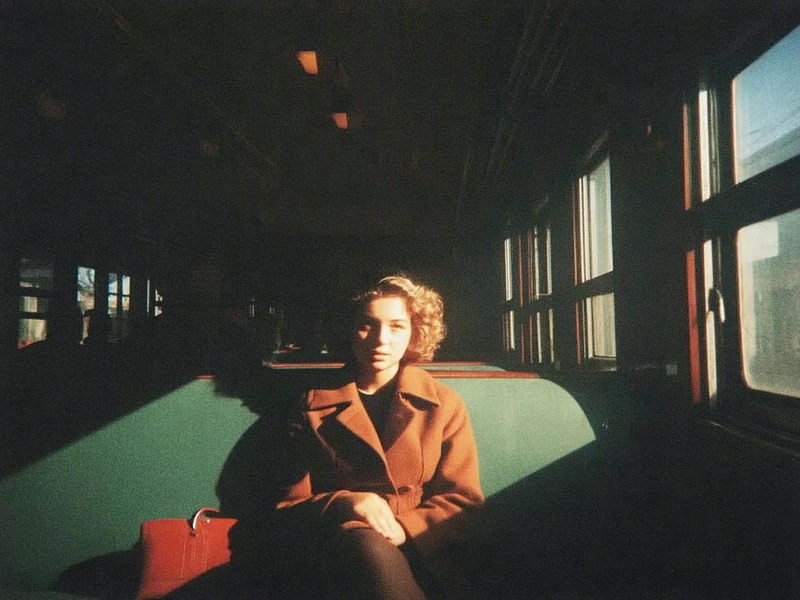
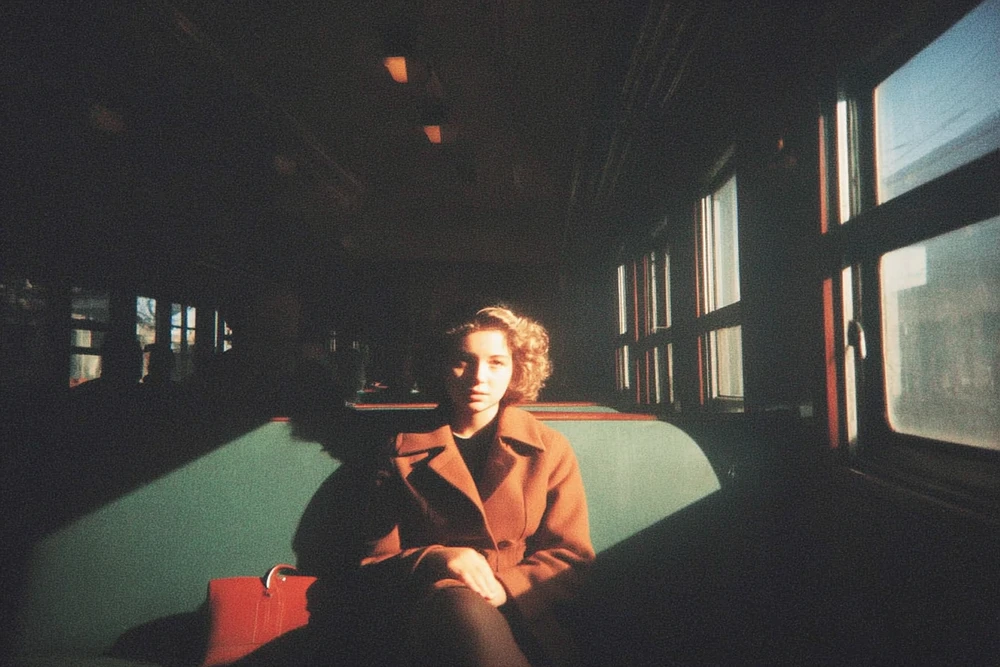
Woman in a rust coat on a train in warm window light, simulated film grain
Erster Frame: Woman in a rust coat on a train in warm window light, simulated film grain
Erster Frame
00:05

Korn: das Korn des Startbildes lebendig halten

Das Startbild hatte bereits Korn, daher bittet der Prompt das Modell nur, es in Bewegung zu halten.

A woman cries in sorrow, then wipes away her tears with her hand. Outside the window, the scenery flows by, while the carriage sways gently. The simulated film grain remains, subtly shifting.
Girl on the Train, Regie: Zoey Zhang
Bedeutung:Eine weinende Frau wischt Tränen ab während draußen Landschaft vorbeizieht und der Waggon schaukelt, analoges Filmkorn sichtbar.
Boxer standing in a spotlight on an opera stage as the audience applauds, film grain
Erster Frame: Boxer standing in a spotlight on an opera stage as the audience applauds, film grain
Erster Frame
00:05

Halation: ein Spotlight auf Archivfilm

Eine fixierte Kamera und ein helles Licht auf dem Boxer: das harte Licht, das Halation braucht.

roaring applause from the audience and stand ovation. he stands there in victory, tired and heavy breathing, the bright light shining on him. camera locked. analog film grain texture.

A static fixed film grain overlay sits on top of the entire frame, moving like a natural vintage static. The grain is staticy the entire clip. the entire scene should be a vintage analog look, an old archived film
Boxing at the Opera, Regie: Hannah L.
Bedeutung:Ein erschöpfter Mann steht siegreich im hellen Licht vor applaudierendem stehendem Publikum, statische Kamera mit analogem Filmkorn-Archivlook.
Handheld shot from behind two people in a car, warm halation and bloom on the windshield00:15

Halation: eine Stil-Zeile für einen ganzen Film

338 der 420 Video-Prompts in Xenogenesis tragen dieselbe Stil-Zeile, wodurch ein Film von fast 18 Minuten einen einheitlichen Look behält.

Use @Avery Voice as what Avery's voice sounds like. use @Cole's Voice as what Cole's voice sounds like. use @EXT. Cole House as the background through the windows of the car. Use @Avery Character Profile (2) as the visual reference for Avery.
Use @Cole 20% (1) as the visual reference for Cole.
use @Cole 20% Bump Flat on as the bump on cole's back.
Use @REGRADE Avery Car interior as the visual reference for the car interior. Blocking: Cole and Avery are sitting in the car interior. cole in the left passenger seat and Avery in the right seat. Avery is driving and Cole's head is dipped down as if very ashamed of himself. we can see the bump on cole's back which looks exactly like @Cole 20% Bump Flat on. Action: handheld close-up two shot of Avery and Cole, filmed from behind the seats catching the back of their heads. Avery on the right, Cole on the left. cole's eyes look 100% like @Cole Eyes. Between and beyond them, the windshield shows the landscape rushing past as the car drives forward. Avery is looking ahead through the windshield, holding back some anger, glancing over to cole and getting more and more disgusted by Cole' presence. Avery makes a decision and flips the middle switch, right above the small screen in the center console, into the up position. An AI male voice from the dashboard says, "Autopilot engaged." Avery lets go of the steering wheel and the car starts driving itself. In a flash, Avery smacks Cole on the head with his left hand exactly twice. Cole is whimpering and just taking it. Holding up his arms to cover, but getting hit anyways. Inside, Cole knows he deserves this. This is a big brother beats up little brother moment.
Then Avery raises his arm up to strike a third time but stops. His arm frozen mid strike. He grits his teeth, wanting to hit Cole again, but knows deep inside that it's useless. He retracts his arm and takes a deep breath, calms down a little bit. Finally he looks at Cole with a very stern parental look, Avery says with utter disbelief, "The hell is wrong with you?"
Camera: handheld shaky close up two shot from behind.
Style: handheld shaky camera. 35mm film emulation, halation, bloom, shallow depth of field with hexagonal bokeh.
Audio: no music, no score. The smacks of cole's head getting hit. Cole's whimpers and "ows". Avery's heavy breathing.
Camera: handheld, extreme close-up from behind the seats, both faces in profile filling the sides of frame, the windshield and passing landscape visible between them. Holds long on the tender moment. No cuts.
Style: handheld, shaky camera. 35mm film emulation, halation, bloom, shallow depth of field with hexagonal bokeh.
Audio: no music, no score. The hum of the hover car and the faint rush of the landscape passing, Cole's soft sniffling,
Xenogenesis, Regie: Gertywood
Bedeutung:Avery schlägt Cole zweimal im Auto, stoppt dann und fragt ihn vorwurfsvoll, was mit ihm los sei.
Half-submerged shot of a swimmer in aqua water, faded analog film colors
Erster Frame: Half-submerged shot of a swimmer in aqua water, faded analog film colors
Erster Frame
00:15

Farbe: verblasster analoger Film, halb unter Wasser

Der Look ist zuerst als Gefühl formuliert, Bilder, die erinnert statt gesehen wirken, dann aufgeschlüsselt in Korn, Vignettierung und eine Farbverschiebung.

Duration: 15s. Aspect ratio: 16:9 (follows reference frame). No background music, no score. Ambient sound effects only — wind, water sloshing against the lens, muffled splashing beneath the surface. Camera completely static and locked-off for the entire shot — no pans, tilts, zooms, or push-ins. The lens stays half-submerged at the waterline the whole time, water pushing against the glass at the horizon split.

@image1 is the first frame. @image2 is the last frame.

Visual style: analog film simulation, images that look remembered rather than seen. Fine film grain, subtle CRT scan lines present but not dominant, slight chromatic aberration at the edges only, soft corner vignetting, gentle warm-yellow/faded-green color shift. Washed-out warm film / bleach bypass look. Palette: bright aqua
#5FC6C2, hazy sky blue
#C4D4D0, warm sand
#F2C896, bleached white
#F0E6C8, dusty coral
#E8A87C.

MOTION (0–15s):
Young Benji floats at the surface in the upper-middle of the frame, splashing and flailing, long wet blonde hair plastered across his eyes. His arms slap weakly at the water; he bobs and tips, struggling to stay up. Water sloshes against the half-submerged lens, intermittently revealing his legs kicking beneath the surface in the current. He tires and sinks lower and lower across the shot. In the final 3 seconds he loses the fight, his head drops below the surface, and he descends straight down and out through the bottom edge of the frame — until only disturbed, settling water remains. The camera never moves. Ends on empty churning ocean.
Lifeguard, Regie: Owen Doerr
Bedeutung:Ein junger Junge mit blonden Haaren kämpft im Wasser, sinkt langsam unter und verschwindet schließlich.
Arktische Küstenlinie bei Sonnenuntergang, rosafarbenes Licht auf einer Seite und schwere dunkle Wolken auf der anderen

Farbe: cinematisches Filmmaterial bei Sonnenuntergang

Dieses Bild ist ein Favorit unter Filmemachern, und die chinesische Hälfte seines Prompts lautet: filmisch, eine dokumentarfotografische Textur, ein rosa Sonnenuntergang rechts und schwere dunkle Wolken links, die Küstenlinie unregelmäßiger gestalten.

电影化表现,纪实摄影般的质感,右边是粉色夕阳,左边则是阴沉厚重的云彩。让海岸线的形状更加的随机化。gritty, earthy tones, subtle hints of deep crimson, eerie yet beautiful colors, soft, diffused light, cinematic film stock
Tusk Hunters, Regie: Alan Xiao
Bedeutung:Eine zufällige Küstenlinie unter rosa Sonnenuntergang rechts und dunklen Wolken links in erdigen dokumentarischen Filmtönen.
Überwucherte Wiese mit einem knorrigen Baum unter blassem Himmel, körnige verblasste 16mm-Textur

Farbe: Grading einer Aufnahme zur Anpassung an frühere Bilder

Frühere Bilder werden als Farbreferenzen zurückgespielt, sodass die neue Aufnahme an sie angeglichen wird.

Using images 1, 2 and 3 as texture, color and mood references (grainy faded analog film, soft halation), generate a NEW wide garden scene with no people and no animals anywhere in frame. A softly overgrown meadow of tall wild grasses fills the middle ground, deep olive green in shadow. A dense treeline and tangled hedgerows frame the background, foliage green. A gnarled old tree leans in from one edge, bare limbs against a pale desaturated sky. Scattered tiny wildflowers dot the grass in scarlet, cream and white. Match the grainy 16mm film texture, faded analog color, deep quiet shadows, and dreamlike vintage stillness of the reference images.
Bunnies Brunch, Regie: Hannah L.
Bedeutung:Eine verwilderte Wiese mit hohem Gras, Baumreihen und Hecken im Hintergrund, vereinzelte Wildblumen, korniger verblasster Analogfilm ohne Menschen oder Tiere.
Nächtlicher Rangierbahnhof mit einem Scheinwerfer, der über Güterwagen streicht, und Figuren, die an einem Zaun kauern

Weichheit und Objektiv: ein stimmungsvoller Nacht-Stil

Erstellt mit einem Flickpedia-Stil für stimmungsvolle Nachtaufnahmen.

Stil: Moody Cinematic Photography2

# S1: Rail Yard — Establish

Wide night shot of the Asheville rail yard. A chain link fence in the foreground, beyond it rows of dead freight cars stretching into darkness. Four young punks crouch low in the tall weeds near the fence, barely lit. A security truck spotlight rakes across the distant boxcars, a hard cone of light sweeping the metal. Cold blue moonlight, deep shadows, sodium vapor lamp glow far off. Tense, still, cinematic wide shot, 35mm film grain.
Catch Out, Regie: Dr. Dreams
Bedeutung:Vier junge Punks kauern nachts im Unkraut vor einem Güterbahnhof während ein Suchscheinwerfer über die Waggons streicht, düster und körnig.
Dämmriger japanischer Raum mit einer hölzernen Trainingspuppe in einem Sonnenstrahl, weiches Objektiv und Korn

Weichheit und Objektiv: subtiles Korn, leichte Weichheit

Ein Hausrezept: Filmkorn plus Sensorrauschen erscheint in 1.669 Prompts über sechs Flick-Filme hinweg, die meisten davon von Jaime Yao.

Live-action cinematic still frame.

Interior of a traditional Japanese room, very dim overall, with most of the room in soft shadow. The space is a washitsu-style Japanese interior with tatami mats, wooden beams and posts, shoji paper screens, muted plaster walls, and a simple, quiet, minimal atmosphere. The room feels calm, empty, and slightly austere.

A large sliding door is open, and strong warm sunlight pours in from outside, creating a bright rectangular patch of light on the tatami floor and long streaks of sunlight extending into the darkness of the room. The contrast between the bright exterior light and the dark interior is strong. Fine dust particles are visible floating in the sunbeam.

Inside the room stands a traditional Chinese wooden martial arts training dummy (Muk Yan Jong / wooden dummy). It is clearly not a human mannequin, but a wooden practice post used for kung fu training. The dummy has a dark wooden cylindrical trunk, three short wooden striking arms protruding from the upper-middle section, and one lower angled wooden leg projecting forward. It is mounted upright on a simple support structure. The wood surface is worn smooth in places from repeated use, with visible grain, dents, and age.

The wooden dummy stands inside the dim room near the light path, partially illuminated by the sunlight coming through the open door. Parts of the dummy catch warm highlights, while the rest falls into shadow. The tatami texture, wood grain, and soft paper surfaces of the room remain visible but subdued in the low light.

No people. No extra furniture clutter. Keep the composition focused on the dark Japanese room, the open doorway with sunlight streaming in, and the wooden martial arts dummy as the key object.

Real photographic texture, realistic lighting, natural shadow falloff, subtle film grain, slight lens softness, realistic material detail, and authentic live-action cinematic atmosphere.
The duel, Regie: Jaime Yao
Bedeutung:Ein traditioneller chinesischer Holz-Trainingsdummy steht in einem dunklen japanischen Raum, teilweise beleuchtet vom warmen Sonnenlicht durch die offene Tür.
Endless rows of desert houses in dusty red-orange haze, slow locked-off shot
Erster Frame: Endless rows of desert houses in dusty red-orange haze, slow locked-off shot
Erster Frame
00:05

Bewegung und Bildrate: dasselbe Grading in einer Erweiterung

Dieser Erweiterungs-Prompt setzt die Drop of Water-Aufnahme von ihrem letzten Bild fort und verlangt dieselbe Kamera, dasselbe Farbgrading und Filmkorn, damit die längere Aufnahme einen einheitlichen Look behält.

Continue this clip seamlessly from the last frame. Maintain the exact same locked-off or slow camera movement, the desolate landscape, the dusty red-orange atmosphere, same lighting direction, same color grade and film grain. The expanse stretches on in complete silence and stillness. No new elements enter the frame. No people, animals, or vehicles. Just the vast empty world breathing slowly for 5 more seconds. The emptiness is the point — let it linger.
Drop of Water, Regie: Karan Archana
Bedeutung:Eine verlassene Landschaft mit staubiger rotorangener Atmosphäre verharrt in völliger Stille und Leere ohne neue Elemente oder Bewegung.

Film-Look FAQ

Was ist der 35mm-Film-Look?

Die Merkmale von Filmen, die auf 35mm-Film gedreht wurden: bewegendes Korn, Halation um Lichter, Filmstock-Farbe, sanfte Objektivweichheit und 24fps-Bewegung. Es wirkt wie Film, wenn mehrere zusammen erscheinen, nicht durch einen einzelnen Effekt.

Wie füge ich Filmkorn zu einem KI-Video hinzu?

Schreiben Sie es in den Video-Prompt, selbst wenn das Startbild Korn hat, und bitten Sie darum, dass es stabil bleibt. Für exakte Kontrolle über die Korngröße generieren Sie sauber und fügen ein Overlay in Ihrem Editor hinzu.

Was ist der Unterschied zwischen Filmkorn und digitalem Rauschen?

Filmkorn ist Teil des Bildes und verändert sich in jedem Bild, am stärksten in den Mitteltönen. Digitales Rauschen ist feiner, regelmäßigeres Sensor-Speckle. Viele Flick-Prompts fragen nach beidem, leicht: subtiles Filmkorn, leichtes Sensorrauschen.

Was ist Halation beim Film?

Ein rot-oranger Schein um helle Lichter. Licht reflektiert von der Filmbasis und belichtet die rote Schicht erneut. In Flick bitten Sie um sanfte Halation und platzieren eine harte Lichtquelle im Bild.

Welche Bildrate sieht aus wie Film?

24 Bilder pro Sekunde mit einem 180-Grad-Shutter, sodass jedes Bild 1/48 Sekunde lang belichtet wird. In einem Video-Prompt schreiben Sie 24fps und 180 degree shutter motion blur.

Was ist der Unterschied zwischen 16mm- und 35mm-Film-Looks?

16mm-Bilder sind kleiner, also werden sie stärker vergrößert: Korn wirkt größer und Details weicher. 35mm liefert feineres Korn und ein saubereres Bild. In einem KI-Prompt nennen Sie das Format mit dem Korn, wie grainy 16mm texture oder fine 35mm film grain.

Kann ich den Film-Look ohne einen Flickpedia-Stil erreichen?

Ja. Prompt-Wörter allein können ihn vermitteln: KI-Kurzfilme, die in Flick erstellt wurden, wie Boxing at the Opera, Lifeguard und The Miracle, verwendeten überhaupt keinen Stil. Ein Stil hilft am meisten bei Objektiv- und Farbcharakter, der schwer zu beschreiben ist, und hält ihn über Aufnahmen hinweg gleich.

Kann ich einen 35mm-Film-Look mit KI kostenlos erstellen?

Sie können kostenlos beginnen. Flick gibt Ihnen 100 Credits bei der Anmeldung und 200 weitere für den Beitritt zum Flick Discord. Bildgenerierung mit einem Flickpedia-Stil, einschließlich GPT Image 2 und Nano Banana Pro, ist im Free-Plan verfügbar. Die meisten Video-Modelle, wie Seedance, Kling und Happy Horse, benötigen einen kostenpflichtigen Plan.

Mehr über kinematografische KI-Videos in Flick

Filme in diesem Leitfaden

Jede Aufnahme auf dieser Seite stammt aus einem öffentlichen Flick-Film-Canvas und ist dem jeweiligen Filmemacher zugeordnet. Stilbeschreibungen stammen aus der Flickpedia, sofern nicht als Flick-Notiz gekennzeichnet.

Drehe deine nächste Szene auf 35mm – in Flick

Wähle einen Filmstil, füge deine Look-Zeile ein und behalte sie für jede Aufnahme bei. Bildgenerierung mit einem Flickpedia-Stil ist kostenlos zum Einstieg.

Probiere den Film-Look in Flick aus

Kostenlos testen, keine Kreditkarte erforderlich.

KI zu dieser Seite fragen:ChatGPTPerplexityClaude