Hinter „Churchills Mum"
Sep 2026
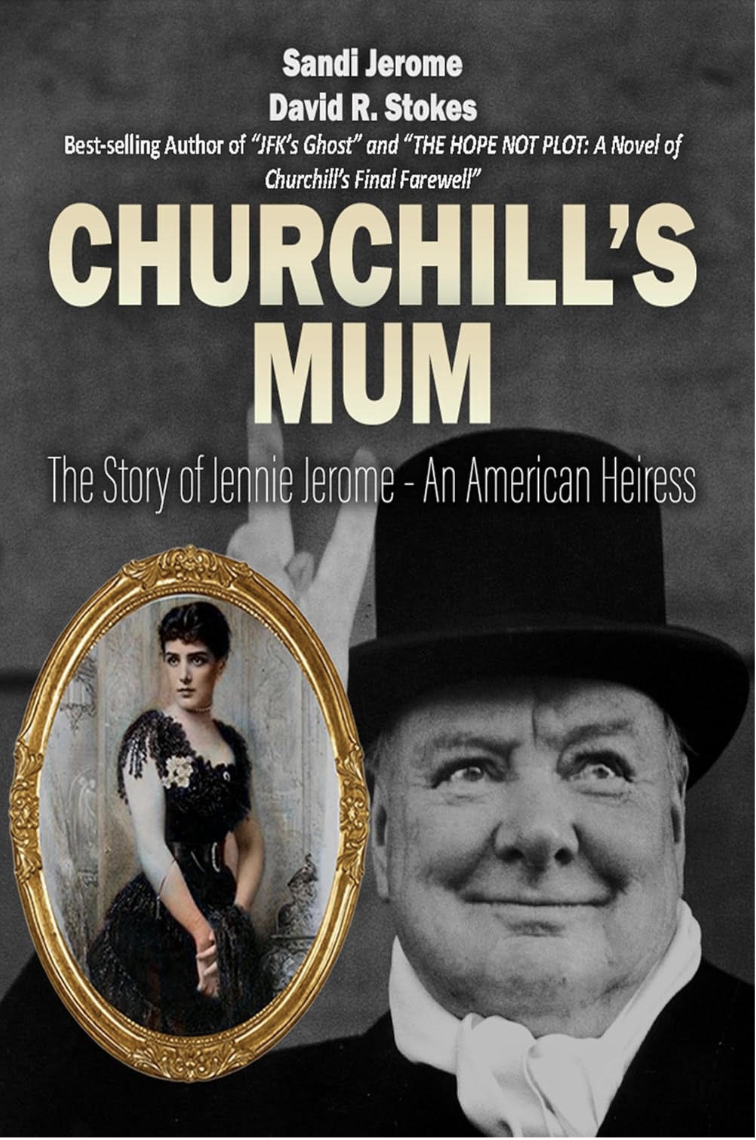
Ich nutze Flick, um mein Bestseller-Buch Churchill's Mum: The Story of Jennie Jerome in eine Miniserie zu verwandeln. Die Geschichte folgt Jennie Jerome, der feurigen amerikanischen Erbin, die viktorianischen Erwartungen eine Nase drehte und ihren Sohn Winston Churchill im Glauben erzog, dass Mut bei echter Führung weitaus mehr zählt als Abstammung – genau das, was der Mann brauchte, der sich Hitler entgegenstellte. Lustigerweise begann dieses ganze Projekt, weil ich in unserem Familienstammbaum gegraben habe und herausfand, dass mein Mann Winston Churchills Cousin fünften Grades ist. Diese kleine Entdeckung schickte mich jahrelang in ein Kaninchenloch, in dem ich zusammen mit Churchill-Experte David R. Stokes aus öffentlich zugänglichen Aufzeichnungen und Jennies eigenen Memoiren von 1908, The Reminiscences of Lady Randolph Churchill, schöpfte, um ihren Witz und Ehrgeiz auf der Seite und nun auf dem Bildschirm zum Leben zu erwecken.
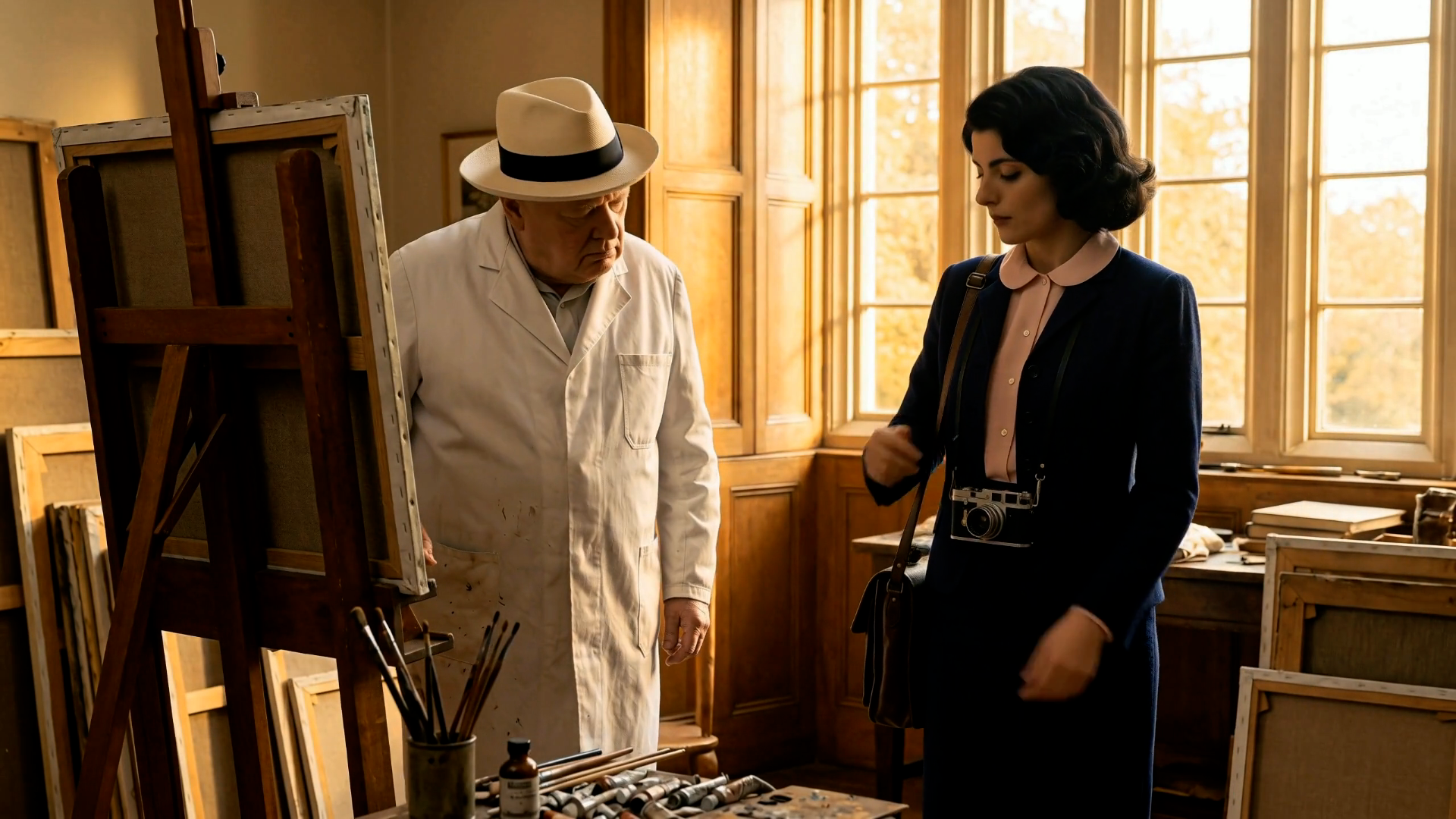
Der kniffligste Teil beim Übergang eines historischen Dramas/einer Biografie vom Buch zum Bildschirm ist es, diese narrative Tiefe und den thematischen Faden von Anfang an richtig zu zeigen. Einen Film über so ikonische Figuren zu machen bedeutet, sowohl historische Genauigkeit als auch die praktischen Aspekte der Produktion zu jonglieren. Glücklicherweise sind das wesentliche biografische Material und Jennies Memoiren gemeinfrei, und Churchills postmortale Persönlichkeitsrechtsansprüche sind inzwischen größtenteils abgelaufen, sodass ich eine reiche Grundlage hatte, um Drehbuch, Stimme und Visuals aufzubauen. Aber gutes Storytelling braucht eine leichte Hand. Ich wollte einen ruhigen, bewussten Moment in den Kurzfilm einbauen: Winston erblickt eine ungewöhnliche Schlangentätowierung bei Sophia, einer Reporterin, die ihn besucht, genau dasselbe Zeichen, das seine Mutter Jennie trug, und Sophia bedeckt es schnell wieder. Es ist ein kleiner Hinweis für den aufmerksamen Zuschauer, der die ganze Serie aufbaut, die zwischen Winstons späteren Maljahren und 1873 hin- und herspringt – und der Romanze von Jennie Jerome und Lord Randolph Churchill – Winstons Vater.
Hier wurde es knifflig. Diese echten historischen Figuren durch KI-Tools und Stock-Footage zum Leben zu erwecken, ist keine kleine Aufgabe. Reguläre Stock-Assets kommen mit Lizenzierungskopfschmerzen daher. Ich habe bereits Fotos von Pond5 für mein Buch lizenziert, aber lizenzierte Drittanbieterbilder durch generative KI-Pipelines laufen zu lassen, öffnet auf der „Rechte"-Seite eine Büchse der Pandora. Und ein Publikum, das mit alten Wochenschauen aufgewachsen ist, sind harte Kritiker. Sie werden vom ersten Bild an beurteilen, wie authentisch Winston und Jennie wirken.
Die Herausforderung bestand also darin, maßgeschneiderte, vollständig rechtlich einwandfreie Visuals und Stimmen zu erstellen, die über Zeitsprünge und verschiedene Charaktere hinweg zusammenhalten, ohne rechtliche Grauzonen. Diese Eröffnungsaufnahme von Winston musste den Ton für alles Folgende setzen und seine Gravitas vermitteln, ohne sich auf unsichere Stock-Lizenzen zu stützen. Hinzu kam, dass eine Schauspielerin in zwei Rollen erscheinen sollte – Sophia Carter im Heute von 1964 und Jennie Jerome in der Vergangenheit von 1873 – was bedeutete, dass ich sowohl bei der Stimmarbeit als auch bei den visuellen Hinweisen sorgfältig und bewusst vorgehen musste, damit diese Verbindung natürlich wirkt, anstatt den Zauber zu brechen, dass sie tatsächlich derselbe Charakter sind.
Meine Lösung bestand darin, meine eigenen Charakter-Assets von Grund auf zu erstellen, ausgehend von verifizierten gemeinfreien Archivfotos. Anstatt mit urheberrechtlichen Überschneidungen aus lizenziertem Stock zu spekulieren, baute ich maßgeschneiderte visuelle Grundlagen für Winston, Jennie und Sophia direkt aus diesem gemeinfreien Material. Ich nutzte ein Flick-Tutorial zur Charakter-Konsistenz, um das Aussehen von Sophia von Jennie zu unterscheiden. Für die Kameraarbeit begann ich damit, einzelne Frames für die Eröffnungssequenz zusammenzufügen, wechselte aber schließlich zu Seedance-2.5, um statt einzelner Bilder einen fließenden, durchgehenden Kamera-Push in die Szene hinein zu bekommen.
Auf der Tonseite musste ich sorgfältig über Voice-Cloning nachdenken und darüber, wie die beiden Charaktere einander spiegeln würden. Ich habe die Voice-Engine, die Flick nutzt – ElevenLabs – mit echten Aufnahmen von Churchills Reden trainiert, um seine Kadenz perfekt zu treffen. Und um diese unheimliche Verbindung zwischen Sophia in der Gegenwart und Jennies Erinnerung zu betonen, habe ich beide Stimmen auf demselben gespeicherten Voice-Modell aufgebaut, obwohl Sophia ihr eigenes distinktives Profil hat, das ich in Prompts für ihre Reportageszenen erwähne. Beide in demselben zugrunde liegenden Framework zu verankern, spiegelt den visuellen Twist mit dem übereinstimmenden Tattoo wider, ohne es explizit auszusprechen.
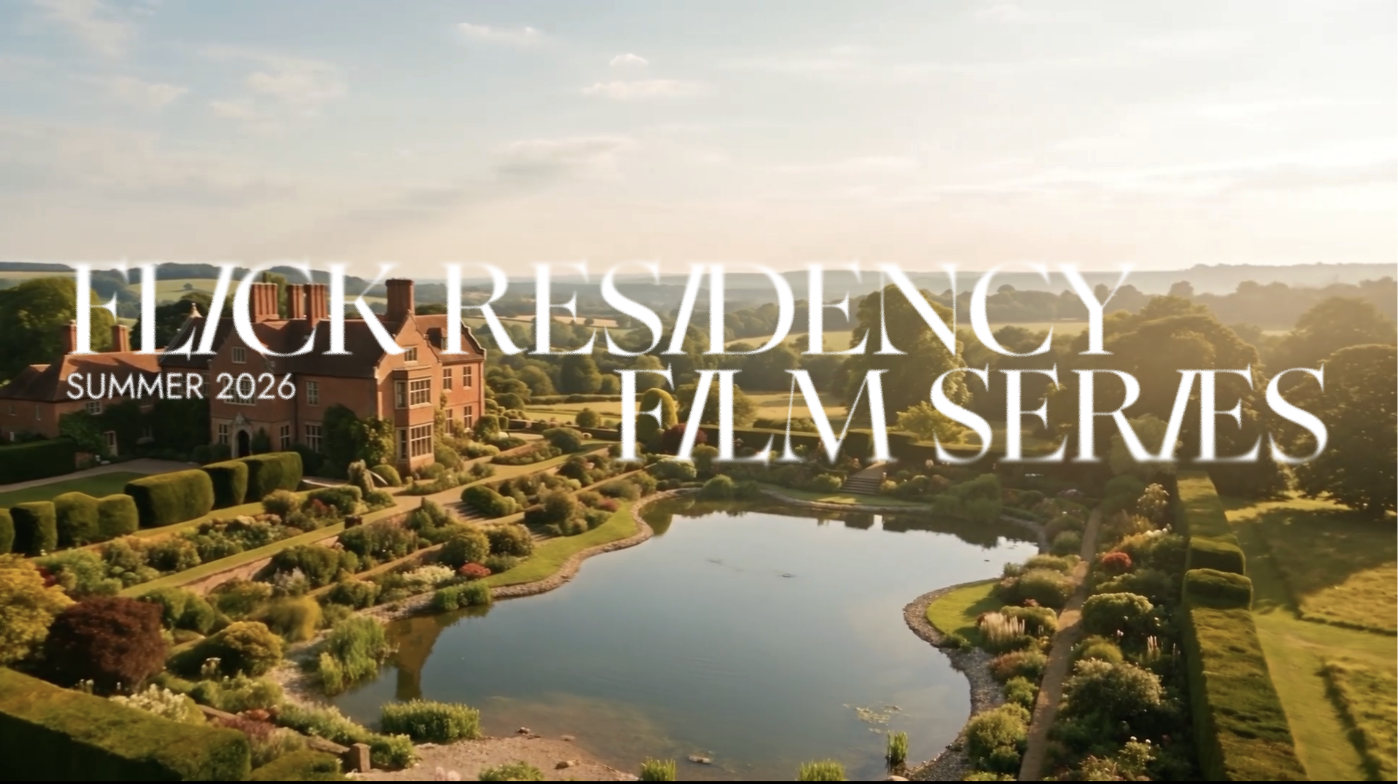
Die einleitende Establishing-Aufnahme durch Seedance 2.5 verlieh der Kamerabewegung ein bewusstes, filmisches Gefühl, anstatt etwas Abgehacktes, und ein Heranzoomen auf das Gemälde – ein weiterer Hinweis für die Handlung. Seedance 2.5 ist perfekt für diese Art von Fluss. Diese Geschmeidigkeit ist es, die funktioniert, wenn Winstons Augen für diesen Sekundenbruchteil auf Sophias Handgelenk fallen und das Tattoo erfassen, bevor sie es verdeckt. Die räumliche Beziehung zwischen ihnen bleibt die ganze Zeit über stabil, sodass die Vorahnung greift, ohne die Illusion zu brechen.
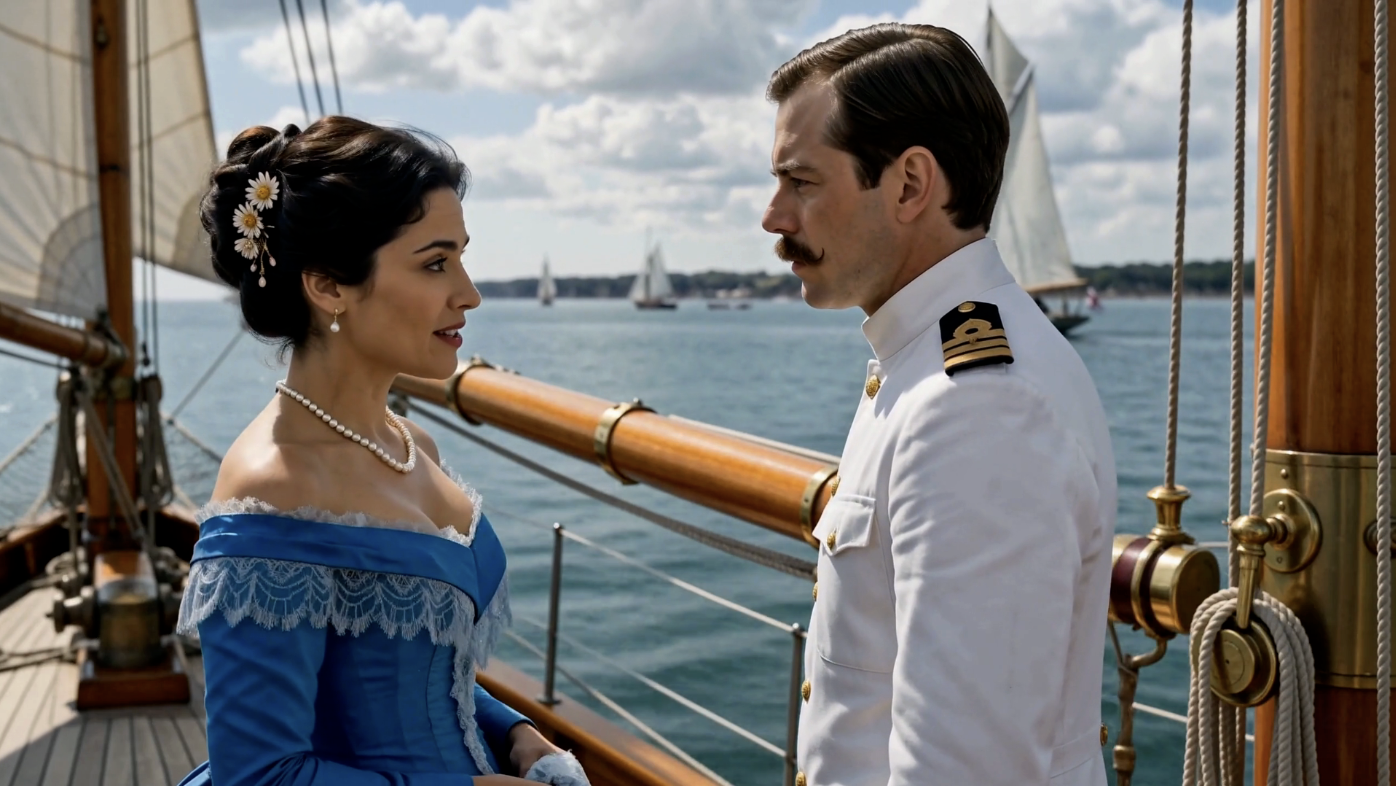
Aber das Beste für mich – ist die Romantik! Ich fand, dass MiniMax H3 hervorragende Arbeit geleistet hat, das Boot zu bewegen und die Lippensynchronisation zu machen. Ich habe den Flick-Spickzettel zum Erstellen von Prompts für diese Szene verwendet; Charakteraktion: Jennie wendet sich vom Bug zu Randolph um. Nachdem sie sich umgedreht hat, spricht sie, lippensynchron zu @Audio1. Nur Jennies Lippen bewegen sich. Bei der letzten Phrase hebt sich ihr Kinn leicht und ihr Blick schärft sich mit Interesse. Randolph bleibt stumm und bewegt seine Lippen nicht. Kamerabewegung: Fixierte Halbtotale auf Jennie. Die Kamera bleibt durchgehend völlig statisch. Umgebung & Foley: Plätscherndes Wasser, Brise im Stoff, entfernte Möwen. Audio-Beschränkung: Keine Hintergrundmusik. Keine überlappenden Dialoge.
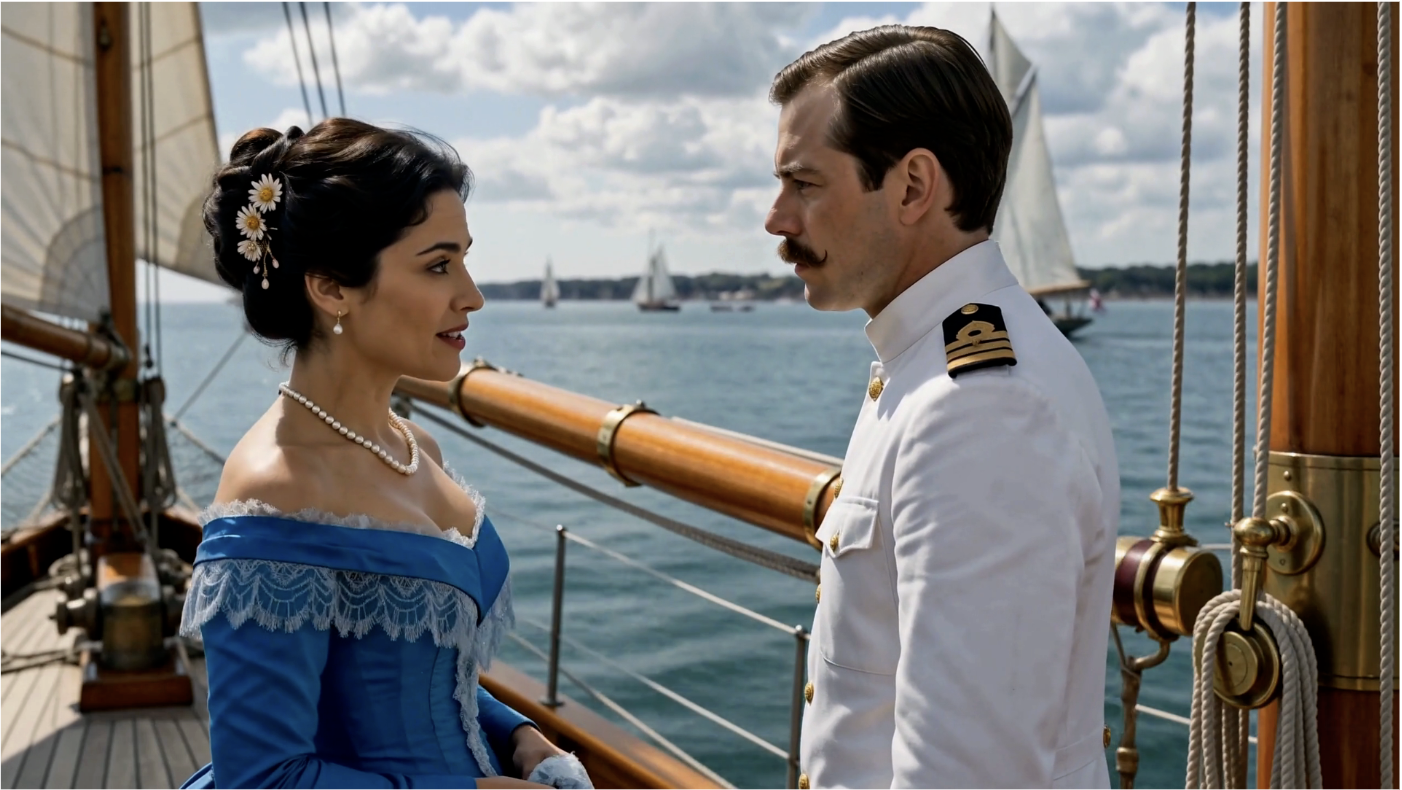
Für mich ist Churchill's Mum mehr als nur die Adaption meines Buches für die Leinwand. Es war ein echtes Experiment in unabhängiger AI-Dokudrama-Produktion, herauszufinden, wie man gemeinfreie Geschichte und heutige generative Tools nutzt, um eine reichhaltige, zusammenhängende Geschichte zu erzählen und dabei die volle kreative und rechtliche Kontrolle in den eigenen Händen zu behalten. Ich hoffe, dass dieser Einblick in den Flick-Workflow anderen Kreativen etwas Nützliches bietet, besonders wenn ihr historische Biografien adaptiert und versucht, Charakterkontinuität, Lizenzierung und diese subtilen narrativen Nuancen zu meistern.